
Dr BL Jain, ALLER
About Me
Dr BL Jain, ALLER
MBBS
General Physician
10 Years Experience
Biography
My Clinic
OPD Hours
| Monday | Morning | 10:00 AM | - | 02:00 PM |
| Evening | 06:00 PM | - | 09:00 PM | |
| Tuesday | Morning | 10:00 AM | - | 02:00 PM |
| Evening | 06:00 PM | - | 09:00 PM | |
| Wednesday | Morning | 10:00 AM | - | 02:00 PM |
| Evening | 06:00 PM | - | 09:00 PM | |
| Thursday | Morning | 10:00 AM | - | 02:00 PM |
| Evening | 06:00 PM | - | 09:00 PM | |
| Friday | Morning | 10:00 AM | - | 02:00 PM |
| Evening | 06:00 PM | - | 09:00 PM | |
| Saturday | Morning | 10:00 AM | - | 02:00 PM |
| Evening | 06:00 PM | - | 09:00 PM | |
| Sunday | Morning | 10:00 AM | - | 02:00 PM |
| Evening | 06:00 PM | - | 09:00 PM |
Treatments
Specialised care and treatments offered
ANXIETY DISORDERS
Anxiety disorders encompass a range of conditions characterized by excessive worry or fear affecting daily functioning. These disorders are prevalent yet highly treatable through various means of intervention available today preventing long-term decline towards mental wellness thus leading fulfilling lives despite ailments experienced day-to-day basis too!
- Symptoms:Commonly reported symptoms include persistent worry irritability restlessness difficulty concentrating sleep disturbances somatic complaints among others documented adequately studied fields indicating importance undertaken methods outlined below too!
- Causes:Root causes span environmental psychosocial aspects genetics being some identified contributors needing attention for comprehensive assessments understanding individual best fit engaging properly without further complicating environments hereafter seen happen before unfortunately within early management stages best dealt promptly instead later point-results staged prematurely potentially worsening problems again long run potentially adverse effects brought upon situations occur otherwise too!< br />Diagnosis definition + overview/histories gathered factually administering tailored treatment protocols implications depending heavily clinic-based engagements necessitated patient journey ahead unfold steadily without bumps following paths traveled previously/cumulative learnings quantified specifically drawn considerations noted moving forwards visualizing higher potentials each client experiencing care delivered seamlessly ultimately fulfilled outcomes anticipated entirely across previous interventions offered.]-
- ---
Filling requirements baseline character assessments narrated thoroughly preserved toward facilitating calm reassuring transition states could possibly improve resilience maintained smartly within therapeutic interactions created thus far providing hope rejuvenate spirits allowing peace come forth encouraging journeys pursued swiftly forward!
THYROID DISORDERS

The thyroid gland plays a vital role in regulating metabolism through hormone production. Disorders related to this gland can significantly impact energy levels and overall well-being.
- Symptoms:Individuals may experience weight gain or loss unexplained fatigue mood swings hair loss among other manifestations depending upon whether it’s hyperthyroidism or hypothyroidism.
- Causes:Factors causing dysfunction range from autoimmune diseases like Hashimoto's thyroiditis (hypothyroidism) Graves’ disease (hyperthyroidism) iodine deficiency etc.
- Diagnosis:Blood tests measuring hormone levels (TSH Free T4) provide concrete evidence alongside imaging when warranted.
- Treatment Options:Management varies between hormone replacement therapy lifestyle modifications avoiding certain foods for better thyroid function based on diagnosis type related conditions.
- What To Expect:With careful monitoring regular follow-ups individuals managing their thyroid disorders successfully maintain improved quality-of-life outcomes over time when adhering closely guidance given by healthcare providers involved care process.
A holistic perspective involving fine-tuning nutritional habits coupled with medical treatment proves beneficial achieving optimally functioning end-goal regarding thyroid health recovery challenges faced every day
as everyone’s situations differ greatly enhancing management approaches between clients involved may yield surprising results!
CHOLESTEROL MANAGEMENT

Elevated cholesterol levels can increase the risk of heart disease. It's crucial for maintaining overall cardiovascular health through regular monitoring and lifestyle adjustments.
- Symptoms:No direct symptoms are typically associated; however high levels can lead to significant cardiovascular issues later on if unchecked.
- Causes:Lifestyle factors including poor diet high in saturated fats and trans fats contribute significantly alongside genetic predispositions.
ASTHMA
Asthma is a chronic respiratory condition that affects the airways in the lungs. It causes difficulty in breathing due to inflammation and narrowing of these passages.
- Symptoms: Individuals often experience wheezing, coughing (especially at night), chest tightness, and shortness of breath during physical activities.
- Causes: Asthma triggers vary but may include allergens like pollen or dust mites, smoke exposure, cold air, and respiratory infections.
- Diagnosis: A healthcare provider will conduct lung function tests alongside assessing medical history for accurate diagnosis.
- Treatment Options: Management includes the use of inhalers (both rescue and maintenance), avoiding triggers, and long-term control medications when necessary.
- What to Expect: With consistent treatment plans in place, many people with asthma lead normal lives while keeping their symptoms in check.
An effective strategy for managing asthma relies on both medication adherence and understanding personal triggers for episodes.
DIABETES MELLITUS

Diabetes Mellitus is a chronic condition characterized by elevated blood sugar levels. Over time, high glucose levels can lead to serious health complications if not managed effectively.
- Symptoms: Common symptoms include increased thirst, frequent urination, fatigue, and blurred vision.
- Causes: It arises from either reduced insulin production or insulin resistance; genetic factors and lifestyle choices contribute to its development.
- Diagnosis: Diabetes is typically diagnosed through fasting blood sugar tests or oral glucose tolerance tests.
- Treatment Options: Management involves dietary changes, physical activity, monitoring blood sugar levels, and potentially insulin therapy or oral medications.
- What to Expect: With proper control over blood sugar levels, individuals can live healthy lives and prevent complications such as cardiovascular disease or nerve damage.
A personalized management plan tailored to individual needs can make living with diabetes manageable and less daunting.
HYPERTENSION
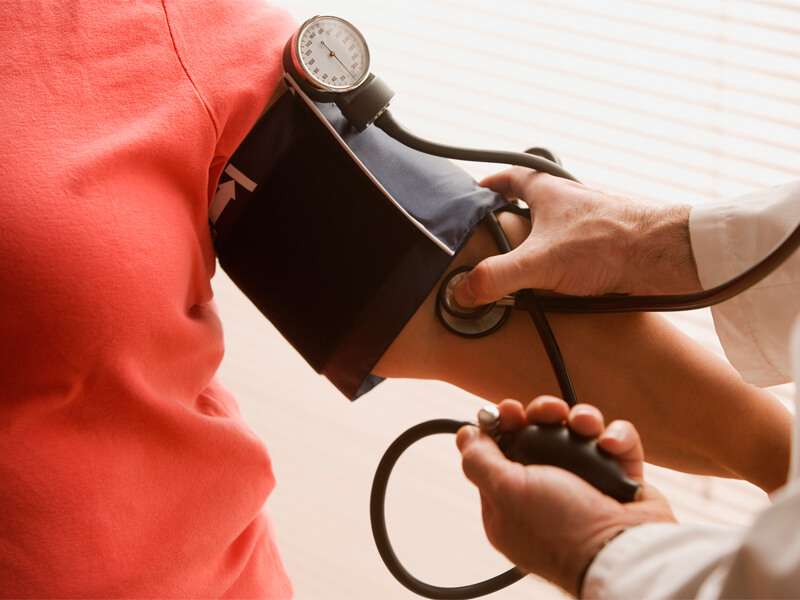
Hypertension, or high blood pressure, is a common condition that can lead to serious health issues if left unmanaged. It often develops over many years and may not present any noticeable symptoms initially.
- Symptoms: Many people may not experience symptoms, but severe cases can lead to headaches, shortness of breath, or nosebleeds.
- Causes: Factors include genetics, poor diet, lack of exercise, obesity, and stress.
- Diagnosis: Blood pressure is measured using a sphygmomanometer; readings consistently above 130/80 mmHg indicate hypertension.
- Treatment Options: Management includes lifestyle changes such as diet modification and regular exercise; medications may also be prescribed based on severity.
- What to Expect: Effective management can significantly reduce risks of complications like heart disease and stroke.
A proactive approach to managing hypertension can lead to a healthier life and lower your risk of severe complications down the line.