
Dr Brajesh Kunwar
About Me
Dr Brajesh Kunwar
Internal Medicine
Biography
My Clinic
OPD Hours
| Tuesday | Morning | 10:00 AM | - | 02:00 PM |
| Evening | 06:00 PM | - | 09:00 PM | |
| Wednesday | Morning | 10:00 AM | - | 02:00 PM |
| Evening | 06:00 PM | - | 09:00 PM | |
| Thursday | Morning | 10:00 AM | - | 02:00 PM |
| Evening | 06:00 PM | - | 09:00 PM | |
| Friday | Morning | 10:00 AM | - | 02:00 PM |
| Evening | 06:00 PM | - | 09:00 PM | |
| Saturday | Morning | 10:00 AM | - | 02:00 PM |
| Evening | 06:00 PM | - | 09:00 PM | |
| Sunday | Morning | 10:00 AM | - | 02:00 PM |
| Evening | 06:00 PM | - | 09:00 PM | |
| Thursday | Morning | 10:00 AM | - | 02:00 PM |
| Evening | 06:00 PM | - | 09:00 PM |
Treatments
Specialised care and treatments offered
ANEMIA EVALUATION
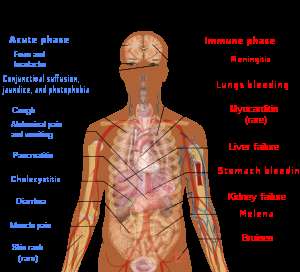
Anemia occurs when there aren't enough red blood cells in the body leading to decreased oxygen delivery to organs. Recognizing anemia’s impact on energy levels is crucial for patients experiencing fatigue or weakness frequently.
- Causes: Various factors contribute including iron deficiency due to inadequate intake or chronic illness affecting red cell production.
- Symptoms: Common symptoms encompass fatigue, pale skin coloration along with dizziness & shortness of breath upon exertion.
- Diagnosis: Blood tests measuring hemoglobin levels alongside complete blood counts support diagnosis effectively.
- Management Options: Treatment options may consist largely of dietary changes supplemented with iron-rich foods alongside possible supplementation depending on severity assessed per individual needs within clinical settings.
LIPID DISORDERS
Lipid disorders refer to abnormalities in cholesterol or fat levels in the bloodstream which can predispose individuals to cardiovascular diseases. Identifying these disorders early is essential for effective intervention.
- Causes: Factors include genetic predisposition as well as lifestyle choices such as poor diet or lack of exercise.
- Symptoms: Often asymptomatic until serious complications arise; routine screening is recommended for early detection.
- Diagnosis: Lipid profiles measuring total cholesterol levels alongside HDL (good) & LDL (bad) cholesterol often establish diagnosis.
- Management Options: Involves lifestyle interventions including diet modification complemented by statin medications when necessary.
Understanding lipid levels through regular checks allows individuals to mitigate cardiovascular risks efficiently while improving overall wellness.
CHRONIC KIDNEY DISEASE
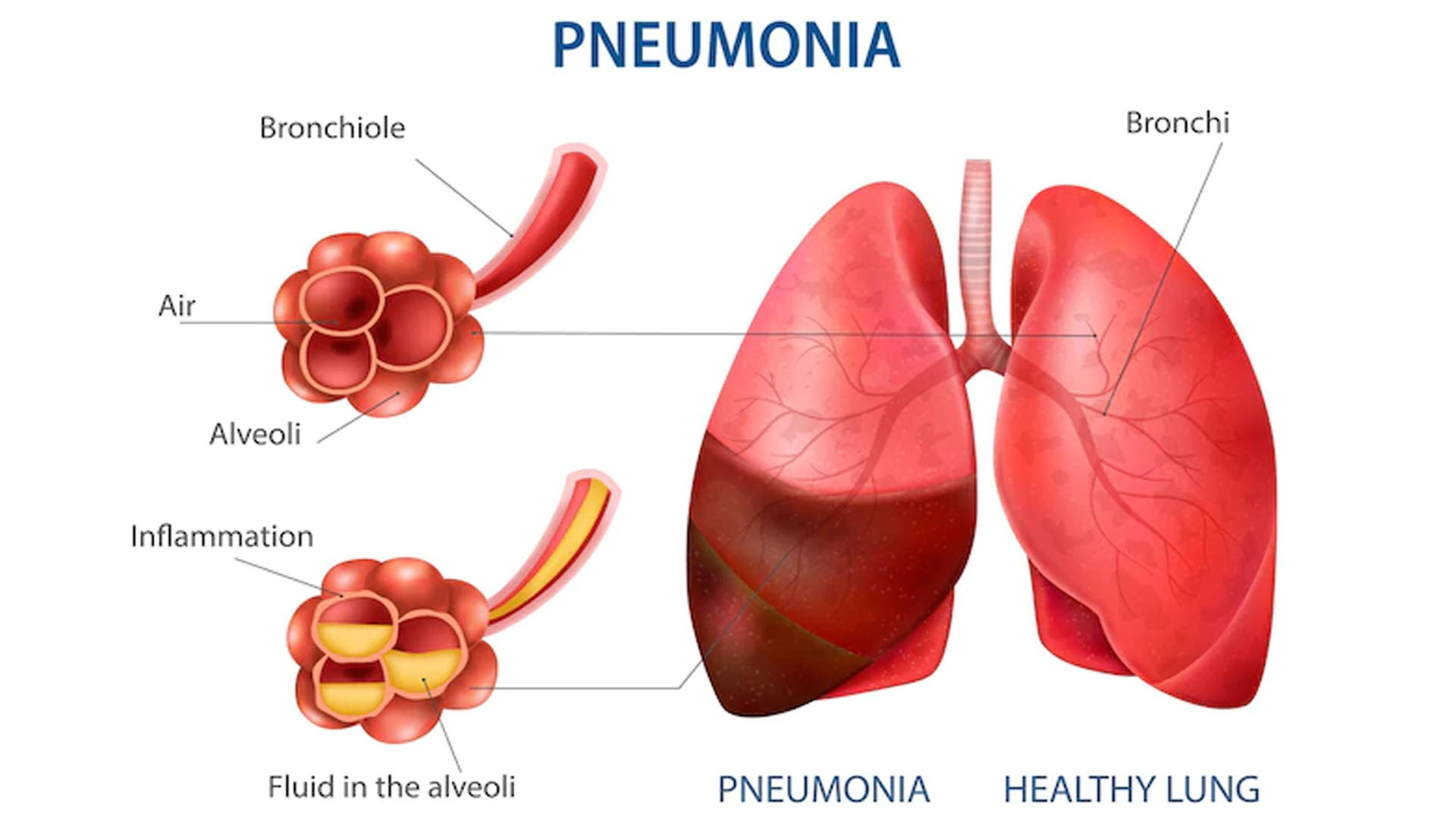
Chronic kidney disease (CKD) refers to a gradual loss of kidney function over time. Awareness about its implications allows for timely intervention and management strategies tailored for patients experiencing this condition.
- Risk Factors: Key risk factors include diabetes and hypertension which are commonly associated with CKD development.
ASTHMA MANAGEMENT
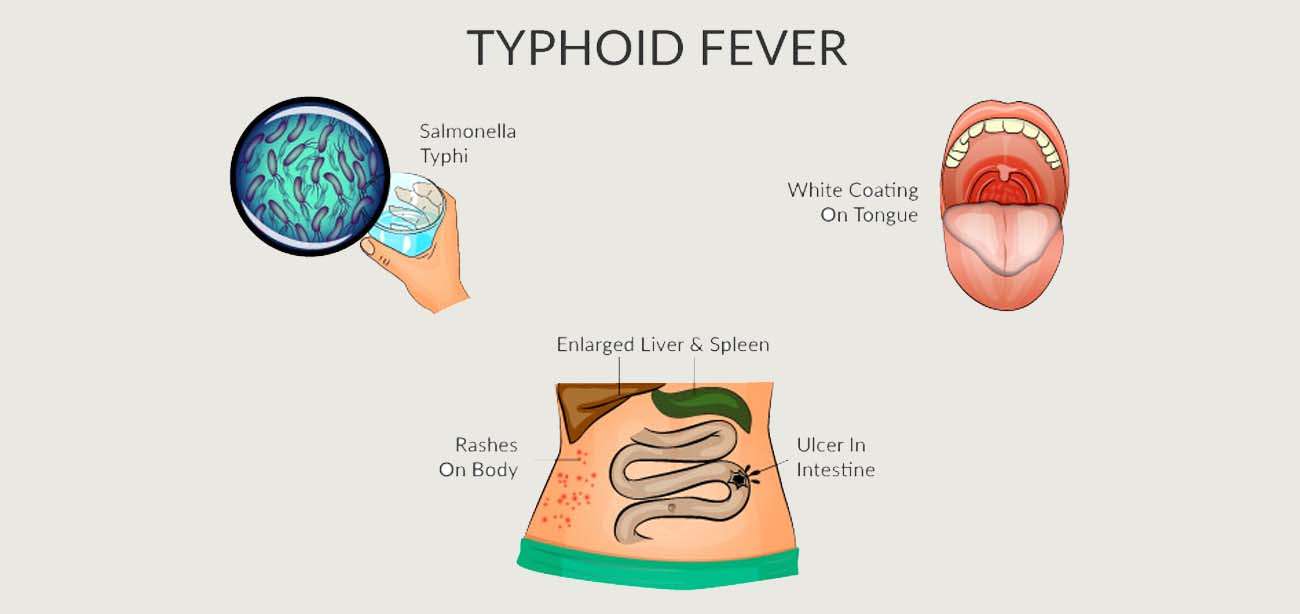
Asthma is a chronic respiratory condition that causes inflammation and narrowing of the airways. It can lead to difficulty in breathing and requires careful management for individuals affected by it.
- Causes: Asthma triggers vary widely; common ones include allergens like pollen, dust mites, smoke exposure, and physical activity.
- Symptoms: Symptoms often include wheezing, coughing (especially at night), chest tightness, and breathlessness.
- Diagnosis: Diagnosis typically involves a physical examination alongside lung function tests such as spirometry.
- Treatment Options: Management includes avoiding triggers and using inhalers containing bronchodilators or corticosteroids as prescribed by healthcare providers.
Asthma requires ongoing attention; understanding your triggers can significantly improve quality of life. Consistent treatment helps prevent attacks effectively.
DIABETES MELLITUS
Diabetes mellitus is a chronic condition that affects how your body processes glucose. It can lead to serious health issues if not managed effectively. Understanding diabetes is essential for long-term health management.
- Types: The two main types are Type 1 diabetes (autoimmune) and Type 2 diabetes (often related to lifestyle factors).
- Symptoms: Common signs include frequent urination, increased thirst, fatigue, and blurred vision.
- Diagnosis: Diagnosis is made through blood tests that measure glucose levels, such as fasting glucose or HbA1c tests.
- Treatment Strategies: Treatment may involve lifestyle changes like diet control, physical activity, and medication (insulin or oral agents).
With proper education and support, managing diabetes can lead to a healthier life. Regular monitoring is key to preventing complications.
HYPERTENSION (HIGH BLOOD PRESSURE)
Hypertension, commonly referred to as high blood pressure, often presents no clear symptoms, earning it the title of the 'silent killer.' Regular monitoring is crucial for early detection and management. Left untreated, hypertension can lead to severe health complications.
- Symptoms: Many individuals experience no noticeable symptoms; however, headaches, shortness of breath, and nosebleeds may occur in severe cases.
- Diagnosis: A healthcare provider measures blood pressure using a sphygmomanometer during routine check-ups or specific evaluations.
- Treatment Options: Management includes lifestyle modifications like healthy eating and regular exercise, along with medications such as diuretics and ACE inhibitors.
- Long-term Monitoring: Regular follow-up appointments are essential to adjust treatment plans and manage any side effects from medications.
Understanding hypertension can empower you to take charge of your health. Regular check-ups are vital for maintaining optimal blood pressure levels.