
Dr Brijesh Agrawal
About Me
Dr Brijesh Agrawal
Cardiologist
Biography
My Clinic
OPD Hours
| Tuesday | Morning | 10:00 AM | - | 02:00 PM |
| Evening | 06:00 PM | - | 09:00 PM | |
| Wednesday | Morning | 10:00 AM | - | 02:00 PM |
| Evening | 06:00 PM | - | 09:00 PM | |
| Thursday | Morning | 10:00 AM | - | 02:00 PM |
| Evening | 06:00 PM | - | 09:00 PM | |
| Friday | Morning | 10:00 AM | - | 02:00 PM |
| Evening | 06:00 PM | - | 09:00 PM | |
| Saturday | Morning | 10:00 AM | - | 02:00 PM |
| Evening | 06:00 PM | - | 09:00 PM | |
| Sunday | Morning | 10:00 AM | - | 02:00 PM |
| Evening | 06:00 PM | - | 09:00 PM | |
| Thursday | Morning | 10:00 AM | - | 02:00 PM |
| Evening | 06:00 PM | - | 09:00 PM |
Treatments
Specialised care and treatments offered
PERIPHERAL ARTERY DISEASE

This circulatory issue arises when narrowed arteries reduce blood flow to limbs. Unrecognized symptoms can lead to significant mobility issues over time; thus detection matters greatly!
- Symptoms often manifest as leg pain during physical activities known medically as claudication!
- Diagnosis typically involves ankle-brachial index testing alongside ultrasound assessments highlighting arterial obstruction points!
- Treatment options range from lifestyle modification emphasizing exercise up through surgical interventions depending on severity.
- Regular follow-up appointments ensure personalized management planning geared towards enhancing quality-of-life improved circulation rates & reducing debilitating effects experienced initially!
Proactive engagement promotes better outcomes when dealing proactively addressing concerns throughout all stages !
HYPERTENSION (HIGH BLOOD PRESSURE)
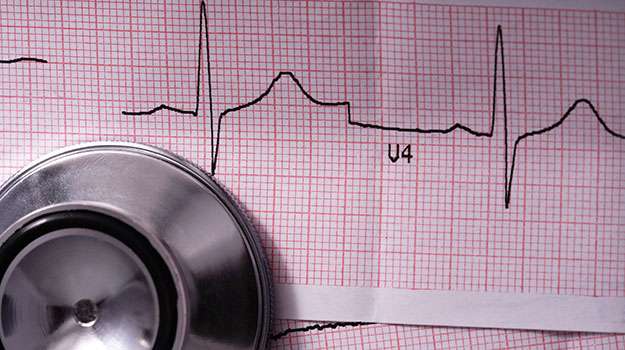
This chronic condition poses significant health risks over time if left unchecked. Effective management starts with awareness of one’s own numbers and risk factors involved with hypertension.
- No prominent symptoms often characterize this malady; however, headache or nosebleeds may occur in severe cases demanding intervention!
- A healthcare professional typically diagnoses hypertension via repeated blood pressure measurements combined with a thorough medical history review.
- Treatment usually encompasses lifestyle changes alongside antihypertensive medications tailored per individual patient needs.
HEART VALVE DISEASE
This refers to any disorder involving one or more of the heart's valves that can disrupt normal blood flow. Recognizing signs early is essential for effective intervention.
- The most common symptoms encompass fatigue, shortness of breath during activity, or swelling in the extremities.
- Diagnosis is achieved through techniques like echocardiograms and chest X-rays that assess valve functionality.
- Treatment options vary from monitoring mild cases to surgical interventions such as valve repair or replacement in more severe instances.
- A multidisciplinary approach ensures ongoing assessment while managing risk factors like hypertension or diabetes post-treatment.
A clear understanding of one’s condition fosters better adherence to prescribed therapies and lifestyle changes necessary for optimal health outcomes.
ATRIAL FIBRILLATION
Atrial fibrillation is an irregular heartbeat that can lead to serious complications if not addressed. Understanding its nature helps patients participate actively in their care.
- This condition often presents with palpitations, dizziness, or weakness among individuals affected by it.
- The diagnosis includes an electrocardiogram (ECG) alongside various imaging techniques to confirm arrhythmia.
- Treatment usually consists of medications aiming at rate control or rhythm restoration; cardioversion may also be performed in certain cases.
- Lifestyle adjustments such as reducing alcohol consumption and managing stress levels are equally important components of effective management.
Addressing atrial fibrillation promptly minimizes risks associated with potential strokes or other complications.
CONGESTIVE HEART FAILURE
This chronic condition arises when the heart is unable to pump effectively, leading to fluid buildup in the lungs and other areas. Understanding congestive heart failure is vital for effective management.
- Common symptoms include persistent cough, fatigue, and swelling in the legs or abdomen due to fluid retention.
- An assessment often involves physical examinations, echocardiograms, and lab tests to evaluate heart function.
- Treatment strategies may consist of medications such as diuretics and ACE inhibitors, along with lifestyle alterations like sodium restriction.
- A comprehensive care plan includes regular monitoring of heart health to prevent exacerbations of symptoms.
Total lifestyle changes are crucial for maintaining well-being with this condition over time.
ACUTE MYOCARDIAL INFARCTION
Acute myocardial infarction, commonly known as a heart attack, occurs when blood flow to a part of the heart is blocked. This condition can be life-threatening and requires immediate medical attention.
- Symptoms may include chest pain, shortness of breath, nausea, or discomfort in the arms and jaw.
- Diagnosis typically involves an EKG, blood tests for cardiac enzymes, and imaging studies.
- Treatment options include medications like aspirin and thrombolytics, as well as procedures such as angioplasty or coronary artery bypass surgery.
- Management also focuses on long-term lifestyle modifications including diet and exercise.
- Expect close monitoring during hospitalization and follow-up care to manage risks and promote recovery.
Prompt treatment can significantly improve outcomes for individuals experiencing this serious condition.