
Dr Brijesh Dube
About Me
Dr Brijesh Dube
MBBS
General Surgeons
25 Years Experience
Biography
My Clinic
OPD Hours
| Monday | Morning | 09:00 AM | ||
| Evening | 09:00 PM | |||
| Tuesday | Morning | 09:00 AM | ||
| Evening | 09:00 PM | |||
| Wednesday | Morning | 09:00 AM | ||
| Evening | 09:00 PM | |||
| Thursday | Morning | 09:00 AM | ||
| Evening | 09:00 PM | |||
| Friday | Morning | 09:00 AM | ||
| Evening | 09:00 PM |
Treatments
Specialised care and treatments offered
GALLBLADDER STONES

Gallstones develop when bile components harden into solid particles within your gallbladder. These stones can lead to issues ranging from mild discomfort to severe pain requiring surgical intervention if they block ducts within your biliary system!
- Symptoms often manifest as sporadic bouts of intense abdominal pain coupled with indigestion after meals containing fats due largely caused increased pressure within biliary tract systems - understanding what these signs represent empowers individuals seeking timely assistance!
- Diagnosis relies heavily upon conducting thorough diagnostics frameworks involving imaging scans alongside comprehensive evaluation protocols!
- Treatment focuses primarily on surgical options such as cholecystectomy aimed directly at root causes underlying stone formation while considering non-invasive alternatives based on patient-specific factors where applicable too based around dietary changes emphasizing healthy nutritional regimes!
- Post-treatment expectations generally revolve around adapting lifestyle habits favoring overall health improvements - guiding patients toward sustainable wellness pathways incorporating balanced nutrition practices post-removal procedures undertaken henceforth !
Proactively addressing any concerns tied up closely linked around gallbladder functioning processes promotes enriched living experiences full potential achieved long term success achieving stability & satisfaction achieved on overall quality fronts !
BOWEL OBSTRUCTION

A bowel obstruction happens when there’s a blockage preventing food or liquid from passing through. This situation can quickly become critical if not addressed properly by medical professionals.
- Main causes encompass adhesions from previous surgeries, tumors, hernias, or inflammatory bowel disease leading to obstruction symptoms such as abdominal swelling and severe cramping pain.
- Diligent evaluation through imaging studies like X-rays will assist physicians in confirming an obstruction's presence and severity levels effectively!
- Treatment may range from non-invasive approaches like nasogastric decompression to emergency surgical interventions depending on blockage nature's emergencies encountered...
- Patients should expect varied recovery processes that align with specific treatments undertaken following an obstructive episode!
Early recognition plays a crucial role in managing bowel obstructions - knowing when you need immediate help makes all the difference!
DIVERTICULITIS
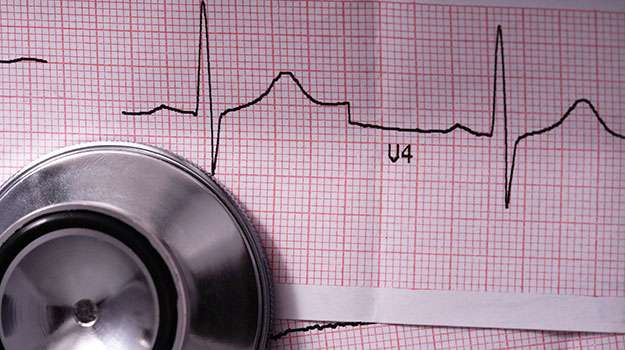
Diverticulitis occurs when pouches (diverticula) formed in the walls of the colon become inflamed or infected. Understanding this condition's management is vital for preventing serious complications.
- The main symptoms: abdominal pain (particularly on the left side), fever, changes in bowel habits, and digestive disturbances may arise during flare-ups.
- A healthcare provider confirms diverticulitis via diagnostic tools such as CT scans and blood tests assessing inflammation levels.
- Treatment approaches often involve dietary modifications initially; however, antibiotics or surgery may be required for severe cases or recurrent episodes.
- Follow-up therapy emphasizes lifestyle adjustments that incorporate high-fiber diets to minimize future occurrences.
Catching diverticulitis early ensures effective management strategies are implemented without delay!
HERNIA REPAIR
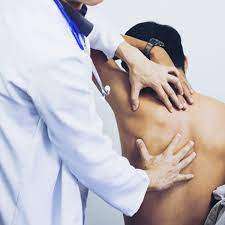
A hernia occurs when an organ pushes through an opening in muscle or tissue that holds it in place. Hernias can cause discomfort and require surgical intervention if they become severe or strangulated.
- The symptoms may include a bulge in the affected area, pain during exertion, or pressure sensations.
- Treatment begins with a thorough physical examination; imaging tests might be used for better analysis of the situation.
- Surgical correction is often necessary; options include open surgery or minimally invasive laparoscopic techniques for repair.
- Recovery times vary but adhering to post-operative care guidelines can enhance outcomes significantly.
A proactive approach in addressing hernias helps prevent further health issues down the line.
CHOLECYSTITIS
Cholecystitis refers to inflammation of the gallbladder, often due to gallstones blocking its outlet. It's important to seek treatment swiftly to prevent complications such as infection or perforation.
- Main symptoms include intense pain in the upper right abdomen, especially after eating fatty foods, along with nausea and fever.
- The condition is diagnosed through physical exams and imaging techniques like ultrasounds and MRIs.
- Management usually involves surgery known as cholecystectomy to remove the gallbladder; antibiotics are also prescribed for infection control.
- Patients can expect significant recovery post-surgery but should adhere to dietary recommendations during healing.
A swift diagnosis and treatment strategy are crucial for managing cholecystitis efficiently.
APPENDICITIS
Appendicitis is the inflammation of the appendix, a small pouch attached to the large intestine. This condition often requires urgent medical attention as it can lead to serious complications if not treated promptly.
- Symptoms typically include severe abdominal pain, especially in the lower right side, nausea, vomiting, and fever.
- The diagnosis commonly involves a physical examination and imaging tests such as an ultrasound or CT scan.
- Treatment usually consists of an appendectomy, which is the surgical removal of the appendix. Antibiotics may also be administered.
- Post-surgery, most patients experience relief from symptoms and are advised to follow specific recovery guidelines.
Being informed about appendicitis can help individuals recognize symptoms early, ensuring timely treatment and minimizing risks.