
Dr Brijmohan Mee
About Me
Dr Brijmohan Mee
MBBS
General Physician
10 Years Experience
Biography
My Clinic
OPD Hours
| Monday | Morning | 10:00 AM | - | 02:00 PM |
| Evening | 06:00 PM | - | 09:00 PM | |
| Tuesday | Morning | 10:00 AM | - | 02:00 PM |
| Evening | 06:00 PM | - | 09:00 PM | |
| Wednesday | Morning | 10:00 AM | - | 02:00 PM |
| Evening | 06:00 PM | - | 09:00 PM | |
| Thursday | Morning | 10:00 AM | - | 02:00 PM |
| Evening | 06:00 PM | - | 09:00 PM | |
| Friday | Morning | 10:00 AM | - | 02:00 PM |
| Evening | 06:00 PM | - | 09:00 PM | |
| Saturday | Morning | 10:00 AM | - | 02:00 PM |
| Evening | 06:00 PM | - | 09:00 PM | |
| Sunday | Morning | 10:00 AM | - | 02:00 PM |
| Evening | 06:00 PM | - | 09:00 PM |
Treatments
Specialised care and treatments offered
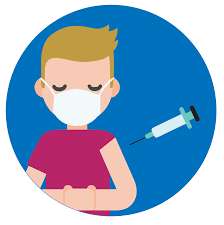
SEASONAL INFLUENZA VACCINATION

The flu vaccine plays a key role in preventing seasonal influenza outbreaks that affect millions worldwide each year. It helps reduce severity and hospitalizations related to flu infections.
- The vaccine stimulates immune protection, reducing the chance of catching the flu virus each season; recommended especially for vulnerable groups such as elderly people or those with chronic illnesses.
CHOLESTEROL SCREENING
An important part of cardiovascular disease prevention involves evaluating cholesterol levels in the blood. Imbalanced lipids increase the risk for heart attacks and strokes.
- Causal aspects: Unhealthy diets high in saturated fats and genetics can raise LDL cholesterol ("bad" cholesterol).
- Diagnostic process: Blood lipid profiles measure total cholesterol, LDL, HDL ("good" cholesterol), and triglycerides after fasting.
- Treatment methods: Diet modification, exercise programs, and possibly statin therapy if indicated by test results.
- The goal of screening: To maintain optimal lipid levels that protect arteries from plaque buildup over time.
Lifestyle changes combined with medical guidance allow effective management of cholesterol to support heart health throughout life.
ROUTINE HEALTH CHECK-UPS
Regular health check-ups are essential for monitoring overall wellness and identifying potential health problems before they become severe. These visits help maintain good health through preventive care.
- What is included: Physical examination, vital signs check, blood and urine tests depending on age and risk factors.
- Purpose: To detect early signs of diseases such as anemia, infections, diabetes, or kidney issues.
- Frequency recommendations: Generally once a year for adults; more often if underlying conditions exist.
- The benefits of routine checks: Early diagnosis empowers better management and reduces complications from chronic illnesses.
A proactive approach through routine health assessments contributes significantly to long-term well-being and longevity.
TYPE 2 DIABETES SCREENING

Type 2 diabetes is a chronic condition characterized by elevated blood sugar levels due to insulin resistance. Early detection can help prevent complications.
- Risk factors: Includes obesity, sedentary lifestyle, family history, and age over 45 years.
- How screening works: Blood tests such as fasting glucose or HbA1c are used to identify abnormal sugar levels.
- Lifestyle management: Healthy eating, regular physical activity, and maintaining a normal weight are key preventive strategies.
- Treatment approach: Involves oral medications or insulin therapy alongside lifestyle adjustments when diagnosed.
Early screening enables timely interventions that reduce the risk of long-term complications like neuropathy and cardiovascular disease.
HYPERTENSION MANAGEMENT
High blood pressure, or hypertension, is a common condition that can lead to serious health issues if left untreated. It often develops over many years and may not cause obvious symptoms initially.
- Symptoms and causes: Often symptomless, but can include headaches or dizziness; caused by factors like genetics, diet, stress, and lifestyle.
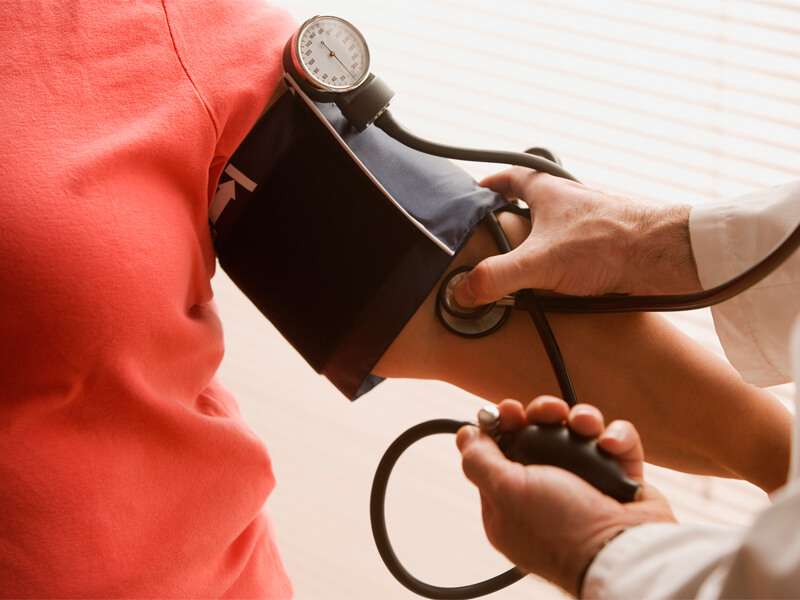
- Diagnosis: Regular blood pressure measurements using sphygmomanometers during medical visits are crucial.
- Treatment options: Lifestyle changes such as diet and exercise, along with medications like ACE inhibitors or beta-blockers as prescribed.
- Management expectations: Continuous monitoring is necessary to prevent complications such as heart disease or stroke.
Consistent care and adherence to treatment plans can effectively control hypertension and improve quality of life.