
Dr C C Nair
About Me
Dr C C Nair
Internal Medicine
Biography
My Clinic
OPD Hours
| Tuesday | Morning | 10:00 AM | - | 02:00 PM |
| Evening | 06:00 PM | - | 09:00 PM | |
| Wednesday | Morning | 10:00 AM | - | 02:00 PM |
| Evening | 06:00 PM | - | 09:00 PM | |
| Thursday | Morning | 10:00 AM | - | 02:00 PM |
| Evening | 06:00 PM | - | 09:00 PM | |
| Friday | Morning | 10:00 AM | - | 02:00 PM |
| Evening | 06:00 PM | - | 09:00 PM | |
| Saturday | Morning | 10:00 AM | - | 02:00 PM |
| Evening | 06:00 PM | - | 09:00 PM | |
| Sunday | Morning | 10:00 AM | - | 02:00 PM |
| Evening | 06:00 PM | - | 09:00 PM | |
| Thursday | Morning | 10:00 AM | - | 02:00 PM |
| Evening | 06:00 PM | - | 09:00 PM |
Treatments
Specialised care and treatments offered
MANAGEMENT OF CHRONIC OBSTRUCTIVE PULMONARY DISEASE (COPD)
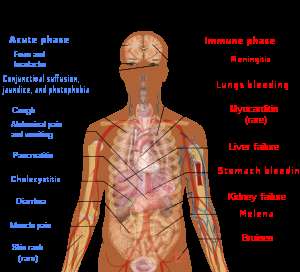
COPD encompasses respiratory conditions that obstruct airflow from the lungs making breathing difficult. Effective management & education play key roles in improving lung function & quality life immensely!
- The indication encouraging symptom recognition includes persistent cough producing mucus alongside wheezing shortness breath especially exacerbated activities exertion; additionally noticing rapid decline overall energy levels ought not ignored reckoning priority seeking immediate professional assistance!
- The underlying causes might involve long-term exposure environmental toxins; smoking remains factor further complicating chronology involved.
- Diverse diagnostic modalities exist including pulmonary function tests assessing lung capacity assessing functionality over periods documenting various fits rates helping highlight patterns emerging overtime assisting towards conscientious route planning aided knowledge gained encountered interactions sustained across examinations performed/>The aim successful therapeutic approaches extending beyond simply prescribing bronchodilators emphasizing emphasized educative initiatives encouraging positive behavioral adaptations among communities being engaged alongside medical interventions provided regularly.!
SCREENING FOR COLORECTAL CANCER
Colorectal cancer screening is crucial in detecting cancer at earlier stages when treatment outcomes can be much better. The goal is prevention—removing precancerous polyps before they develop into cancerous growths.
- The significance of scheduling screenings: Recommended starting at age 45 or earlier based upon family histories warranting attention since many individuals present without symptoms during early stages!
- Common diagnostic methods include: Colonoscopies allowing visualization internal examinations guided by specialists recommend personalized plans similarly stool tests appearing less invasive aiding evaluation effectiveness necessary take place adequately supported medicine advancements throughout years every increase accessibility!, leading opportunities improvements quality care found platforms..
- Symptomatic concerns Such as persistent abdominal discomfort requiring evaluation checking home observed bleeding bathroom activities must alert! Alertness allows achieving timely access capabilities involved handling helping within respective communities fostering greater awareness overall population matters continuously becoming better informed across generations moving forward!
This type proactive behavior aims saving lives enabling healthier futures stemming past experiences benefiting pursuing healthy lifestyles improving overall public safety enhancing engagement throughout whole journey together collectively striving reach ultimate goals adopted widely across different cultures traditions evolving constantly shaping future stories unfold remarkably good times ahead!.
ANNUAL PHYSICAL EXAMS
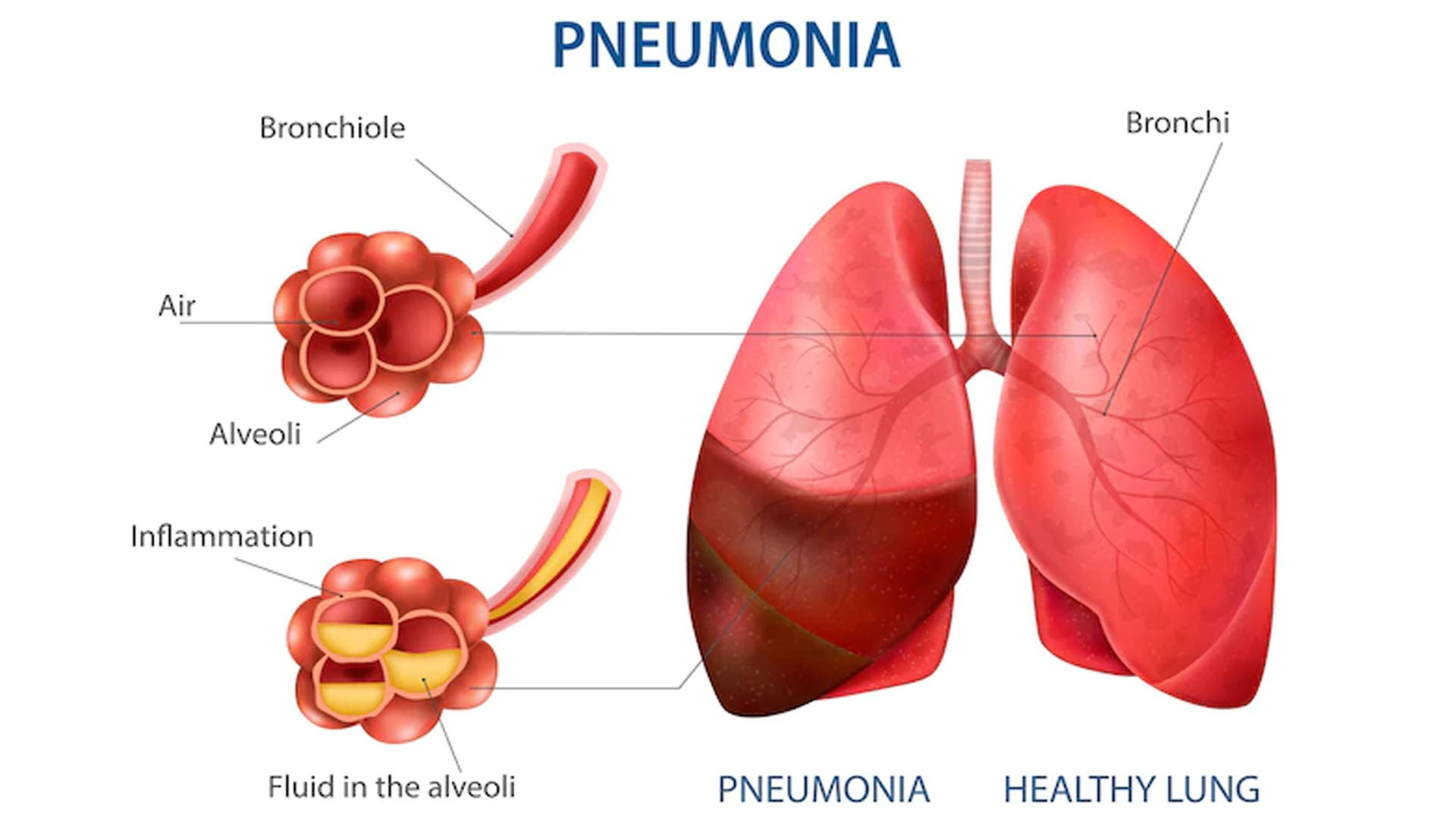
An annual physical exam is an essential component of preventive healthcare. It provides an opportunity to assess overall health status and identify potential issues before they become serious problems.
- The importance of scheduling regular exams: These exams help monitor critical health indicators like weight, blood pressure, and heart rate while offering a chance for disease screening relevant to your age group or family history.
- Diagnostic procedures : Routine lab tests might include blood tests checking glucose levels or lipid profiles among others based on individual risk factors identified during examination..
- Preventive measures available : Vaccinations appropriate based on age group as well as suggestions regarding lifestyle changes related dietary habits promoting healthier living through fitness interests may arise during conversations..
- Follow-ups : Depending on findings from physical exams initial consultations might lead into more extensive assessments involving specialty referrals along pathways continuing care..
Establishing open dialogue between patients physicians allows them collaboratively crafting tailored approaches optimizing well-being throughout life stages consistently..
CHOLESTEROL MANAGEMENT
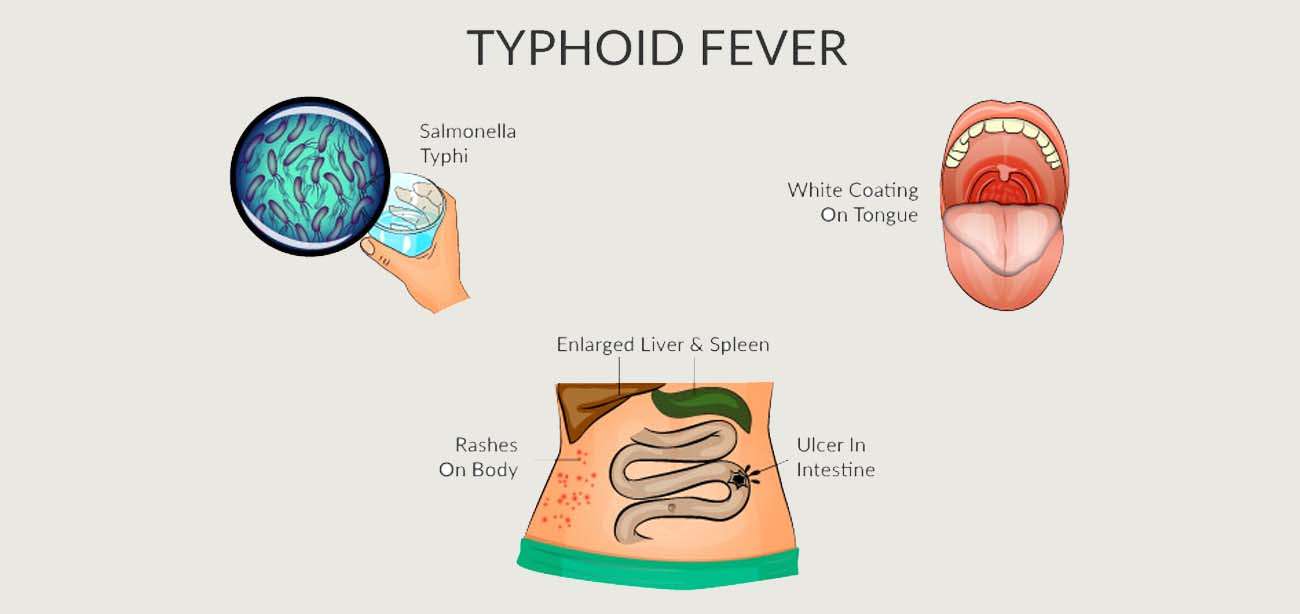
Elevated cholesterol levels can lead to serious cardiovascular diseases if left unchecked. Understanding your cholesterol levels through screenings plays a crucial role in preventive care.
- Symptoms of high cholesterol: Generally asymptomatic; however, buildup can lead to heart attack or stroke signs like chest pain or shortness of breath over time.
- Causal factors: Poor diet rich in saturated fats, lack of physical activity, smoking habits, and genetic history all contribute to elevated cholesterol levels.
- How it’s diagnosed: A lipid panel blood test measures total cholesterol and triglycerides in your bloodstream. Fasting may be required prior to testing for accurate results.
- Treatment options: Lifestyle changes such as improved diet and regular exercise are first-line treatments followed by medications like statins if necessary for maintaining healthy cholesterol levels.
Your healthcare provider will help create an individualized plan that can significantly improve your heart health over time by actively managing cholesterol levels through consistent follow-up assessments.
DIABETES SCREENING
Diabetes is a chronic condition that affects how the body processes blood sugar (glucose). Early detection through screening is vital for effective management and preventing complications.
- Symptoms: Common signs include increased thirst, frequent urination, extreme fatigue, and blurred vision.
- Causal factors: Genetic predisposition, obesity, inactivity, and certain health conditions contribute to diabetes development.
- Diagnosis: Blood tests measuring glucose levels are used for diagnosis; fasting glucose tests or HbA1c tests are common methods.
- Treatment options: Management may involve dietary changes, exercise programs, insulin therapy, or other medications based on the type of diabetes diagnosed.
- What to expect: Regular monitoring of blood sugar levels is essential for maintaining optimal health and preventing complications associated with diabetes.
A proactive approach through routine screenings can aid patients in managing their condition effectively while minimizing risks of long-term damage to organs.
HYPERTENSION MANAGEMENT
Hypertension, commonly known as high blood pressure, is a significant health issue affecting millions globally. It often develops over many years without noticeable symptoms, making regular screenings essential for early detection.
- Symptoms: Most individuals experience no symptoms, but some may suffer from headaches, shortness of breath, or nosebleeds.
- Causes: Factors contributing to hypertension include obesity, excessive salt intake, stress, and a sedentary lifestyle.
- Diagnosis: Healthcare providers measure blood pressure using a sphygmomanometer. Multiple readings may be needed to confirm a diagnosis.
- Treatment options: Lifestyle modifications such as diet changes and increased physical activity can help. Medications may also be prescribed depending on the individual's condition.
- What to expect: Patients should regularly monitor their blood pressure and adhere to recommended treatments and follow-ups for effective management.
Proper management of hypertension can significantly reduce the risk of more severe health problems like heart disease and stroke. Regular consultation with healthcare professionals is crucial.