
Dr C G Doshi
About Me
Dr C G Doshi
Anesthesiologist
Biography
My Clinic
OPD Hours
| Tuesday | Morning | 10:00 AM | - | 02:00 PM |
| Evening | 06:00 PM | - | 09:00 PM | |
| Wednesday | Morning | 10:00 AM | - | 02:00 PM |
| Evening | 06:00 PM | - | 09:00 PM | |
| Thursday | Morning | 10:00 AM | - | 02:00 PM |
| Evening | 06:00 PM | - | 09:00 PM | |
| Friday | Morning | 10:00 AM | - | 02:00 PM |
| Evening | 06:00 PM | - | 09:00 PM | |
| Saturday | Morning | 10:00 AM | - | 02:00 PM |
| Evening | 06:00 PM | - | 09:00 PM | |
| Sunday | Morning | 10:00 AM | - | 02:00 PM |
| Evening | 06:00 PM | - | 09:00 PM | |
| Thursday | Morning | 10:00 AM | - | 02:00 PM |
| Evening | 06:00 PM | - | 09:00 PM |
Treatments
Specialised care and treatments offered
INTRAVENOUS (IV) SEDATION
Intravenous (IV) sedation provides rapid onset relaxation through direct medication delivery into your bloodstream. Often preferred for various medical procedures requiring minimal discomfort while maintaining awareness levels set by an anesthesiologist's direction carefully tailored towards each patient’s unique situation.
- IV sedatives allow immediate adjustments;
- Vital signs will be constantly monitored throughout your treatment process ;
- Patients often recover quickly but should have someone assist them home after any moderate-to-deep treatments ;
IV sedation aims ensure maximum comfort concerning every detail so individuals feel safe taking necessary steps toward optimal health while cooperating with healthcare professionals managing their care efficiently .
SEDATION DENTISTRY

Sedation dentistry uses anesthetic techniques to help alleviate anxiety associated with dental procedures. This innovative approach aids patients who may experience fear or discomfort at the thought of receiving treatment, ensuring a more comfortable experience overall.
- The sedative can take various forms: oral medications, nitrous oxide (laughing gas), or intravenous (IV) sedation options depending on individual needs;
- This method enables dentists to perform longer procedures without causing distress;
- The level of sedation chosen depends on the complexity of dental work required and patient anxiety levels;
- Candidates are evaluated through consultations related to medical history that guide appropriate medication use;
- Patients should arrange post-treatment transportation if deep sedation methods were utilized as recovery times vary across techniques;
If anxiety about dental work has ever held you back from necessary care, considering sedation options could greatly enhance your altogether visit experience!
REGIONAL ANESTHESIA

Regional anesthesia provides targeted pain relief by blocking nerve impulses in specific regions of the body. This approach can be advantageous in both surgical contexts and palliative care settings, allowing patients to undergo procedures while minimizing systemic side effects from general anesthesia.
- Selective Targeting: Common techniques include spinal blocks or peripheral nerve blocks depending on the area to be treated.
- Effectiveness Assessment: Effectiveness is monitored through patient feedback regarding pain levels before proceeding with surgery or other interventions.
This type of anesthesia delivers precise control over pain management without affecting overall consciousness, making it an excellent choice for various surgical scenarios requiring localized relief with effective recovery outcomes.
MONITORED ANESTHESIA CARE (MAC)

Monitored Anesthesia Care (MAC) offers a sedation option that provides comfort while allowing patients to maintain consciousness. It’s especially common for outpatient procedures where quick recovery is desired without full anesthesia.
- Indications: Ideal for diagnostic or minor surgical procedures where local anesthesia alone might not suffice.
- Sedation Levels: Patients often receive medications intravenously to achieve varying degrees of sedation tailored to their needs.
- Dosing Adjustments: The anesthesiologist can adjust sedation levels throughout the procedure based on real-time feedback from the patient’s responses.
This method ensures a balance between adequate sedation and patient awareness, promoting safety while addressing discomfort effectively during minor surgeries and diagnostics.
EPIDURAL ANESTHESIA

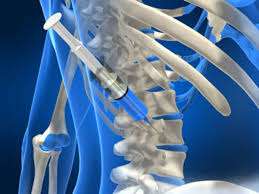
Epidural anesthesia is frequently utilized for pain relief during childbirth and certain surgeries involving the lower body. This method involves injecting anesthetics into the epidural space surrounding the spinal cord, which effectively blocks pain sensations in specific areas.
- Benefits: Offers significant relief from pain without causing complete loss of sensation.
- How It’s Administered: A small catheter may be placed in the epidural space for continuous pain management throughout labor or surgery.
- Potential Risks: While generally safe, risks may include headaches or nerve damage, though serious complications are rare.
- Monitoring Requirements: Continuous monitoring of maternal-fetal wellbeing is essential throughout labor when using this technique for childbirth.
Epidural anesthesia can make significant differences in comfort levels during procedures and help facilitate smoother delivery experiences for mothers.
GENERAL ANESTHESIA

General anesthesia is a medically induced coma that is used during surgical procedures to ensure that patients remain pain-free and unconscious. This approach allows surgeons to perform complex operations safely while the patient is completely unaware of the process.
- Symptoms: Patients typically do not experience symptoms as they are unconscious during the procedure.
- Diagnosis: Pre-anesthesia assessments include reviewing medical history, conducting physical examinations, and performing necessary tests.
- Treatment Options: The administration of anesthetic agents through inhalation or intravenous routes is common, tailored to individual needs.
- Post-operative Care: After surgery, monitoring in a recovery unit is crucial until consciousness returns and vital signs stabilize.
- Expected Recovery: Side effects may include grogginess or confusion upon waking, but these generally resolve quickly as the anesthesia wears off.
Understanding general anesthesia can alleviate concerns about undergoing surgery and help prepare for what to expect during the process.