
Dr C K Ponde
About Me
Dr C K Ponde
Cardiologist
Biography
My Clinic
OPD Hours
| Tuesday | Morning | 10:00 AM | - | 02:00 PM |
| Evening | 06:00 PM | - | 09:00 PM | |
| Wednesday | Morning | 10:00 AM | - | 02:00 PM |
| Evening | 06:00 PM | - | 09:00 PM | |
| Thursday | Morning | 10:00 AM | - | 02:00 PM |
| Evening | 06:00 PM | - | 09:00 PM | |
| Friday | Morning | 10:00 AM | - | 02:00 PM |
| Evening | 06:00 PM | - | 09:00 PM | |
| Saturday | Morning | 10:00 AM | - | 02:00 PM |
| Evening | 06:00 PM | - | 09:00 PM | |
| Sunday | Morning | 10:00 AM | - | 02:00 PM |
| Evening | 06:00 PM | - | 09:00 PM | |
| Thursday | Morning | 10:00 AM | - | 02:00 PM |
| Evening | 06:00 PM | - | 09:00 PM |
Treatments
Specialised care and treatments offered
PERIPHERAL ARTERY DISEASE

This condition involves reduced blood flow primarily affecting limbs due narrowed arteries which could result from plaque accumulation similar coronary artery issues found other parts body leading serious consequences respectively
.- Symptoms: Patients usually report leg pain while walking—a phenomenon known intermittent claudication—along numbness weakness upon exertion correlated distance walked before onset indicated impairment circulatory system needed otherwise healthy tissues deprived proper oxygenation affecting overall wellness patterns developed negatively long run ulcers gangrene might follow advanced stages being rare but severe complications requiring prompt intervention attention required always stay vigilant monitoring potential developments .
The importance maintaining good vascular integrity enhances life quality showing commitment prioritized caring habits encouraging consulting specialists addresses concerns proactively establishes basis favorable environment healthier lifestyle each day counts towards achieving lasting improvements overall robustness !
CHOLESTEROL MANAGEMENT
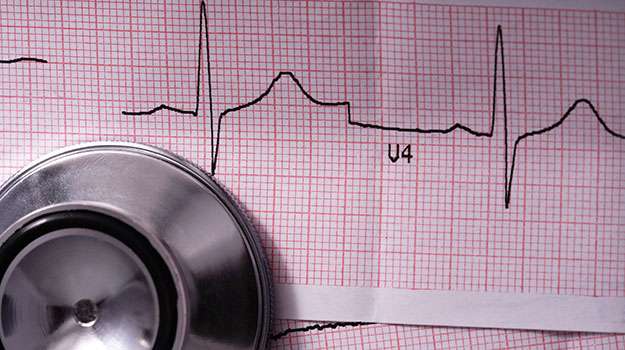
Mangeing cholesterol levels is crucial for maintaining cardiovascular health. Elevated cholesterol can lead to plaque buildup in arteries resulting in coronary artery disease. Understanding how it works is vital for prevention
.- Symptoms: There are typically no symptoms associated with high cholesterol levels until significant issues arise; routine screenings help identify potential problems early on.
- Causes: High cholesterol can stem from genetic factors along with dietary choices—foods rich in saturated fats contribute heavily toward increased levels within one's bloodstream..
- Diagnosis: A simple blood test measuring lipids—total cholesterol; low-density lipoprotein (LDL); high-density lipoprotein (HDL)—is often used for assessment purposes by healthcare providers .
- Treatment: Approaches generally emphasize lifestyle modifications—including diet exercise—alongside pharmaceutical interventions if necessary targeting lipid reduction directly ,such statins .
The ongoing management achieved through collaboration yields positive results reducing future risks associated long term exposure elevated lipids .
ATRIAL FIBRILLATION
Atrial fibrillation (AFib) is an irregular heartbeat that can lead to various complications if untreated. It often increases the risk of stroke due to poor blood flow through the heart chambers.
- Symptoms: Patients may feel palpitations, dizziness, fatigue, or chest discomfort during episodes of AFib.
- Causes: Factors contributing to AFib include high blood pressure, coronary artery disease, excessive alcohol consumption, and certain thyroid disorders.
- Treatment: Options involve rate control medications like calcium channel blockers; rhythm control strategies such as antiarrhythmic drugs; sometimes cardioversion procedures are performed depending on severity.
- What to expect: Many individuals successfully manage AFib through regular follow-ups and adherence to prescribed treatments leading towards improved outcomes.
Taking proactive steps towards understanding this condition ensures optimal management moving forward.
HEART FAILURE
Heart failure occurs when the heart cannot pump sufficient blood to meet the body's needs. This condition can develop gradually and affects millions worldwide.
- Symptoms: Common signs include fatigue, shortness of breath during activities or at rest, swelling in legs or ankles due to fluid retention.
- Causes: Conditions like coronary artery disease and hypertension often contribute to heart failure development over time.
- Diagnosis: Diagnosis typically involves echocardiograms to assess heart function alongside clinical evaluation of symptoms.
- Treatment: Management strategies include lifestyle changes combined with medications such as beta-blockers or ACE inhibitors; advanced cases may require device implantation or surgery.
- What to expect: With appropriate care, many patients experience improved symptoms and quality of life despite living with heart failure.
Your health team will work diligently on a plan tailored for effective management and support throughout your journey with this condition.
CORONARY ARTERY DISEASE
Coronary artery disease (CAD) is a prevalent form of heart disease stemming from the narrowing of coronary arteries. This condition restricts blood flow to the heart muscle, which can lead to chest pain or heart attacks.
- Symptoms: The most common symptom includes angina (chest pain), but others may experience shortness of breath or fatigue during physical activity.
- Causes: Risk factors consist of high cholesterol, high blood pressure, diabetes, smoking, and a sedentary lifestyle.
- Diagnosis: CAD can be diagnosed through stress tests, angiograms, or CT scans that visualize blockages in coronary arteries.
- Treatment: Options may include lifestyle changes, medications like statins, or procedures such as angioplasty or bypass surgery.
- What to expect: Early detection and appropriate management can enhance quality of life and significantly lower the risk of serious outcomes.
A proactive approach plays a critical role in managing CAD effectively.
HYPERTENSION
Hypertension, commonly known as high blood pressure, is a chronic condition that can lead to serious health complications if left untreated. It occurs when the force of the blood against the artery walls is consistently too high.
- Symptoms: Often referred to as a 'silent killer,' hypertension may not present noticeable symptoms until significant damage has occurred.
- Causes: Factors include obesity, lack of physical activity, excessive alcohol consumption, and a diet high in salt.
- Diagnosis: Blood pressure is measured using a sphygmomanometer; readings consistently over 130/80 mmHg are considered hypertensive.
- Treatment: Management options range from lifestyle modifications to medication such as diuretics or ACE inhibitors.
- What to expect: Regular monitoring and adherence to treatment plans can help effectively manage blood pressure levels and reduce risks of complications.
Taking control of hypertension is essential for maintaining overall health and preventing cardiovascular diseases.