
Dr C L Meena
About Me
Dr C L Meena
MD
Diabetologist
Biography
My Clinic
OPD Hours
| Monday | Morning | 10:00 AM | - | 02:00 PM |
| Evening | 06:00 PM | - | 09:00 PM | |
| Tuesday | Morning | 10:00 AM | - | 02:00 PM |
| Evening | 06:00 PM | - | 09:00 PM | |
| Wednesday | Morning | 10:00 AM | - | 02:00 PM |
| Evening | 06:00 PM | - | 09:00 PM | |
| Thursday | Morning | 10:00 AM | - | 02:00 PM |
| Evening | 06:00 PM | - | 09:00 PM | |
| Friday | Morning | 10:00 AM | - | 02:00 PM |
| Evening | 06:00 PM | - | 09:00 PM | |
| Saturday | Morning | 10:00 AM | - | 02:00 PM |
| Evening | 06:00 PM | - | 09:00 PM | |
| Sunday | Morning | 10:00 AM | - | 02:00 PM |
| Evening | 06:00 PM | - | 09:00 PM |
Treatments
Specialised care and treatments offered
TYPE 2 DIABETES TREATMENT OPTIONS

This form of diabetes develops when the body becomes resistant to insulin or when it fails to produce sufficient insulin. Understanding this chronic disease fosters better management practices among affected individuals reflected across daily choices in several aspects including diet!
- Symptoms range greatly; however common occurrences include increased thirst along fatigue paradoxically paired against extreme weight fluctuations here which occur simultaneously due poor energy utilization caused circulating glucose levels rising far too high beyond acceptable limits.
- Diagnosing verifies itself through laboratory testing regimen evaluating plasma concentrations often utilizing HbA1c metrics directly correlating longstanding periods which gauge treatment efficacy directly proportionate towards controlled targets outlined previously discussed amongst caregivers involved actively engaging patient care log records diligently tracked too over time span necessitating reevaluation regularly scheduled periodically documented carefully each visit setting frequency parameters established accordingly based upon individual needs presented uniquely.
- First-line therapies generally consist predominantly oral hypoglycemic agents aimed predominantly customized towards optimally improving glycemic profiles whilst directing attention focused closely adhering towards achieving milestone objectives specific designed tailored underlying principles incorporating prudent nutritional habits incorporated seamlessly into routine initiatives undertaken daily pursued fervently passionately - empowering oneself instilled confidence derived principally harnessed cooperatively alongside respective trusted advisors guiding steps forward successfully overcoming hurdles encountered while paving pathways envisioned clearly beforehand laid forth ahead continually onwards pressing bravely forward undeterred seeking out workable solutions devised uniquely totally resolutely unfazed determinedately accomplishing fantastic feats unforgettable triumphs never yield!
Living well within context amidst constraints sometimes formidable faced continually surmount every challenge tackled wholly thrusting ahead vigorously energized uplifted encouragingly demonstrating resilience stays paramount asserting positivity thereby forging ahead unabashedly creating hope aspirations dreamt envisioned ultimately realized warmly embraced leading inspiring futures filled pure joy abounding around excitement present infinite possibilities longing await unfold wondrous journeys await take flight soaring above thriving deserve revel celebrate victories gained nonetheless deserved cherish fondly moving forward hand-held hope eternal everlasting faith guiding ever brighter horizons beckoning onward bright-future extended forth patiently await attentive ear hopeful expectation keen sense purpose felt keenly sharing experiences encountered lived empowering each step taken together fostering community bonds uplift cherished value areas imagined touch others hearts inspire ignite passions light paths guide tread firmly journey unfolds shared heart-whole reaching heights dreams achieved fullest extent promised tomorrow brings!
PREDIABETES INTERVENTION STRATEGIES
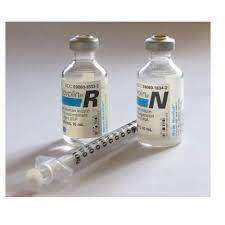
Prediabetes indicates higher than normal blood sugar levels but not high enough for a diagnosis of type 2 diabetes. Early intervention at this stage is essential to reverse course and avoid further complications down the line.
- No obvious symptoms, making it crucial for testing in those at risk such as overweight individuals or those with a family history of diabetes.
- A fasting glucose test or A1C level checks are common methods employed for identification during routine healthcare visits or screenings following guidelines set by health organizations.
- Management primarily emphasizes lifestyle modifications like enhanced physical activity routines along with diet adjustments aimed at weight loss.
- Monitoring progress regularly aids in evaluating effectiveness while decreasing potential long-term risks associated with developing full-blown diabetes.
Active participation from patients leads toward successful outcomes resulting from personal accountability coupled alongside professional guidance throughout treatment pathways available!
DIABETES MANAGEMENT & EDUCATION
Coping with diabetes requires understanding how lifestyle choices affect overall health. Ongoing education empowers patients to manage their condition confidently while leading fulfilling lives.
- A patient might experience symphonies, including fatigue, weight changes, or mood swings related to fluctuating blood sugar levels.
- The diagnosis process incorporates routine checks of blood glucose levels coupled with educational sessions about managing daily activities effectively.
- Treatment includes tailored nutrition plans, incorporation of regular physical activity, alongside medication adherence if needed for maintenance of optimal blood sugars.
- A support system involving healthcare professionals encourages adherence to treatment regimens while providing motivation for positive lifestyle adjustments.
A well-rounded approach ensures patients feel equipped to manage their diabetes proactively rather than reactively.
DIABETIC NEUROPATHY TREATMENT
Diabetic neuropathy is a type of nerve damage caused by chronic high blood sugar levels in diabetic patients. It's crucial to recognize early signs to mitigate its progression effectively.
- The symptoms can vary widely but often include pain, tingling sensations, or numbness in the extremities.
- This condition is diagnosed through patient history assessments along with physical exams that test strength and reflexes.
- Treatment focuses on controlling blood sugar levels as well as medications that relieve pain associated with nerve damage such as anticonvulsants or antidepressants may be used.
- Lifestyle changes including regular exercise and quitting smoking can have significant positive effects on nerve health.
- Education about foot care can help prevent serious complications from unnoticed injuries due to reduced sensation in feet.
With comprehensive management plans, individuals can maintain better quality of life despite this complication of diabetes.
GESTATIONAL DIABETES CARE
Gestational diabetes occurs during pregnancy when the body cannot produce enough insulin. This condition poses risks for both the mother and baby but can often be managed effectively with early intervention.
- Common symptoms may not be evident; however, increased thirst and frequent urination are potential indicators.
- A diagnosis is commonly made through an oral glucose tolerance test conducted between weeks 24 and 28 of pregnancy.
- The primary management strategy includes dietary modifications and physical activity; some women might require insulin therapy.
- A close watch on fetal development through ultrasound can help ensure the baby's health is not compromised.
- This condition usually resolves after childbirth but involves ongoing monitoring for future health risks for both mother and child.
By following healthcare guidelines, many women successfully manage gestational diabetes without major complications.
TYPE 1 DIABETES MANAGEMENT
Type 1 diabetes is a chronic condition characterized by the body's inability to produce insulin, a hormone critical for glucose regulation. This results in elevated blood sugar levels, requiring careful management to prevent complications.
- Symptoms include increased thirst, frequent urination, fatigue, and blurred vision.
- Diagnosis typically involves blood tests to measure glucose levels and A1C tests that indicate average blood sugar over time.
- Treatment options focus on insulin therapy, regular monitoring of blood glucose levels, and maintaining a balanced diet.
- Managing this condition may involve working with healthcare providers to create personalized meal plans and exercise regimes.
- It's important to monitor for potential complications like nerve damage or cardiovascular issues.
With proper education and management strategies, individuals can lead healthy lives despite having Type 1 diabetes.