
Dr Chanchal agar
About Me
Dr Chanchal agar
MBBS
Therapist
10 Years Experience
Biography
My Clinic
OPD Hours
| Monday | Morning | 10:00 AM | - | 02:00 PM |
| Evening | 06:00 PM | - | 09:00 PM | |
| Tuesday | Morning | 10:00 AM | - | 02:00 PM |
| Evening | 06:00 PM | - | 09:00 PM | |
| Wednesday | Morning | 10:00 AM | - | 02:00 PM |
| Evening | 06:00 PM | - | 09:00 PM | |
| Thursday | Morning | 10:00 AM | - | 02:00 PM |
| Evening | 06:00 PM | - | 09:00 PM | |
| Friday | Morning | 10:00 AM | - | 02:00 PM |
| Evening | 06:00 PM | - | 09:00 PM | |
| Saturday | Morning | 10:00 AM | - | 02:00 PM |
| Evening | 06:00 PM | - | 09:00 PM | |
| Sunday | Morning | 10:00 AM | - | 02:00 PM |
| Evening | 06:00 PM | - | 09:00 PM |
Treatments
Specialised care and treatments offered
SLEEP DISORDERS MANAGEMENT
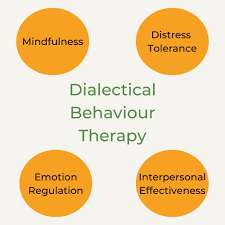
The management of sleep disorders seeks to identify underlying causes preventing restful sleep and implement personalized interventions promoting healthy sleep habits essential for overall well-being.
ANXIETY DISORDER TREATMENT
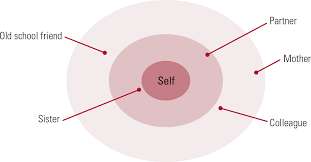
Anxiety disorders encompass a range of conditions characterized by excessive worry that disrupts normal functioning. Effective treatment focuses on controlling these overwhelming feelings through evidence-based methods.
- Syndrome characteristics & causes:The root causes can be genetic predisposition combined with environmental triggers like trauma or chronic stress exposure leading to panic attacks or generalized anxiety symptoms.
- Eliciting the diagnosis process:A comprehensive clinical evaluation is done using diagnostic criteria along with self-reported measures documenting anxiety severity levels across situations encountered by patients daily. Therapeutic modalities applied :The most common treatments involve cognitive behavioral therapy addressing fearful thought patterns supplemented occasionally by medication prescribed by psychiatrists when necessary for moderate-to-severe cases
DEPRESSION THERAPY
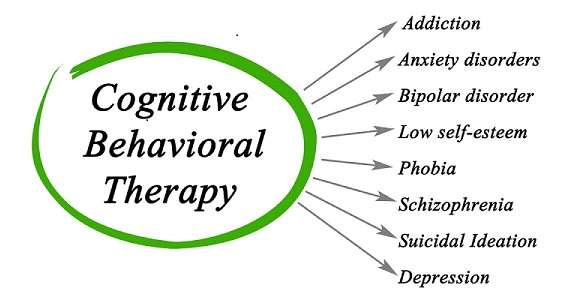
Treating depression involves understanding its multifaceted nature combining emotional symptoms with biological factors and lifestyle influences to restore mental wellness.
- Symptoms/causes: Persistent sadness, loss of interest in activities, changes in appetite or sleep patterns are hallmark features often triggered by genetics or stressful life events.
- Diagnosis: Accurate diagnosis requires thorough assessment including clinical interviews complemented by standardized depression rating scales.
- Treatment/management: Therapeutic approaches include psychotherapy modalities such as CBT or interpersonal therapy alongside possible medical referrals for medication consultation.
- What to expect:The pace varies but usually patients benefit from regular sessions involving talk therapy plus lifestyle modifications aimed at gradual symptom relief over weeks to months.
This integrative approach helps individuals regain motivation and cope better with daily challenges posed by depression symptoms.
STRESS MANAGEMENT THERAPY
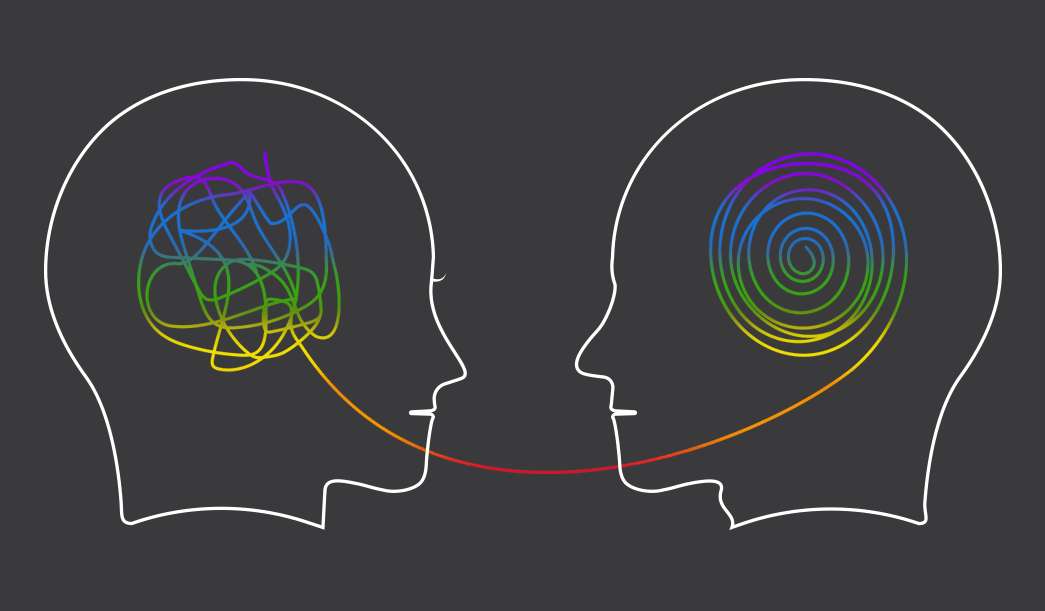
Stress management therapy aims at equipping individuals with coping mechanisms to reduce the harmful effects of chronic stress on daily life and health.
- Symptoms/causes: Stress can result from work pressure, personal conflicts, or traumatic events leading to symptoms like fatigue, irritability, or sleep disturbances.
- Diagnosis: Therapists assess stress levels using clinical interviews and validated stress assessment tools tailored for each person’s context.
- Treatment/management: Techniques include relaxation training, mindfulness meditation, time management skills, as well as cognitive restructuring strategies.
- What to expect: Clients learn personalized methods during sessions which they apply regularly outside therapy for lasting stress reduction outcomes.
An effective stress management plan improves emotional balance and prevents escalation into physical health problems when appropriately followed through.
CHILDHOOD BEHAVIORAL DISORDERS
Behavioral disorders in children can significantly impact development and family dynamics if not addressed early. These conditions require specialized therapeutic approaches tailored to young patients.
- Symptoms/causes: Common signs include impulsivity, aggression, defiance, or attention difficulties often linked with ADHD or oppositional defiant disorder.
- Diagnosis: Evaluation uses clinical interviews with parents and teachers alongside behavior rating scales designed for children.
- Treatment/management: Interventions may combine behavior modification techniques, parent training programs, and social skills development activities.
- What to expect: Progress involves gradual improvement through consistent therapy sessions and active caregiver involvement at home or school settings.
Tackling these challenges early helps promote healthier emotional growth and better social interactions as the child matures.
COGNITIVE BEHAVIORAL THERAPY (CBT)
Cognitive Behavioral Therapy (CBT) is a widely used psychological treatment focused on modifying negative thought patterns and behaviors to improve emotional well-being.
- Symptoms/causes: CBT addresses disorders such as anxiety, depression, phobias, and stress-related issues by targeting dysfunctional thoughts.
- Diagnosis: A therapist evaluates the patient's mental health through interviews and standardized questionnaires to determine suitability for CBT.
- Treatment/management: Sessions involve structured techniques including identifying cognitive distortions, behavioral experiments, and skill-building exercises.
- What to expect: Patients typically attend weekly sessions over several months, actively practicing strategies outside therapy to reinforce change.
This method empowers individuals with practical tools to manage their mental health effectively long-term.