
DR Chandra Bhan M
About Me
DR Chandra Bhan M
MD
Cardiologist
10 Years Experience
Biography
My Clinic
OPD Hours
| Monday | Morning | 10:00 AM | - | 02:00 PM |
| Evening | 06:00 PM | - | 09:00 PM | |
| Tuesday | Morning | 10:00 AM | - | 02:00 PM |
| Evening | 06:00 PM | - | 09:00 PM | |
| Wednesday | Morning | 10:00 AM | - | 02:00 PM |
| Evening | 06:00 PM | - | 09:00 PM | |
| Thursday | Morning | 10:00 AM | - | 02:00 PM |
| Evening | 06:00 PM | - | 09:00 PM | |
| Friday | Morning | 10:00 AM | - | 02:00 PM |
| Evening | 06:00 PM | - | 09:00 PM | |
| Saturday | Morning | 10:00 AM | - | 02:00 PM |
| Evening | 06:00 PM | - | 09:00 PM | |
| Sunday | Morning | 10:00 AM | - | 02:00 PM |
| Evening | 06:00 PM | - | 09:00 PM |
Treatments
Specialised care and treatments offered
IMPLANTABLE CARDIOVERTER DEFIBRILLATOR (ICD) THERAPY

An ICD is designed for primary or secondary prevention of sudden cardiac death by detecting dangerous arrhythmias early and delivering timely shocks.
TRANSCATHETER AORTIC VALVE REPLACEMENT (TAVR)
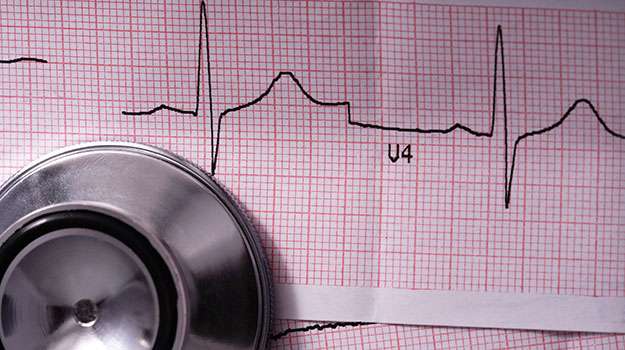
A minimally invasive alternative for treating severe aortic valve stenosis without requiring open-heart surgery. It provides relief especially for high-risk surgical patients.
- Disease characteristics/symptoms:Aortic stenosis causes chest pain, syncope episodes, dyspnea due to obstructed outflow from the left ventricle leading to hypertrophy and failure risk.
- Diagnosis confirmation:Echocardiogram reveals valve narrowing severity; computed tomography evaluates anatomy for device sizing prior to TAVR planning.
CARDIAC RESYNCHRONIZATION THERAPY (CRT)
This advanced pacing technique treats certain types of heart failure where the ventricles do not contract synchronously. It improves pumping efficiency significantly.
- Causative factors/symptoms: Patients suffer from fatigue, fluid retention, and shortness of breath due to ventricular dyssynchrony in heart failure stages II-IV.
- Assessment methods: ECG parameters like QRS duration combined with echocardiographic measures guide CRT eligibility assessment.
- Treatment procedure: Implantation of a specialized pacemaker device that coordinates left and right ventricular contractions simultaneously enhances cardiac output.
- Treatment impact: Leads to symptom improvement, better exercise capacity, fewer hospitalizations, and enhanced survival rates in appropriately selected patients.
VALVE REPLACEMENT SURGERY
Surgical valve replacement addresses severe malfunction of heart valves that impair blood flow. It can be life-saving in advanced valvular disease cases.
- Causes/Symptoms: Valve stenosis or regurgitation leads to fatigue, breathlessness, palpitations, and swelling due to impaired cardiac function.
- Diagnostic tools: Echocardiography assesses valve structure and function; cardiac catheterization may be used for detailed evaluation.
- Surgical treatment: Diseased valve is replaced with either mechanical or biological prosthetic valves via open-heart surgery or minimally invasive techniques.
- Lifestyle post-surgery: Includes anticoagulation management when required, routine monitoring, and gradual return to activities under guidance.
This surgery restores effective blood flow dynamics improving symptoms and preventing further cardiac damage from valve defects.
ELECTROPHYSIOLOGICAL STUDY AND CATHETER ABLATION
This specialized diagnostic and therapeutic procedure targets abnormal heart rhythms that arise from electrical system disorders. It is vital for managing complex arrhythmias.
- Symptoms/Causes: Palpitations, dizziness, fainting caused by tachyarrhythmias such as atrial fibrillation or ventricular tachycardia.
- Diagnostic process: Involves intracardiac electrical mapping via catheters inserted through veins into the heart chambers.
- Treatment modality: Catheter ablation uses energy to destroy small areas of tissue responsible for triggering abnormal rhythms.
- Expected outcomes: Many experience long-term arrhythmia control and reduced reliance on medications after successful ablation.
This procedure is minimally invasive with a focus on precision targeting of arrhythmic foci to improve quality of life.
CORONARY ANGIOPLASTY AND STENTING
The procedure to open narrowed or blocked coronary arteries significantly improves blood flow to the heart muscle. It is commonly performed in patients with coronary artery disease.
- Symptoms and causes: Chest pain (angina), shortness of breath, or heart attack due to atherosclerosis causing arterial blockages.
- Diagnosis: Confirmed through coronary angiography using contrast dye and X-rays to visualize artery narrowing.
- Treatment approach: Involves inserting a balloon catheter to widen the artery, often followed by placing a stent to keep it open.
- Post-procedure care: Includes medications such as antiplatelets, lifestyle changes, and regular cardiac follow-ups.
This intervention offers rapid symptom relief and reduces risk of heart attacks by restoring adequate blood supply through affected vessels.