
Dr Charu Mishra
About Me
Dr Charu Mishra
MBBS
General Physician
Biography
My Clinic
OPD Hours
| Monday | Morning | 10:00 AM | - | 02:00 PM |
| Evening | 06:00 PM | - | 09:00 PM | |
| Tuesday | Morning | 10:00 AM | - | 02:00 PM |
| Evening | 06:00 PM | - | 09:00 PM | |
| Wednesday | Morning | 10:00 AM | - | 02:00 PM |
| Evening | 06:00 PM | - | 09:00 PM | |
| Thursday | Morning | 10:00 AM | - | 02:00 PM |
| Evening | 06:00 PM | - | 09:00 PM | |
| Friday | Morning | 10:00 AM | - | 02:00 PM |
| Evening | 06:00 PM | - | 09:00 PM | |
| Saturday | Morning | 10:00 AM | - | 02:00 PM |
| Evening | 06:00 PM | - | 09:00 PM | |
| Sunday | Morning | 10:00 AM | - | 02:00 PM |
| Evening | 06:00 PM | - | 09:00 PM |
Treatments
Specialised care and treatments offered
DIABETES MELLITUS
This chronic condition affects how your body processes glucose (sugar), leading potentially serious health complications if not effectively managed. Recognizing diabetes early assists in maintaining health over time!
- Main signs include increased thirst/hunger urination frequency alongside unexplained weight loss or fatigue signals blood sugar irregularities occurring in the body’s metabolism process!
- You’ll undergo screening through fasting blood glucose tests along with A1C measures which provide feedback regarding control levels across preceding months!
- Management predominantly encompasses lifestyle changes encompassing nourishing meal planning plus coordinated physical activity—possibly complemented with insulin therapy/prescription medications according individual needs!
- Catching issues early allows patients enjoy healthy future while minimizing adverse effects resulting high blood sugar levels effectively!
Embracing education surrounding diabetes empowers patients direct their health choices confidently towards proactive pathways!
PNEUMONIA

Pneumonia is an inflammatory condition affecting the lungs that can result from infections caused by bacteria or viruses. It requires immediate medical attention as it can lead to serious complications if untreated.
- The most common symptoms include persistent cough producing phlegm or pus, shortness of breath, chest pain during breathing or coughing, fever with chills, and fatigue.
- The diagnosis often involves physical examinations paired with imaging studies like chest X-rays alongside laboratory tests for sputum analysis if indicated.
- Treatment varies based on severity: antibiotics are prescribed for bacterial pneumonia while viral pneumonia may require supportive care only. Hospitalization might be necessary for severe cases involving difficulty breathing or low oxygen levels.
A prompt evaluation by a healthcare provider is essential for anyone experiencing pneumonia symptoms to ensure appropriate care is received swiftly.
URINARY TRACT INFECTION (UTI)

A urinary tract infection occurs when bacteria invade any part of the urinary system. UTIs are prevalent among all age groups but are notably more common in women due to anatomical differences.
- Key symptoms include a burning sensation during urination, frequent urge to urinate with little output, cloudy urine, or pelvic discomfort.
- An accurate diagnosis often involves urinalysis and urine culture tests that help identify the causative organisms.
- Treatment typically includes antibiotics tailored to the specific bacteria identified in tests; drinking plenty of fluids can also aid recovery.
- If left untreated, UTIs can escalate into more severe conditions like kidney infections; therefore timely intervention is crucial.
Pursuing treatment at the onset of UTI symptoms promotes effective relief and prevents further complications.
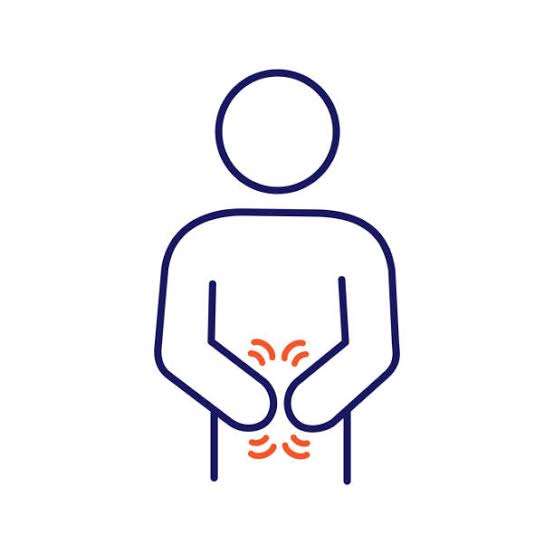
GASTROENTERITIS
This condition refers to the inflammation of the stomach and intestines caused by infections or irritants. Symptoms often arise quickly and can disrupt daily life significantly due to their sudden onset.
- Main symptoms include diarrhea, vomiting, abdominal pain, and fever; dehydration is a significant concern especially in severe cases.
- The diagnosis generally relies on patient history and symptom assessment; stool tests may be conducted for specific pathogens if needed.
- Treatment focuses on rehydration through fluids; anti-nausea medications might be prescribed depending on severity.
- Mild cases usually resolve within a few days with proper care at home; however, it's critical to monitor for worsening symptoms that require medical attention.
A prompt response to these symptoms can help ensure quicker recovery from gastroenteritis.
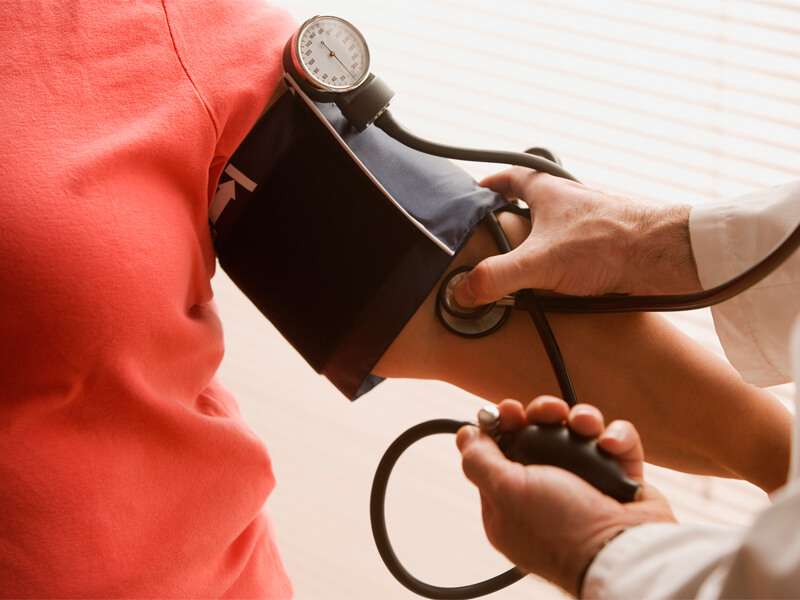
HYPERTENSION (HIGH BLOOD PRESSURE)
Hypertension is often called the 'silent killer' because it usually has no noticeable symptoms but can lead to serious health issues. Proper management is crucial for preventing complications like heart disease or stroke.
- Common causes include genetics, poor diet, lack of exercise, obesity, and stress.
- A healthcare professional diagnoses hypertension through regular blood pressure readings; sometimes additional tests are needed to assess heart health.
- Treatment options range from lifestyle changes—such as diet modifications and increased physical activity—to prescription medications.
- Regular monitoring is essential for maintaining optimal blood pressure levels and making necessary adjustments in treatment.
Managing hypertension effectively can significantly reduce health risks and improve overall quality of life.
ACUTE BRONCHITIS
Acute bronchitis is a common respiratory illness that results from inflammation of the bronchial tubes. This condition often follows a viral infection, leading to symptoms such as coughing and mucus production.
- Symptoms include persistent cough, wheezing, chest discomfort, and sometimes fever.
- The diagnosis typically involves a physical examination, listening to lung sounds, and may include chest X-rays to rule out pneumonia.
- Treatment mostly focuses on relieving symptoms with rest, hydration, and over-the-counter medications; in some cases, bronchodilators may be prescribed.
- Most people recover within a few weeks, though the cough may linger longer.
Understanding acute bronchitis can help you recognize when to seek medical advice and manage your symptoms effectively.