
Dr Chetan A Sejpal
About Me
Dr Chetan A Sejpal
General Physician
Biography
My Clinic
OPD Hours
| Tuesday | Morning | 10:00 AM | - | 02:00 PM |
| Evening | 06:00 PM | - | 09:00 PM | |
| Wednesday | Morning | 10:00 AM | - | 02:00 PM |
| Evening | 06:00 PM | - | 09:00 PM | |
| Thursday | Morning | 10:00 AM | - | 02:00 PM |
| Evening | 06:00 PM | - | 09:00 PM | |
| Friday | Morning | 10:00 AM | - | 02:00 PM |
| Evening | 06:00 PM | - | 09:00 PM | |
| Saturday | Morning | 10:00 AM | - | 02:00 PM |
| Evening | 06:00 PM | - | 09:00 PM | |
| Sunday | Morning | 10:00 AM | - | 02:00 PM |
| Evening | 06:00 PM | - | 09:00 PM | |
| Thursday | Morning | 10:00 AM | - | 02:00 PM |
| Evening | 06:00 PM | - | 09:00 PM |
Treatments
Specialised care and treatments offered
THYROID DISORDERS
The thyroid gland plays a pivotal role in regulating metabolism through hormone production. Disorders such as hypothyroidism or hyperthyroidism can lead to systemic imbalances requiring careful evaluation and management.
- Symptoms of Hypothyroidism: Fatigue, cold intolerance, weight gain, and depression are common signs indicating insufficient hormone production.
ASTHMA MANAGEMENT
Asthma is a chronic respiratory condition that causes inflammation and narrowing of airways leading to difficulty breathing. Awareness and management are crucial for maintaining normal activities.
- Symptoms: Symptoms can vary but typically include wheezing, coughing (especially at night), chest tightness, and shortness of breath during physical activity or sleep.
- Causes: Asthma triggers can be allergens such as pollen or dust mites; irritants including smoke and strong odors; or respiratory infections that exacerbate the condition.
- Diagnosis: Diagnosis involves assessment via patient history and lung function tests such as spirometry to determine airflow limitations caused by asthma.
- Treatment Options: Treatment may involve inhaled corticosteroids for long-term control along with bronchodilators for quick relief during an asthma attack.
- What to Expect: Managing asthma effectively allows individuals to live healthy lives with fewer exacerbations when adhering to prescribed medication regimens.
A proactive approach in recognizing triggers ensures better asthma control and improved quality of life over time.
DIABETES MELLITUS MANAGEMENT

Diabetes mellitus encompasses various metabolic disorders characterized by high blood sugar levels due to inadequate insulin production or action. Effective management is paramount in preventing complications.
- Symptoms: Common symptoms include increased thirst, frequent urination, extreme fatigue, and blurred vision. Individuals might notice slow-healing wounds or frequent infections as well.
- Causes: Type 1 diabetes results from autoimmune destruction of insulin-producing cells, while Type 2 often arises from lifestyle factors and genetics affecting insulin sensitivity.
- Diagnosis: Testing involves fasting blood glucose and HbA1c levels to evaluate average blood sugar over time.
- Treatment Options: Management strategies include dietary planning, regular exercise, oral medications for Type 2 diabetes, and insulin injections as needed for Type 1 patients.
- What to Expect: Continuous monitoring of blood sugar levels will guide treatment adjustments to maintain optimal health.
A comprehensive approach involving healthcare providers ensures the best outcomes for those living with diabetes mellitus.
HYPERTENSION MANAGEMENT

Hypertension, or high blood pressure, is a common yet serious condition that can lead to significant health issues if not properly managed. It often develops over many years and can exist without noticeable symptoms, making regular check-ups vital.
- Symptoms: Many individuals with hypertension may experience headaches, shortness of breath, or nosebleeds; however, these symptoms often do not occur until the condition has reached a severe stage.
- Causes: Factors contributing to hypertension include age, genetics, obesity, lack of physical activity, high sodium intake, and excessive alcohol consumption.
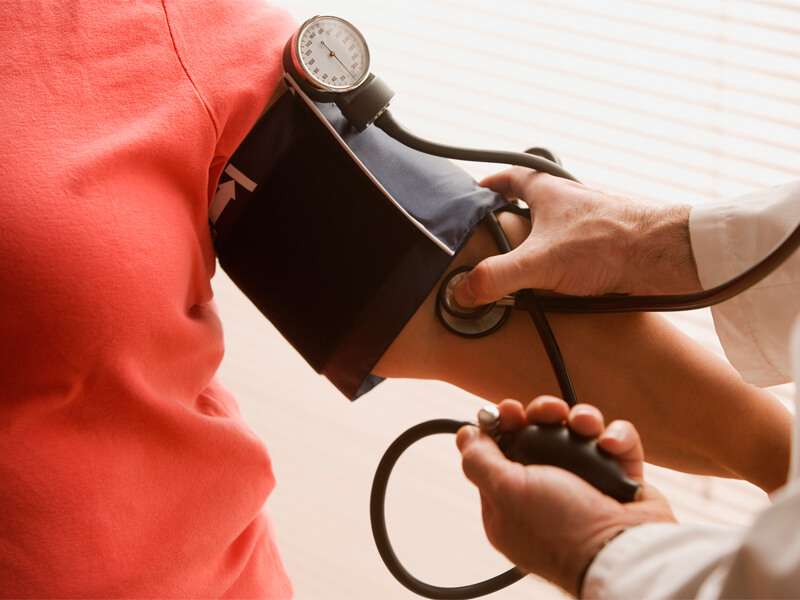
- Diagnosis: Blood pressure is measured using a sphygmomanometer. Consistent readings above 130/80 mmHg typically indicate hypertension.
- Treatment Options: Management includes lifestyle modifications such as dietary changes and increased physical activity. Medications like diuretics or ACE inhibitors may also be prescribed.
- What to Expect: Regular monitoring is crucial to ensure your blood pressure remains within a healthy range. Tailored treatment plans may be necessary for optimal management.
Caring for hypertension is essential in preventing more severe cardiovascular conditions. Early intervention can greatly improve quality of life.