
Dr Chetan Oberoi
About Me
Dr Chetan Oberoi
Dermatologist
Biography
My Clinic
OPD Hours
| Tuesday | Morning | 10:00 AM | - | 02:00 PM |
| Evening | 06:00 PM | - | 09:00 PM | |
| Wednesday | Morning | 10:00 AM | - | 02:00 PM |
| Evening | 06:00 PM | - | 09:00 PM | |
| Thursday | Morning | 10:00 AM | - | 02:00 PM |
| Evening | 06:00 PM | - | 09:00 PM | |
| Friday | Morning | 10:00 AM | - | 02:00 PM |
| Evening | 06:00 PM | - | 09:00 PM | |
| Saturday | Morning | 10:00 AM | - | 02:00 PM |
| Evening | 06:00 PM | - | 09:00 PM | |
| Sunday | Morning | 10:00 AM | - | 02:00 PM |
| Evening | 06:00 PM | - | 09:00 PM | |
| Thursday | Morning | 10:00 AM | - | 02:00 PM |
| Evening | 06:00 PM | - | 09:00 PM |
Treatments
Specialised care and treatments offered
SKIN CANCER SCREENING
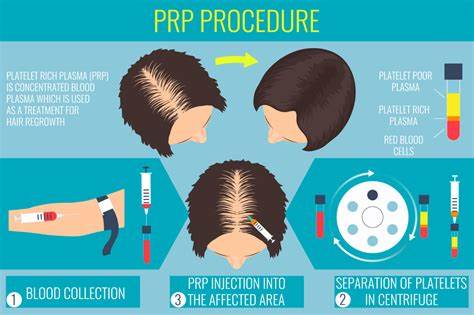
A proactive approach towards early detection plays crucial roles regarding successful management outcomes related unregulated cell growth forming malignancies within layers beneath surfaces observable externally referred popularly as Skin Cancers occurring frequently concerning populations regularly exposed intense solar radiation & other carcinogenic substances continually affecting them respectively!
- < strong Symptoms:
ROSACEA
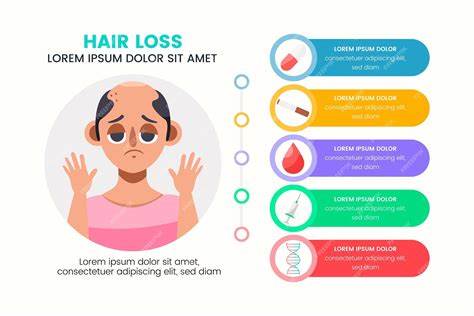
This chronic inflammatory skin disorder most commonly affects facial areas characterized by persistent redness accompanied occasionally with visible blood vessels. Understanding triggers helps manage symptoms effectively effectively improving one's overall appearance over time creating greater self-esteem levels among patients afflicted by rosacea!
- Symptoms: Key indicators encompass facial flushing episodes coupled with small bumps resembling acne sometimes leading towards discomfort owing sensitivity variations too prevalent across diverse settings regularly faced daily< .
- < strong ^ Causes: While etiology remains unclear various external/internal factors provoke flare-ups ranging from sun exposure humidity extremes spicy food consumption hot beverages stress challenges etc directly impacting individual experiences throughout their journey dealing diligently combating these conditions< . < b^ ) Answers simplifying complexities surrounding managing life profoundly inspiring resilience practicing good habits ensuring healthier lifestyles positively influencing wellness journeys< . < usability : “To boost confidence enrich one\’s journey arm individuals so they feel comfortable expressing,” amidst their striving endeavors confidently embodying togetherness through enjoyable thriving experiencesıyor!< , @ * ” } ] } }
CONTACT DERMATITIS
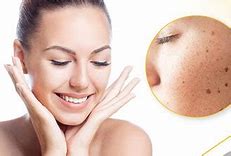
This inflammatory reaction occurs when the skin comes into contact with irritants or allergens. It can manifest as red rashes or blisters depending on the individual response to exposure levels over time.
- Symptoms: Common indicators are redness at contact points coupled with swelling prone towards itching – potentially leading towards pain if left untreated.
- Causes: Contact dermatitis arises mainly due either direct contact (irritant type) involving harsh soaps/chemicals used repeatedly OR allergenic substances triggering immune responses upon exposure (allergic type).
- Diagnosis: Dermatologists often rely on patient history reviews alongside physical examinations assessing potential causative agents behind reactions experienced.
- Treatment options: Treatment typically includes avoiding identified triggers while administering topical steroids for inflammation relief alongside antihistamines easing itching sensations associated thereof.
- What to expect: Most cases resolve significantly once allergen elimination occurs; however recurrence remains possible without long-term preventive measures implemented properly aligning lifestyle changes ensuring enhanced quality living.
Addressing any concerning irritation promptly diminishes risks elevating debilitating complications arising from negligence in skincare practices daily.
ECZEMA (ATOPIC DERMATITIS)
Eczema is a chronic condition characterized by inflamed, itchy skin. It often appears in childhood but can persist into adulthood. Managing eczema involves understanding triggers to alleviate flare-ups effectively.
- Symptoms: Symptoms often include dry patches of itchy skin that may become red or swollen and sometimes lead to oozing blisters during flare-ups.
- Causes: Eczema can be triggered by allergens such as dust mites or pet dander; it may also be linked to genetic factors affecting the skin barrier function.
- Diagnosis: Diagnosis is usually based on physical examination signs rather than specific laboratory tests unless secondary infections develop might require further evaluation.
- If well-managed through lifestyle modifications alongside treatment plans from a healthcare provider's recommendations greatly decreases irritation bouts.
Finding an appropriate regimen dedicatedly assists individuals coping with eczema throughout life positively.
PSORIASIS
This chronic autoimmune condition accelerates skin cell production leading to thickened patches of red skin covered with silvery scales. Psoriasis can be both physically uncomfortable and emotionally challenging.
- Symptoms: Common symptoms include dry patches of skin that may crack or bleed, itching or burning sensations, and thickened nails.
- Causes: The exact cause is unknown; however, genetic factors and environmental triggers like stress or infections play significant roles.
- Diagnosis: Diagnosis typically involves a visual examination of the affected areas alongside a medical history review.
- Treatment options: Treatments range from topical treatments (like corticosteroids) to phototherapy and systemic medications for more severe cases.
- What to expect: While there’s no cure for psoriasis, effective management strategies can significantly control symptoms over time.
A comprehensive approach is essential for optimal results in managing this lifelong condition.
ACNE VULGARIS
Acne vulgaris is a common skin condition that primarily affects teenagers and young adults. It occurs when hair follicles become clogged with oil and dead skin cells, leading to the development of pimples, blackheads, and cysts.
- Symptoms: Typical signs include whiteheads, blackheads, papules, pustules, and sometimes deeper nodules on the face, back, and shoulders.
- Causes: Hormonal changes, excess oil production, certain medications, and bacteria can contribute to acne formation.
- Diagnosis: A dermatologist can diagnose acne through a physical examination and by discussing your medical history.
- Treatment options: Management may include topical retinoids, benzoyl peroxide, oral antibiotics, or hormonal therapies for hormonal-related acne.
- What to expect: Treatment duration varies; consistent care can reduce outbreaks and improve skin appearance over time.
Early intervention is key to preventing scarring and maintaining healthy skin.