
Dr Chetan P Shah
About Me
Dr Chetan P Shah
Cardiologist
Biography
My Clinic
OPD Hours
| Tuesday | Morning | 10:00 AM | - | 02:00 PM |
| Evening | 06:00 PM | - | 09:00 PM | |
| Wednesday | Morning | 10:00 AM | - | 02:00 PM |
| Evening | 06:00 PM | - | 09:00 PM | |
| Thursday | Morning | 10:00 AM | - | 02:00 PM |
| Evening | 06:00 PM | - | 09:00 PM | |
| Friday | Morning | 10:00 AM | - | 02:00 PM |
| Evening | 06:00 PM | - | 09:00 PM | |
| Saturday | Morning | 10:00 AM | - | 02:00 PM |
| Evening | 06:00 PM | - | 09:00 PM | |
| Sunday | Morning | 10:00 AM | - | 02:00 PM |
| Evening | 06:00 PM | - | 09:00 PM | |
| Thursday | Morning | 10:00 AM | - | 02:00 PM |
| Evening | 06:00 PM | - | 09:00 PM |
Treatments
Specialised care and treatments offered
CHOLESTEROL MANAGEMENT
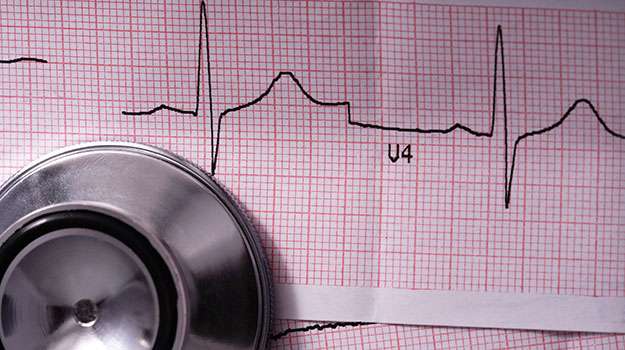
High cholesterol levels are linked with numerous cardiovascular diseases. Managing cholesterol is vital for maintaining overall cardiovascular health and preventing conditions such as coronary artery disease (CAD).
- Elevated cholesterol typically presents no obvious symptoms; hence it's crucial to have regular screenings starting from young adulthood onwards every few years based on risk factors present within an individual’s health profile
ATRIAL FIBRILLATION

Atrial fibrillation (AFib) is an irregular heartbeat that can increase your risk of stroke and other complications. It may occur sporadically or be persistent over time requiring careful clinical attention for management.
- Sufferers might experience palpitations, dizziness, chest discomfort, or even fainting spells without any prior warning signs at times.
- The diagnosis often includes electrocardiograms (EKG) that monitor heart rhythm alongside other assessments for underlying factors contributing to AFib episodes.
- Treatment options vary from lifestyle adjustments through weight loss programs to anticoagulants preventing clot formation; some patients might require ablation procedures if other treatments are ineffective.
- Persistent monitoring helps tailor medication dosages for optimal control of heart rate rhythms post-diagnosis
- Evolving innovations ensure effective strategies for managing AFib thus reducing potential health risks associated with it significantly
HEART FAILURE
Heart failure is a condition where the heart cannot pump sufficiently to maintain blood flow to meet the body’s needs. It is manageable but requires ongoing care and adjustment of treatment plans over time.
- Main symptoms include severe fatigue, swelling in the legs or abdomen, coughing or wheezing, particularly when lying down.
- The diagnosis generally involves medical history reviews alongside tests like echocardiograms that assess heart structure and function.
- Treatment focuses on lifestyle changes such as reducing salt intake and fluid restriction alongside medications like beta-blockers or ACE inhibitors that help improve heart efficiency.
- Pacing activities according to energy levels while ensuring frequent medical review aids in effective symptom management.
- This chronic condition necessitates a partnership with healthcare providers for successful long-term outcomes.
A well-coordinated approach enables patients living with heart failure to manage their symptoms effectively while maintaining an active lifestyle.
CORONARY ARTERY DISEASE
Coronary artery disease (CAD) occurs when the arteries supplying blood to the heart become narrowed or blocked due to plaque buildup. This can lead to serious cardiovascular events such as heart attacks.
- Commonly reported symptoms include chest pain (angina), fatigue, and shortness of breath during physical activity or stress.
- Diagnosis is usually confirmed through tests like ECGs, stress testing, or coronary angiography which visualize blood flow in the heart's arteries.
- Treatment may involve lifestyle modifications, medications for cholesterol management, or interventional procedures such as angioplasty and stenting.
- Ongoing care includes regular follow-ups to assess heart function and adjust treatments as needed.
- A proactive approach significantly enhances quality of life and minimizes risks associated with CAD.
Through comprehensive management strategies, patients can lead a full life while effectively controlling their condition.
HYPERTENSION
Hypertension, commonly known as high blood pressure, is a chronic condition that can lead to serious health issues if not managed properly. It often develops over many years and may go unnoticed until complications arise.
- Common symptoms include headaches, shortness of breath, and nosebleeds, though many individuals experience no symptoms at all.
- Diagnosis typically involves measuring blood pressure during routine check-ups with a sphygmomanometer on multiple occasions.
- Treatment options include lifestyle changes such as diet and exercise, along with medications like diuretics or ACE inhibitors.
- Regular monitoring is essential to keep blood pressure within a healthy range and to adjust treatment as necessary.
- Patients can expect ongoing management which promotes overall heart health and reduces risk of heart disease or stroke.
By staying informed and adhering to prescribed therapies, individuals can effectively manage hypertension and enjoy a healthier life.