
Dr Chetan Prabhakar Shah
About Me
Dr Chetan Prabhakar Shah
Cardiologist
Biography
My Clinic
OPD Hours
| Tuesday | Morning | 10:00 AM | - | 02:00 PM |
| Evening | 06:00 PM | - | 09:00 PM | |
| Wednesday | Morning | 10:00 AM | - | 02:00 PM |
| Evening | 06:00 PM | - | 09:00 PM | |
| Thursday | Morning | 10:00 AM | - | 02:00 PM |
| Evening | 06:00 PM | - | 09:00 PM | |
| Friday | Morning | 10:00 AM | - | 02:00 PM |
| Evening | 06:00 PM | - | 09:00 PM | |
| Saturday | Morning | 10:00 AM | - | 02:00 PM |
| Evening | 06:00 PM | - | 09:00 PM | |
| Sunday | Morning | 10:00 AM | - | 02:00 PM |
| Evening | 06:00 PM | - | 09:00 PM | |
| Thursday | Morning | 10:00 AM | - | 02:00 PM |
| Evening | 06:00 PM | - | 09:00 PM |
Treatments
Specialised care and treatments offered
VALVULAR HEART DISEASE

This group comprises disorders affecting one or more valves within the heart impacting normal blood flow patterns through varied mechanisms either by stenosis (narrowing) or regurgitation (leakage). An understanding fosters better engagement during consultation discussions around potential therapeutic interventions available customized respectively based upon unique presentations faced daily among diverse populations!
- Symptoms might range widely depending upon valve involvement presenting atypically such as fatigue coupled eitherwith difficulty breathing especially during exertion activities typically common manifestations arising directly impacting day-to-day functionality overall while living lives impacted heavily by poor cardiac efficiency experienced consistently across varying life cycles!
- Diagnostic evaluations combine echocardiography alongside clinical examinations determining severity levels tailored precisely targeting interventions chosen accordingly);
- Management approaches frequently require initial recommendations involving modified activity routines before considering more invasive strategies like surgical repairs/replacements should indicated criteria establish urgency priorities determined mutually assessed taking into account individualized contextual factors informing suitable action pathways pursued collaboratively engaging expertise networks deliverable options actively explored upon progressing stages encountered throughout chronic disease trajectories pursuing towards favorable prognosis outcomes possible )!
Consulting qualified specialists ensures correct identification followed by appropriate tailored solutions enabling optimal health maintenance regarding this prevalent concern globally facing innumerable individuals daily confronted challenges while navigating complex issues surrounding cardiovascular functioning affected intricately being closely monitored continuously maintaining sustainable pathways engaged toward healthier futures ahead proactively focusing delivery excellence empowering patient lives considerably contributing societal benefits long run!
CORONARY ARTERY DISEASE
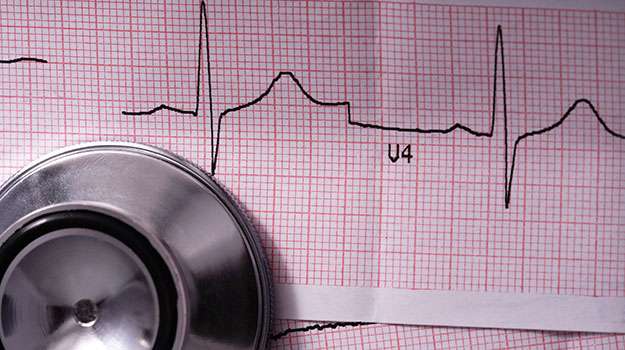
This progressive disease occurs when plaque builds up inside the coronary arteries, narrowing them over time. It significantly increases the risk of heart attacks and requires proactive management strategies for effective control and prevention of further complications.
- Main symptoms include chest pressure during activity; however, many individuals might experience no early signs at all until experiencing more severe incidents.
- An initial diagnosis relies primarily on imaging studies along with stress tests evaluating how your heart performs under physical strain conditions correlated against symptom reports provided by patients themselves during clinical assessments incredibly enhance diagnostic accuracy!
The treatment pathway typically encompasses lifestyle alteration initiatives aimed at minimizing risk factors combined alongside pharmacotherapy like statins that stabilize plaque formation within arteries over time while surgical revascularization possibilities exist for those requiring immediate interventions as appropriate based upon individual medical circumstances guiding entire decision-making processes throughout care delivery journeys undertaken collaboratively between clinicians/healthcare providers along every step available towards patient-centered objectives aimed ultimately toward improved cardiovascular wellness!
HYPERTENSION
Hypertension, or high blood pressure, is often referred to as a 'silent killer' due to its lack of noticeable symptoms until significant damage has occurred. Early detection and management are key components in preventing cardiovascular complications associated with this condition.
- This condition can cause sudden headaches, nosebleeds, or visual changes though these are rare; most people remain asymptomatic until complications arise.
- A consistent pattern of elevated readings taken during office visits contributes to an accurate diagnosis through various assessments including home monitoring techniques.
- Treatment options often begin with lifestyle adjustments followed by antihypertensive medications when necessary to achieve target blood pressures effectively.
Sustained management reduces risks associated with prolonged hypertension while fostering a healthier lifestyle enhances overall well-being dramatically over time. Regular follow-up appointments ensure continued success in controlling blood pressure levels effectively over time for optimal health outcomes!
ARRHYTHMIA
An arrhythmia refers to an irregular heartbeat that may be harmless or indicate an underlying health issue. Awareness of this condition aids individuals in seeking timely care when necessary.
- The most common symptoms include palpitations, dizziness, and fainting spells; some may experience no symptoms at all.
- A detailed review of medical history along with ECG monitoring assists in diagnosing this condition accurately.
- Treatment can range from lifestyle changes to medications that regulate heart rhythm; advanced cases may require procedures such as ablation or pacemaker placement.
- PATIENTS are encouraged to maintain regular check-ups for ongoing evaluation of their arrhythmia status and treatment efficacy.
Your healthcare provider will collaborate with you on a management plan tailored specifically for your situation based on the type of arrhythmia diagnosed.
HEART FAILURE
Heart failure is a chronic condition where the heart cannot pump blood effectively, leading to fluid buildup in the lungs and other tissues. Understanding its complexities is vital for patients to manage their health effectively.
- This condition may present with symptoms like fatigue, swelling in the legs, and persistent coughing or wheezing.
- A thorough assessment including physical exams and imaging tests helps confirm the diagnosis.
- Treatment involves lifestyle modifications, medications such as diuretics, and sometimes device implantation to assist heart function.
- Regular monitoring is essential to adjust treatment plans based on symptom progression and response.
- The goal of management is not just symptom relief but also enhancing overall quality of life through education and self-management strategies.
A comprehensive approach can empower individuals living with heart failure to lead fulfilling lives despite their diagnosis.
ACUTE MYOCARDIAL INFARCTION
Acute Myocardial Infarction (AMI), commonly known as a heart attack, occurs when blood flow to a part of the heart is blocked. This condition demands immediate medical attention as it can lead to severe complications or death. Recognizing the symptoms early can make a significant difference in outcomes.
- Symptoms include chest pain, shortness of breath, and discomfort in other areas like the arms or back.
- Diagnosis typically involves an electrocardiogram (ECG) and blood tests to identify cardiac enzymes.
- Treatment options can include medications, lifestyle changes, and invasive procedures like angioplasty or coronary artery bypass grafting.
- Management may require long-term medication adherence and regular follow-ups.
- Patients can expect a tailored rehabilitation program post-discharge to support recovery.
Timely intervention is crucial for improving survival rates and quality of life following Acute Myocardial Infarction.