
Dr Chetanya Gupt
About Me
Dr Chetanya Gupt
DO
Ophthalmologist
10 Years Experience
Biography
My Clinic
OPD Hours
| Monday | Morning | 10:00 AM | - | 02:00 PM |
| Evening | 06:00 PM | - | 09:00 PM | |
| Tuesday | Morning | 10:00 AM | - | 02:00 PM |
| Evening | 06:00 PM | - | 09:00 PM | |
| Wednesday | Morning | 10:00 AM | - | 02:00 PM |
| Evening | 06:00 PM | - | 09:00 PM | |
| Thursday | Morning | 10:00 AM | - | 02:00 PM |
| Evening | 06:00 PM | - | 09:00 PM | |
| Friday | Morning | 10:00 AM | - | 02:00 PM |
| Evening | 06:00 PM | - | 09:00 PM | |
| Saturday | Morning | 10:00 AM | - | 02:00 PM |
| Evening | 06:00 PM | - | 09:00 PM | |
| Sunday | Morning | 10:00 AM | - | 02:00 PM |
| Evening | 06:00 PM | - | 09:00 PM |
Treatments
Specialised care and treatments offered
VISION THERAPY CONSULTATION
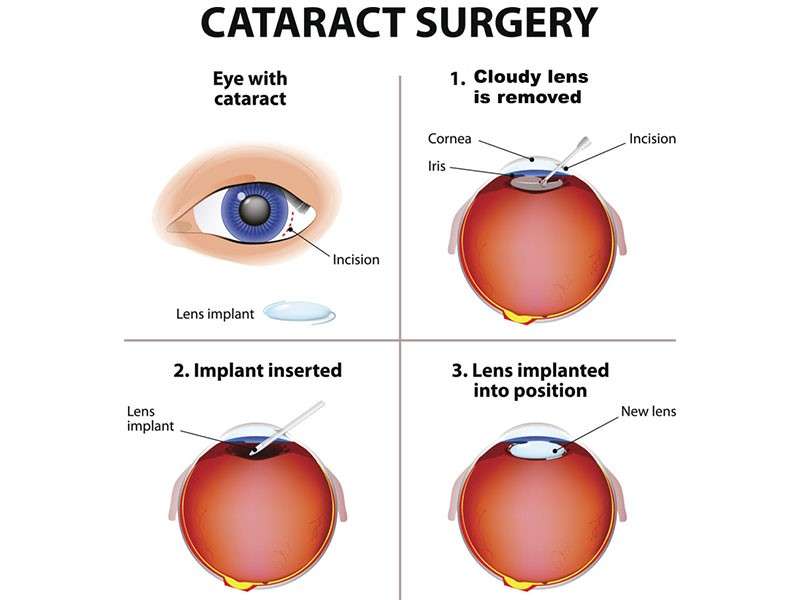
Vision therapy is a personalized treatment program aimed at improving visual skills through guided exercises. This multidisciplinary approach can benefit individuals with various visual dysfunctions
.- Conditions often treated include binocular vision disorders like convergence insufficiency which leads to difficulty focusing on near objects.
- Diagnosis typically involves extensive assessments evaluating coordination between both eyes along with depth perception analysis.
- Therapeutic intervention might involve specialized eyewear, exercises targeting perceptual skills or even computer-aided training sessions designed specifically for each patient’s needs.
- Progress tracking through regular evaluations ensures therapies are meeting set goals effectively over time.
- Consultations will aim at explaining not only expected timelines but also strategies you can adopt at home!
Incorporating these therapies into daily routines opens possibilities towards enhanced performance across multiple tasks!
RETINAL DETACHMENT DIAGNOSIS
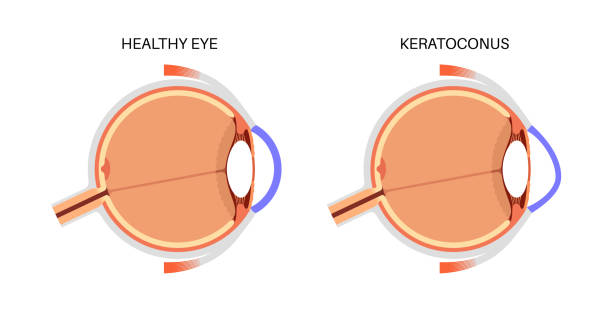
A retinal detachment occurs when the retina separates from its underlying tissue. Quick diagnosis and treatment are essential to prevent permanent vision loss!
- Symptoms often present as sudden flashes of light, floaters in the field of vision, or a shadow obscuring part of sight.
- The diagnostic process generally involves a detailed dilated exam coupled with imaging techniques such as ultrasound if needed.
- Options for management primarily involve surgical procedures like vitrectomy or scleral buckle procedures depending on severity.
- Following surgery, expect regular follow-up appointments to ensure optimal healing and monitor for any complications.
- Identifying signs early greatly increases chances for successful restoration of sight after detachment.
Acting swiftly upon noticing symptoms could make all the difference!
CATARACT EVALUATION
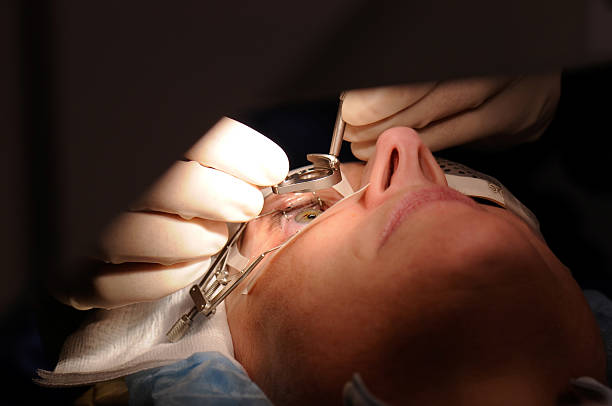
Cataracts occur when the lens of the eye becomes cloudy, impacting vision clarity. Timely evaluation is important for effective management.
- The initial signs often include blurred or dimmed vision along with increased sensitivity to glare or difficulty seeing at night.
- A comprehensive assessment includes visual acuity tests alongside slit-lamp examination to evaluate cataract severity.
- Surgical intervention typically becomes necessary when cataracts significantly impair daily activities; this procedure replaces the cloudy lens with an artificial one.
- Pain relief and excellent post-operative care contribute significantly to a successful recovery after surgery.
- Your provider will discuss expected outcomes based on your unique situation during consultations regarding cataract surgery options.
This important evaluation sets you on a path toward clearer vision once again!
DIABETIC RETINOPATHY SCREENING
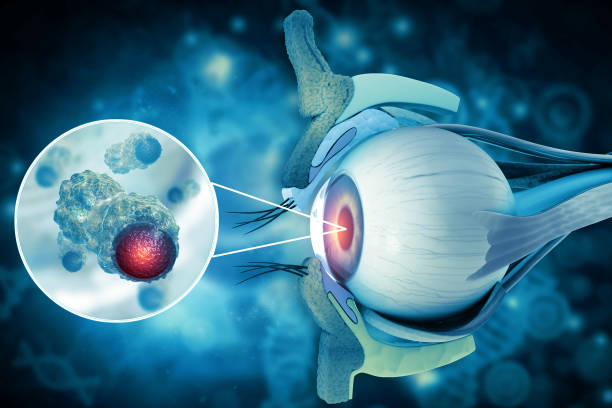
Diabetic retinopathy is an eye condition that affects people with diabetes. Regular screening is essential for prevention and early treatment.
- Symptoms may include fluctuating vision or dark spots while reading; however, many individuals experience no early symptoms at all.
- Dilated fundus exams are crucial for diagnosing diabetic retinopathy along with angiography if required.
- If detected, treatments could range from laser therapy to injections depending on severity.
- Mild cases may be managed by closely monitoring blood sugar levels and regular eye examinations to prevent progression.
- You can expect detailed guidance on managing diabetes as it relates to your eye health during screenings.
This proactive approach can safeguard your eyesight against this common complication of diabetes!
GLAUCOMA ASSESSMENT
Glaucoma is a group of eye diseases leading to damage of the optic nerve. Early detection is key to preserving sight.
- Symptoms may be subtle but can include peripheral vision loss and halos around lights.
- The condition is diagnosed through pressure measurements of the eye, visual field tests, and examination of the optic nerve.
- Treatment typically includes prescription eye drops that lower intraocular pressure or surgical interventions in advanced cases.
- Management might require regular monitoring to check for disease progression or changes in treatment effectiveness.
- Anticipate a thorough assessment and management plan tailored to your specific situation if glaucoma is suspected.
Effective management of glaucoma can prevent significant vision loss with timely intervention.
COMPREHENSIVE EYE EXAM
A comprehensive eye exam is crucial for maintaining eye health and detecting conditions early. This thorough evaluation assesses both vision and overall eye health.
- Common symptoms indicating the need for an exam include blurred vision, eye strain, and frequent headaches.
- Diagnosis usually involves various tests including visual acuity measurement and retinal examination.
- Treatment options may include corrective lenses, medication, or referrals to specialists if necessary.
- Regular exams can help in managing chronic conditions such as diabetes or hypertension that affect the eyes.
- Expect a detailed report on your vision health and recommendations for follow-ups or treatments.
Overall, staying proactive about eye examinations helps in early diagnosis of potential issues, ensuring better outcomes.