
Dr Chitra Soni R
About Me
Dr Chitra Soni R
MD
Internal Medicine
Biography
My Clinic
OPD Hours
| Monday | Morning | 10:00 AM | - | 02:00 PM |
| Evening | 06:00 PM | - | 09:00 PM | |
| Tuesday | Morning | 10:00 AM | - | 02:00 PM |
| Evening | 06:00 PM | - | 09:00 PM | |
| Wednesday | Morning | 10:00 AM | - | 02:00 PM |
| Evening | 06:00 PM | - | 09:00 PM | |
| Thursday | Morning | 10:00 AM | - | 02:00 PM |
| Evening | 06:00 PM | - | 09:00 PM | |
| Friday | Morning | 10:00 AM | - | 02:00 PM |
| Evening | 06:00 PM | - | 09:00 PM | |
| Saturday | Morning | 10:00 AM | - | 02:00 PM |
| Evening | 06:00 PM | - | 09:00 PM | |
| Sunday | Morning | 10:00 AM | - | 02:00 PM |
| Evening | 06:00 PM | - | 09:00 PM |
Treatments
Specialised care and treatments offered
THYROID DISORDER EVALUATION
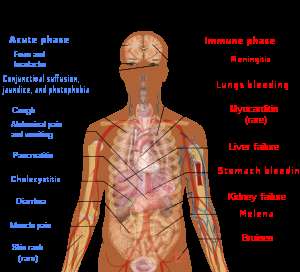
Your thyroid gland plays a crucial role in regulating metabolism; hence any disorders could impact various body functions. Being aware of these conditions assists in timely intervention measures.
- Symptoms: Symptoms vary widely but may include weight fluctuations, fatigue, mood changes, and temperature intolerance depending on whether it's hypothyroidism or hyperthyroidism.
- Diagnosis: Blood tests measuring thyroid hormones (TSH & T4) provide insight into thyroid function status.
- Treatment Options: Medication therapies often stabilize hormone levels while radioactive iodine therapy might be indicated in certain cases like hyperthyroidism.
- Diet Considerations: Incorporating selenium & iodine-rich foods supports thyroid health while avoiding excessive goitrogens found in some raw vegetables may be necessary too.
ANEMIA EVALUATION
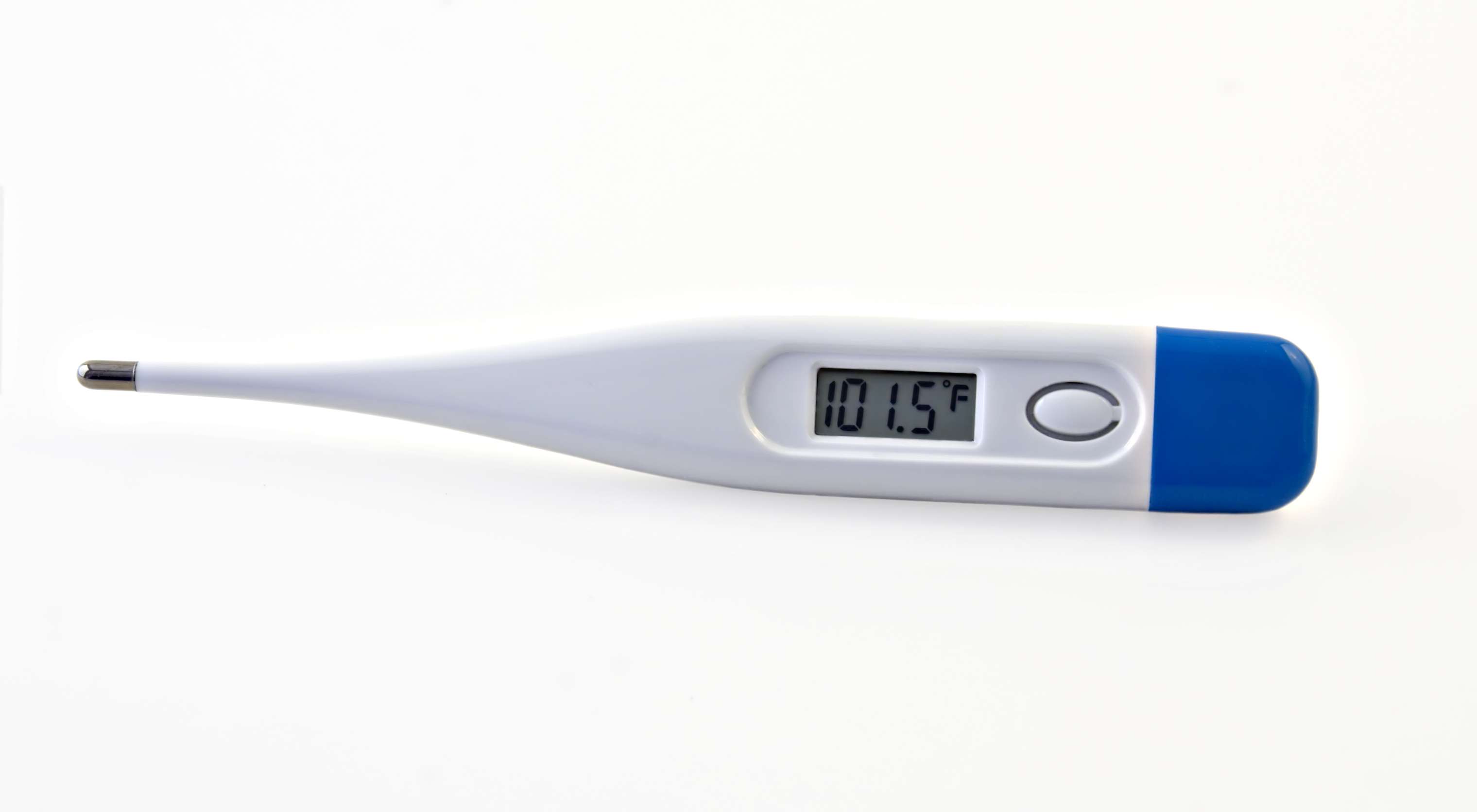
Anemia is a condition where you lack enough healthy red blood cells to carry adequate oxygen throughout your body. It’s important to identify the underlying cause early on for effective treatment.
- Symptoms: Common symptoms include fatigue, weakness, pale skin, and shortness of breath upon exertion.
- Diagnosis: Blood tests such as complete blood count (CBC) reveal hemoglobin levels indicating anemia’s presence.
- Treatment Options: Depending on the cause; iron supplements for iron deficiency anemia or vitamin B12 injections may be recommended.
- Managing Anemia: Dietary improvements including iron-rich foods play a key role in recovery along with treating underlying conditions if present.
- Ongoing Care: Regular check-ups are essential for monitoring hemoglobin levels during treatment phases.
Early detection not only improves outcomes but also enhances overall well-being significantly when dealing with anemia.
GASTROESOPHAGEAL REFLUX DISEASE (GERD)
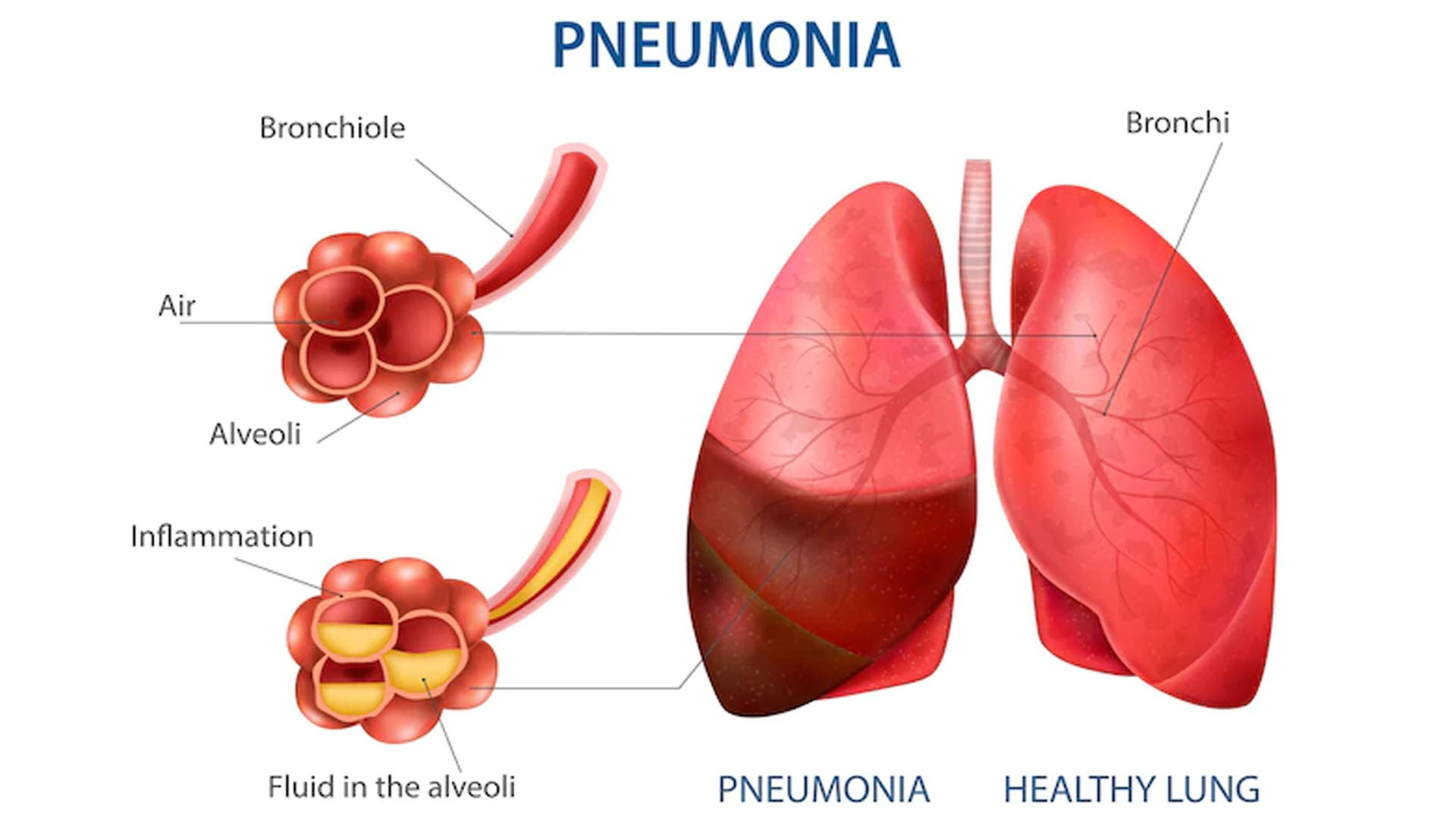
This chronic digestive condition occurs when stomach acid frequently flows back into the esophagus. It's characterized by symptoms that affect daily life but can be managed effectively with appropriate care.
- Symptoms: Common signs include heartburn, regurgitation of food or sour liquid, difficulty swallowing, and chronic cough.
- Diagnosis: A healthcare provider may recommend an endoscopy or pH testing for accurate assessment.
- Treatment: Treatment options range from lifestyle changes like dietary adjustments to medications that decrease acid production or antacids.
- Long-Term Management: Maintaining a healthy weight and avoiding trigger foods helps minimize episodes of reflux.
- What You Can Expect: Most patients see significant improvement in symptoms with proper adherence to recommended therapies.
By understanding GERD better, you can take significant steps toward improving your quality of life.
CHOLESTEROL MANAGEMENT
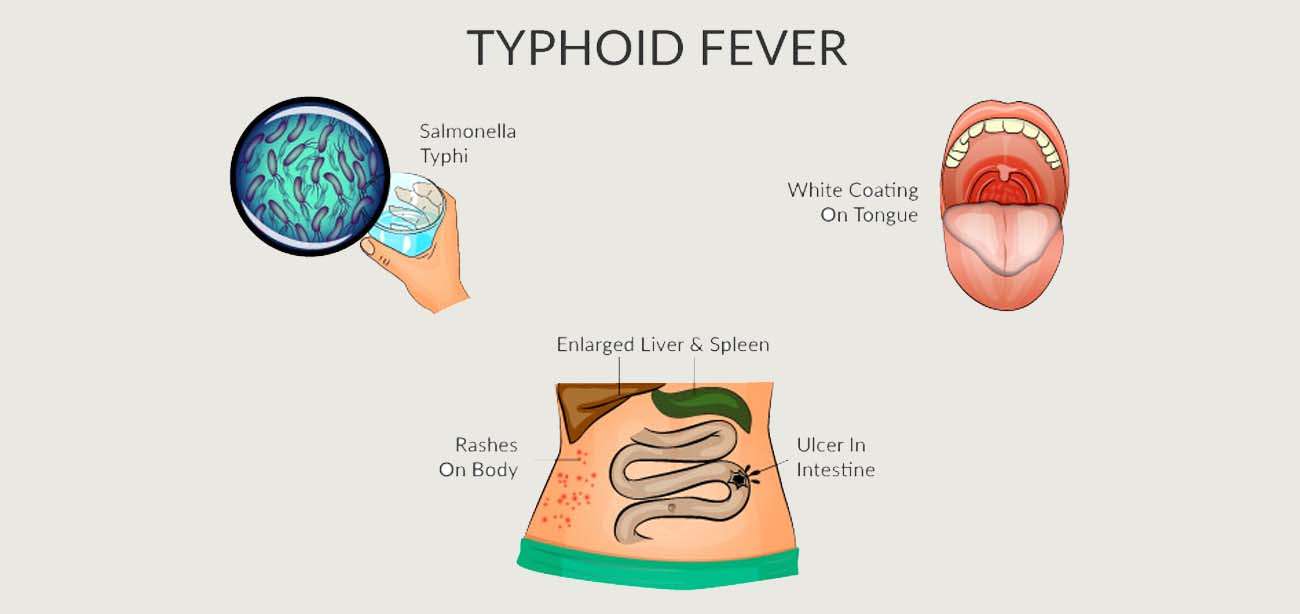
Elevated cholesterol levels can lead to cardiovascular diseases if not managed properly. Understanding your cholesterol profile is crucial for long-term heart health.
- Symptoms: High cholesterol typically does not cause noticeable symptoms; thus screening is vital for early detection.
- Diagnosis: A simple lipid panel test will reveal total cholesterol, LDL (bad), HDL (good), and triglycerides levels in your bloodstream.
- Treatment Options: Lifestyle changes like incorporating healthy fats in your diet can be effective alongside medications such as statins if needed.
- Caring for Your Heart: Regular exercise significantly contributes to lowering bad cholesterol while increasing good cholesterol levels.
- The Importance of Monitoring: Routine tests are important for tracking changes and adjusting treatment strategies accordingly.
A proactive approach enables individuals to maintain healthy cholesterol levels and minimize cardiovascular risks effectively.
DIABETES MELLITUS MANAGEMENT
Diabetes is a chronic condition that affects how the body processes glucose, leading to high blood sugar levels. It requires diligent management to prevent complications related to heart health, vision, and more.
- Symptoms: Patients may experience increased thirst, frequent urination, fatigue, and blurred vision as indicators of diabetes.
- Diagnosis: Blood tests measuring fasting glucose levels or hemoglobin A1c provide essential information for diagnosis.
- Treatment: Management includes lifestyle modifications alongside medications such as insulin or oral hypoglycemics when necessary.
- Coping Strategies: Monitoring blood sugar regularly helps manage the condition effectively while maintaining a balanced diet is crucial.
- Aim for Control: Adhering to prescribed regimens allows patients to lead fulfilling lives without significant disruptions from diabetes.
The right management approach can turn diabetes into a controllable aspect of your life.
HYPERTENSION MANAGEMENT
Hypertension, commonly known as high blood pressure, is a condition that can lead to serious health issues if left untreated. It often goes unnoticed due to a lack of prominent symptoms, making regular monitoring essential.
- Symptoms: Many individuals may not experience symptoms; however, some may report headaches, dizziness, or nosebleeds.
- Diagnosis: Blood pressure readings taken during routine exams or through home monitoring can help diagnose this condition.
- Treatment: Lifestyle changes such as diet and exercise are critical, along with medications like diuretics or ACE inhibitors as needed.
- Management: Regular follow-ups and adjustments to treatment plans will ensure optimal control over blood pressure levels.
- What to Expect: With proper management, most individuals can maintain healthy blood pressure and reduce their risk of serious complications.
Timely intervention and ongoing care are key components in managing hypertension effectively.