
Dr Chitra Sundar
About Me
Dr Chitra Sundar
Cardiologist
Biography
My Clinic
OPD Hours
| Monday | Morning | 10:00 AM | - | 02:00 PM |
| Evening | 06:00 PM | - | 09:00 PM | |
| Tuesday | Morning | 10:00 AM | - | 02:00 PM |
| Evening | 06:00 PM | - | 09:00 PM | |
| Wednesday | Morning | 10:00 AM | - | 02:00 PM |
| Evening | 06:00 PM | - | 09:00 PM | |
| Thursday | Morning | 10:00 AM | - | 02:00 PM |
| Evening | 06:00 PM | - | 09:00 PM | |
| Friday | Morning | 10:00 AM | - | 02:00 PM |
| Evening | 06:00 PM | - | 09:00 PM | |
| Saturday | Morning | 10:00 AM | - | 02:00 PM |
| Evening | 06:00 PM | - | 09:00 PM | |
| Sunday | Morning | 10:00 AM | - | 02:00 PM |
| Evening | 06:00 PM | - | 09:00 PM |
Treatments
Specialised care and treatments offered
AORTIC ANEURYSM

An aortic aneurysm occurs when there is a localized enlargement within the wall of the aorta—one of the body’s major arteries. If diagnosed early it can be managed effectively; however if left untreated it poses serious risks including rupture which could be life-threatening!
- Common symptoms may remain absent until sudden rupture occurs; when present they might comprise back pain or abdominal discomfort.
- Diagnosis requires imaging studies like ultrasounds or CT scans providing clear insights into size & shape dimensioning what next actions need factoring-in during treatment planning..
- Treatment approaches vary based primarily upon size: smaller aneurysms may only require monitoring while larger ones frequently necessitate surgical intervention (stenting or open surgery).
- Post-operative follow-up care remains critical ensuring recovery progresses safely minimizing recurrence chances along rehabilitation journey after surgery completion .
- Focused awareness about personal family history coupled with regular medical assessments fosters proactive preventive measures against future incidences altogether securing long-term viability objectives !
A collaborative effort involving continued patient engagement helps reinforce health outcomes while facilitating access pathways enabling prompt action whenever deemed necessary!
CHOLESTEROL MANAGEMENT
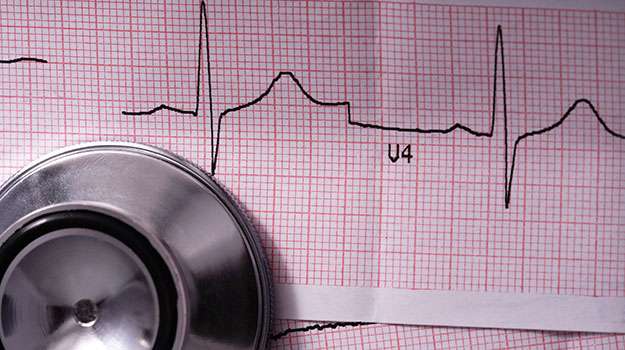
Managing cholesterol levels is essential for maintaining cardiovascular health. Elevated cholesterol contributes significantly to atherosclerosis, where fatty deposits accumulate in arterial walls leading towards CAD. Awareness of your cholesterol levels ensures timely intervention when needed.
- High cholesterol often has no symptoms; thus regular testing is key for early detection.
- The assessment typically involves a simple blood test called a lipid panel which measures various types of cholesterol.
- Management can encompass lifestyle alterations such as diet improvements focusing on reducing saturated fats alongside prescribed medications like statins when necessary.
- Ongoing evaluation allows healthcare providers to make informed decisions regarding treatment adjustments tailoring them towards an individual's changing health profile.
- Achieving healthy cholesterol levels significantly reduces risks associated with cardiovascular diseases down the line.
An active approach towards managing cholesterol promotes not just longevity but also enhances overall well-being among patients striving towards healthier lives.
ARRHYTHMIAS
Arrhythmias involve irregularities in the heartbeat that can have various origins. These conditions may be harmless but sometimes indicate more serious issues requiring immediate attention. Understanding arrhythmias is vital for optimal cardiac health management.
- Common symptoms include palpitations, dizziness, chest discomfort, or fainting spells depending on severity.
- The diagnosis generally involves electrocardiograms (ECGs) which help in mapping out electrical activity in the heart.
- Treatment options vary widely from lifestyle changes for mild cases to advanced therapies such as catheter ablation for more severe arrhythmias.
- A good management plan might also include medication adjustments based on individual responses over time.
- Regular follow-ups are critical in ensuring that any potential complications are monitored closely.
Treatment success often hinges on patient education regarding recognizing symptoms early and understanding when to seek help.
HEART FAILURE
Heart failure is a condition where the heart cannot pump sufficient blood to meet the body's needs. This can result from various underlying conditions, including coronary artery disease or high blood pressure. It’s crucial for patients to recognize the signs early for effective management.
- Persistent symptoms include shortness of breath during activities, fatigue, swelling in legs or abdomen, and rapid heartbeat.
- The diagnostic process may involve echocardiograms, MRIs, or stress tests to assess heart function accurately.
- Treatment usually encompasses medications aimed at improving heart function and lifestyle modifications such as low-sodium diets and daily exercise routines.
- Patients are encouraged to engage regularly with their healthcare provider for tailored guidance on managing their symptoms effectively.
- A proactive approach combined with adherence to treatment plans can significantly enhance quality of life for those living with this chronic illness.
An informed patient is better equipped to manage their condition optimally through collaboration with healthcare professionals.
HYPERTENSION (HIGH BLOOD PRESSURE)
Hypertension is often referred to as a 'silent killer' because it typically exhibits no obvious symptoms while causing significant damage over time. This condition can lead to serious health issues if left unmanaged, including heart disease and stroke.
- The primary causes of hypertension include being overweight, lack of physical activity, poor diet, excessive alcohol consumption, and genetic factors.
- A diagnosis is usually made through routine blood pressure measurements performed during medical exams.
- Treatment focuses on lifestyle modifications such as increased exercise and dietary changes along with medications if necessary.
- Regular monitoring of blood pressure is essential for managing this ongoing health issue effectively.
- Understanding personal risk factors enables better management strategies tailored to individual needs.
With effective treatment plans in place, patients can maintain healthy blood pressure levels and reduce their risk of related complications.
CORONARY ARTERY DISEASE
Coronary Artery Disease (CAD) is a condition that affects the arteries supplying blood to the heart. It occurs when these arteries become narrowed or blocked due to plaque buildup, leading to reduced blood flow and oxygen to the heart muscle.
- Symptoms may include chest pain, shortness of breath, fatigue, and in severe cases, heart attacks.
- Diagnosis often involves tests like electrocardiograms, stress tests, and angiograms to visualize blockages.
- Treatment options range from lifestyle changes and medications to procedures such as angioplasty or bypass surgery.
- Management includes regular check-ups and monitoring risk factors like hypertension and cholesterol levels.
- Patients can expect ongoing care with a focus on heart-healthy habits to prevent further complications.
An effective approach can significantly enhance quality of life and longevity for those affected by this condition.