
Dr Chokshi
About Me
Dr Chokshi
Pediatrician
Biography
My Clinic
OPD Hours
| Tuesday | Morning | 10:00 AM | - | 02:00 PM |
| Evening | 06:00 PM | - | 09:00 PM | |
| Wednesday | Morning | 10:00 AM | - | 02:00 PM |
| Evening | 06:00 PM | - | 09:00 PM | |
| Thursday | Morning | 10:00 AM | - | 02:00 PM |
| Evening | 06:00 PM | - | 09:00 PM | |
| Friday | Morning | 10:00 AM | - | 02:00 PM |
| Evening | 06:00 PM | - | 09:00 PM | |
| Saturday | Morning | 10:00 AM | - | 02:00 PM |
| Evening | 06:00 PM | - | 09:00 PM | |
| Sunday | Morning | 10:00 AM | - | 02:00 PM |
| Evening | 06:00 PM | - | 09:00 PM | |
| Thursday | Morning | 10:00 AM | - | 02:00 PM |
| Evening | 06:00 PM | - | 09:00 PM |
Treatments
Specialised care and treatments offered
EAR INFECTIONS

Ear infections are particularly prevalent in young children due to their developing immune systems. They occur when germs infect the middle ear leading to painful inflammation.
- Symptoms may include pulling at the ears , fever , irritability , difficulties sleeping ,and fluid drainage from the ear .
- Diagnosis usually requires examination by a pediatrician who will look for signs of fluid buildup behind the eardrum .
- Treatment typically involves antibiotics if it’s bacterial ; otherwise pain relievers could help alleviate discomfort .
- Close observation is key—most kids recover fully without complications but some might require frequent medical attention .
Understanding how ear infections develop helps parents take preventive measures while ensuring prompt treatment leads healthy outcomes for kids experiencing this common issue.
PNEUMONIA

Pneumonia is an infection that inflames the air sacs in one or both lungs. It can be caused by various pathogens including bacteria, viruses, or fungi affecting children differently based on age group.
- Common signs include fever, cough with phlegm production, difficulty breathing, fatigue, and chest pain during coughing or breathing deeply.
- A pediatrician will evaluate symptoms through physical examinations and may recommend chest X-rays or lab tests for confirmation of pneumonia type.
- Treatment varies depending on the cause; bacterial pneumonia often requires antibiotics while viral cases are managed symptomatically at home.
- It’s important to monitor your child’s recovery closely; follow-up visits might be necessary to ensure proper healing.
With timely care intervention pneumonia can usually be treated effectively allowing your child back to their normal activities quickly.
ECZEMA (ATOPIC DERMATITIS)

Eczema is a common skin condition among children characterized by itchy and inflamed skin. The exact cause isn't fully understood but involves genetic predisposition along with environmental factors.
- This condition typically presents as red, dry patches on the skin that may weep or crust over during flare-ups.
- Diagnosis usually involves observing the skin's appearance combined with patient history regarding allergies or irritants.
- Treatment focuses on keeping the skin moisturized using emollients while avoiding known triggers such as certain soaps or fabrics.
- Corticosteroid creams may be prescribed during severe flare-ups for quicker relief of inflammation.
Eczema can often improve significantly over time with appropriate management strategies in place.
CHILDHOOD OBESITY
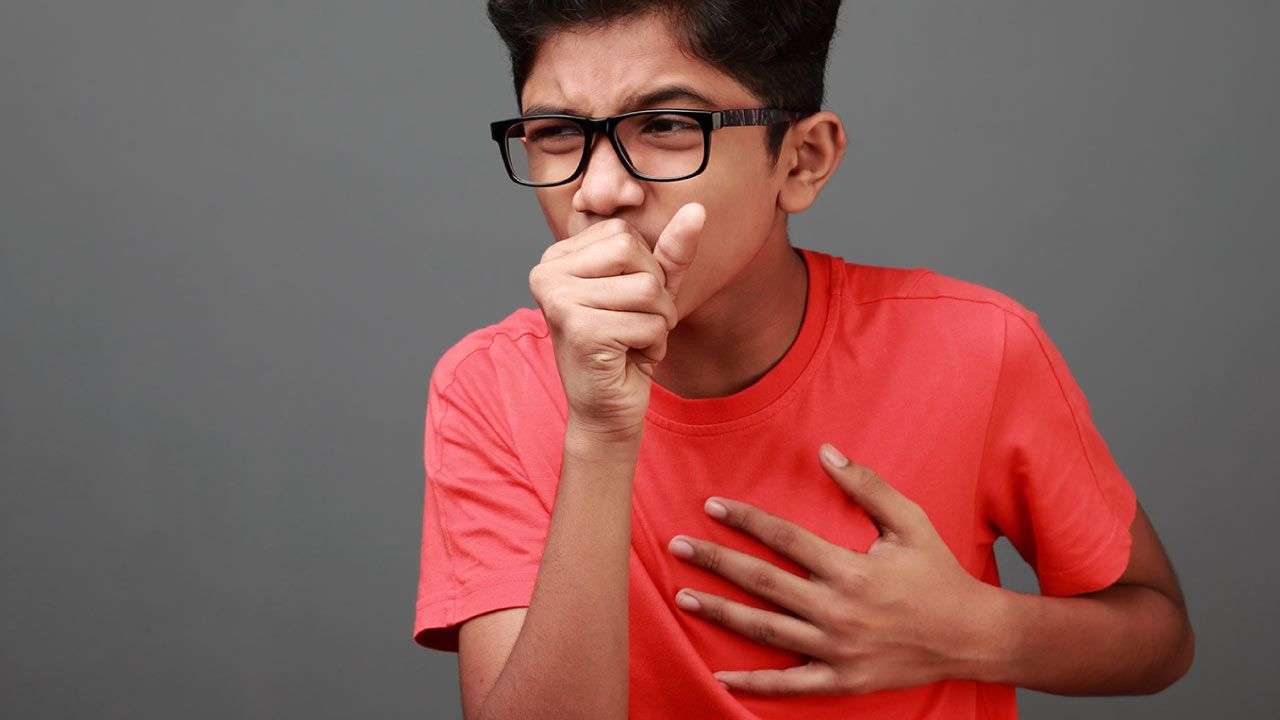
Childhood obesity has become a significant public health concern affecting children's long-term health. It occurs when a child has excess body fat that poses risks to their health.
- The main causes include poor diet choices high in sugars and fats along with low physical activity levels.
- Symptoms may not always be visible; however, weight-for-age percentiles can indicate obesity when evaluated by a pediatrician.
- Treatment often involves nutritional education, encouraging physical activity, and behavior modification strategies tailored to the child's needs.
- It's also essential for families to engage in healthier habits together to promote better lifestyle choices at home.
A supportive environment fosters positive changes that help combat childhood obesity effectively.
ATTENTION DEFICIT HYPERACTIVITY DISORDER (ADHD)
ADHD is a behavioral disorder commonly diagnosed in childhood. Children with ADHD may have difficulty focusing, controlling impulses, and managing their energy levels.
- Symptoms typically include lack of attention, hyperactivity, and impulsivity which can affect learning and social interactions.
- A comprehensive evaluation by a healthcare provider is necessary for accurate diagnosis; this may involve questionnaires and observations from parents and teachers.
- Treatment options often include behavioral therapies, counseling, and sometimes medication to help manage symptoms.
- Regular follow-ups are crucial to adjust treatment plans as the child grows and develops.
Early intervention can significantly improve outcomes for children with ADHD, helping them thrive academically and socially.
ASTHMA
Asthma is a chronic respiratory condition that affects children of all ages. It leads to inflammation and narrowing of the airways, making it difficult to breathe.
- Common symptoms include wheezing, coughing, shortness of breath, and chest tightness.
- The causes may vary but typically involve allergens, respiratory infections, or environmental pollutants.
- Diagnosis often includes a physical exam and lung function tests like spirometry.
- Treatment can range from daily inhaled corticosteroids to quick-relief medications for acute symptoms.
- Management involves creating an asthma action plan with your healthcare provider and monitoring triggers.
With proper care, children with asthma can lead full, active lives while managing their condition effectively.