
Dr Chonkar Nandkumar Suryakant
About Me
Dr Chonkar Nandkumar Suryakant
Cardiologist
Biography
My Clinic
OPD Hours
| Tuesday | Morning | 10:00 AM | - | 02:00 PM |
| Evening | 06:00 PM | - | 09:00 PM | |
| Wednesday | Morning | 10:00 AM | - | 02:00 PM |
| Evening | 06:00 PM | - | 09:00 PM | |
| Thursday | Morning | 10:00 AM | - | 02:00 PM |
| Evening | 06:00 PM | - | 09:00 PM | |
| Friday | Morning | 10:00 AM | - | 02:00 PM |
| Evening | 06:00 PM | - | 09:00 PM | |
| Saturday | Morning | 10:00 AM | - | 02:00 PM |
| Evening | 06:00 PM | - | 09:00 PM | |
| Sunday | Morning | 10:00 AM | - | 02:00 PM |
| Evening | 06:00 PM | - | 09:00 PM | |
| Thursday | Morning | 10:00 AM | - | 02:00 PM |
| Evening | 06:00 PM | - | 09:00 PM |
Treatments
Specialised care and treatments offered
ELECTROPHYSIOLOGY STUDY

An electrophysiology study (EPS) investigates electrical pathways within the heart responsible for arrhythmias. This specialized testing aims to diagnose complex rhythm disorders accurately when other diagnostics prove inconclusive..
- Symptoms triggering referral often encompass persistent palpitations dizziness feeling faint along with sudden onset syncope episodes experienced prior suggesting potential underlying disorder(s).
- Recognized through previous evaluations ECGs holter monitors lead-up identifying dysrhythmia cases prompting further exploration where usual treatments fail yielding uncertainty surface outcomes .
- The actual procedure involves placing catheters inside various chambers around structures launching stimulation protocols inducing controlled variants capturing necessary data including location type pacing thresholds attained achieving precise mapping! Effectively illustrating current functionality!
- Subsequent options revolve around ablation techniques potentially correcting dysfunction found if warranted proceeding tailored surgical methodologies selected appropriately advantageously aligned preferences!
- Minimal discomfort anticipated where guidelines dictate restful recovery required immediately after ensuring patient safety paramount priority consideration following discharge arrangement maintained safely ongoing! >
EPS contributes tremendously toward resolving previously unclear cardiac issues transforming individualized patient hypotheses designing long-term wellness approaches successfully charted across ongoing journeys together!. Clarifying assures bolstered understanding empowering effective decision-making paths prepared ahead forth own terms !
CARDIAC CATHETERIZATION
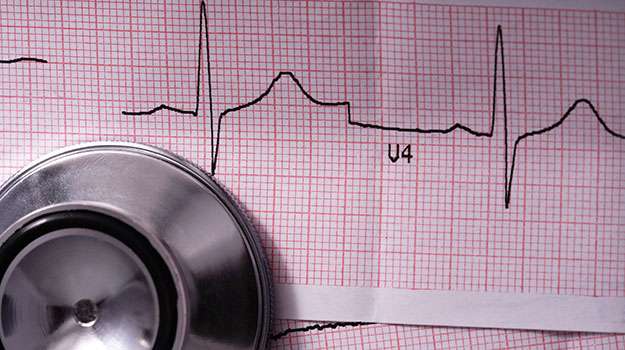
Cardiac catheterization is both a diagnostic and therapeutic procedure. Through this method, doctors can study coronary arteries closely for any blockages contributing significantly to various cardiovascular conditions observed clinically prior).
- You might experience symptoms like severe angina or acute myocardial infarction leading up until referral towards cath lab intervention recommendations arise based upon presenting complaints combined with initial EKG findings observed)...... li >Disease identification occurs post-procedure where catheters navigate through arteries using dye injections allowing visualization via x-ray imaging techniques based upon patient anatomy involved each case targeting specific areas needing assessment most critically.
- Therapeutic actions stemming from results could comprise balloon angioplasty aimed at opening narrowed sections accompanied sometimes by stent placements as warrantedbrNeighborhoods around development patients release tension reducing future instances / li >
- Pre-procedural anxiety relief typically includes calming communication before starting addressing concerns whether patients stay awake through g sedated state regardless both considered safe! / li >
Cardiac catheterizations facilitate addressing heightened cardiology concerns effectively minimizing risk factors resulting beneficially affecting comprehensive treatment pathways accordingly moving forth ensuring better outlook ahead despite implications involved ultimately adopting healthier habits navigating profiles tailored precisely long-term wellbeing!
STRESS TEST
A stress test evaluates how well your heart functions under physical stress. It helps identify potential coronary artery disease not evident at rest when symptoms occur only during activity or exercise.
- Pain or pressure in your chest when engaging in exercise could signal underlying cardiac issues requiring closer examination through this testing approach.
- The diagnosis entails exercising on a treadmill or stationary bike while under constant monitoring by healthcare professionals measuring your ECG and blood pressure responses throughout exertion levels achieved.
- If there are significant findings indicative of health risks, strategies may include lifestyle modifications along with possible medical therapy tailored specifically for you post-evaluation results analysis.
This thorough assessment provides critical insights into cardiovascular fitness helping inform necessary preventive measures against future complications and improving overall quality of life management plans moving forward!
HOLTER MONITOR
A Holter monitor is a portable device used to continuously monitor electrical activity of the heart over 24-48 hours. It assists in diagnosing arrhythmias that might not appear during standard electrocardiograms (ECGs).
- Patients often wear it when experiencing irregular heartbeats or palpitations that warrant closer observation over time.
- The diagnosis process includes attaching electrodes to your chest which connect to a small recording device worn on a belt or shoulder strap.
- This method captures data for analysis regarding heart rhythm during daily activities and sleep phases alike.
- If abnormalities are detected, treatment options may range from medication adjustments to more advanced interventions depending on severity.
- The monitor is simple to use; you'll be instructed on wearing it properly and keeping a diary of symptoms during this duration for correlation with data collected.
This effective tool greatly enhances understanding of your cardiac health in real-world settings, beyond just clinical visits.
ECHOCARDIOGRAM
An echocardiogram is an ultrasound test that provides live images of the heart, allowing doctors to evaluate its structure and function. This non-invasive procedure is essential in diagnosing various heart conditions.
- Common indications for an echocardiogram include unexplained chest pain, swelling in the legs, or abnormal heart rhythms.
- The diagnosis involves a trained technician performing the ultrasound while monitoring heart activity via ECG leads attached to your chest.
- This test assesses factors such as chamber size, valve function, and blood flow patterns within the heart.
- Management may involve medications or additional tests based on echocardiographic findings to ensure optimal care.
- Patients can expect minimal preparation before the test; it typically lasts less than an hour with no recovery time needed afterward.
Echocardiograms are vital tools that help gauge overall cardiac performance without any radiation exposure.
CORONARY ANGIOGRAPHY
Coronary angiography is a diagnostic procedure used to visualize the blood vessels of the heart. This technique helps identify blockages or narrowing in the arteries that supply blood to the heart muscle.
- Symptoms such as chest pain, shortness of breath, or fatigue may indicate underlying coronary artery disease.
- Diagnosis typically involves a combination of physical examinations and imaging tests, including stress tests and electrocardiograms (ECGs).
- The procedure is performed by inserting a catheter through an artery, usually in the groin or wrist, and using contrast dye to highlight the coronary arteries on X-ray images.
- Treatment options may include lifestyle changes, medications, or procedures like angioplasty and stenting if significant blockages are found.
- Patients can expect to remain awake during the procedure but may receive sedation for comfort; recovery time is generally short.
This imaging technique is crucial for assessing heart health and planning appropriate interventions.