
Dr CL nawal
About Me
Dr CL nawal
MD
Internal Medicine
Biography
My Clinic
OPD Hours
| Monday | Morning | 10:00 AM | - | 02:00 PM |
| Evening | 06:00 PM | - | 09:00 PM | |
| Tuesday | Morning | 10:00 AM | - | 02:00 PM |
| Evening | 06:00 PM | - | 09:00 PM | |
| Wednesday | Morning | 10:00 AM | - | 02:00 PM |
| Evening | 06:00 PM | - | 09:00 PM | |
| Thursday | Morning | 10:00 AM | - | 02:00 PM |
| Evening | 06:00 PM | - | 09:00 PM | |
| Friday | Morning | 10:00 AM | - | 02:00 PM |
| Evening | 06:00 PM | - | 09:00 PM | |
| Saturday | Morning | 10:00 AM | - | 02:00 PM |
| Evening | 06:00 PM | - | 09:00 PM | |
| Sunday | Morning | 10:00 AM | - | 02:00 PM |
| Evening | 06:00 PM | - | 09:00 PM |
Treatments
Specialised care and treatments offered
ANEMIA MANAGEMENT
Anemia occurs when there aren’t enough healthy red blood cells to carry adequate oxygen throughout your body. This condition can result from various factors such as nutritional deficiencies or chronic diseases affecting iron absorption.
- Symptoms: Fatigue, weakness,pale skin,dizziness typically indicate anemia severity needing prompt evaluation .
- Diagnosis: Blood tests that measure hemoglobin concentration help confirm anemia presence while identifying its underlying cause swiftly .
- Treatment: Addressing nutritional deficiencies through dietary changes,multivitamin supplementation & possible iron infusion therapies play essential roles .
GASTROESOPHAGEAL REFLUX DISEASE (GERD)
This chronic digestive disorder occurs when stomach acid repeatedly flows back into the esophagus. Understanding GERD helps patients manage symptoms effectively while improving quality of life through various interventions.
- Symptoms: Heartburn, regurgitation of food or sour liquid, chest pain during eating are typical complaints associated with GERD.
- Diagnosis: Physicians often conduct endoscopic examinations alongside symptom assessments for accurate diagnosis.
- Treatment: Lifestyle adjustments including avoiding trigger foods along with medications like proton pump inhibitors provide symptomatic relief for many individuals.
Managing GERD requires commitment; however, successful outcomes improve overall comfort during daily activities significantly.
HYPERLIPIDEMIA
This condition involves elevated levels of lipids (fats) in the bloodstream, increasing the risk of cardiovascular diseases. Monitoring lipid levels regularly aids in early intervention strategies for prevention.
- Symptoms: Generally asymptomatic; however, severe cases could lead to chest pain or heart attack warnings due to plaque buildup in arteries.
- Diagnosis: Lipid panels measure cholesterol types— LDL (bad) cholesterol and HDL (good) cholesterol—to assess risk factors for heart disease.
An effective approach toward lowering lipid levels fosters longer-term cardiovascular health benefits. Regular check-ups ensure maintenance of healthy lipid profiles over time
CHRONIC OBSTRUCTIVE PULMONARY DISEASE (COPD)
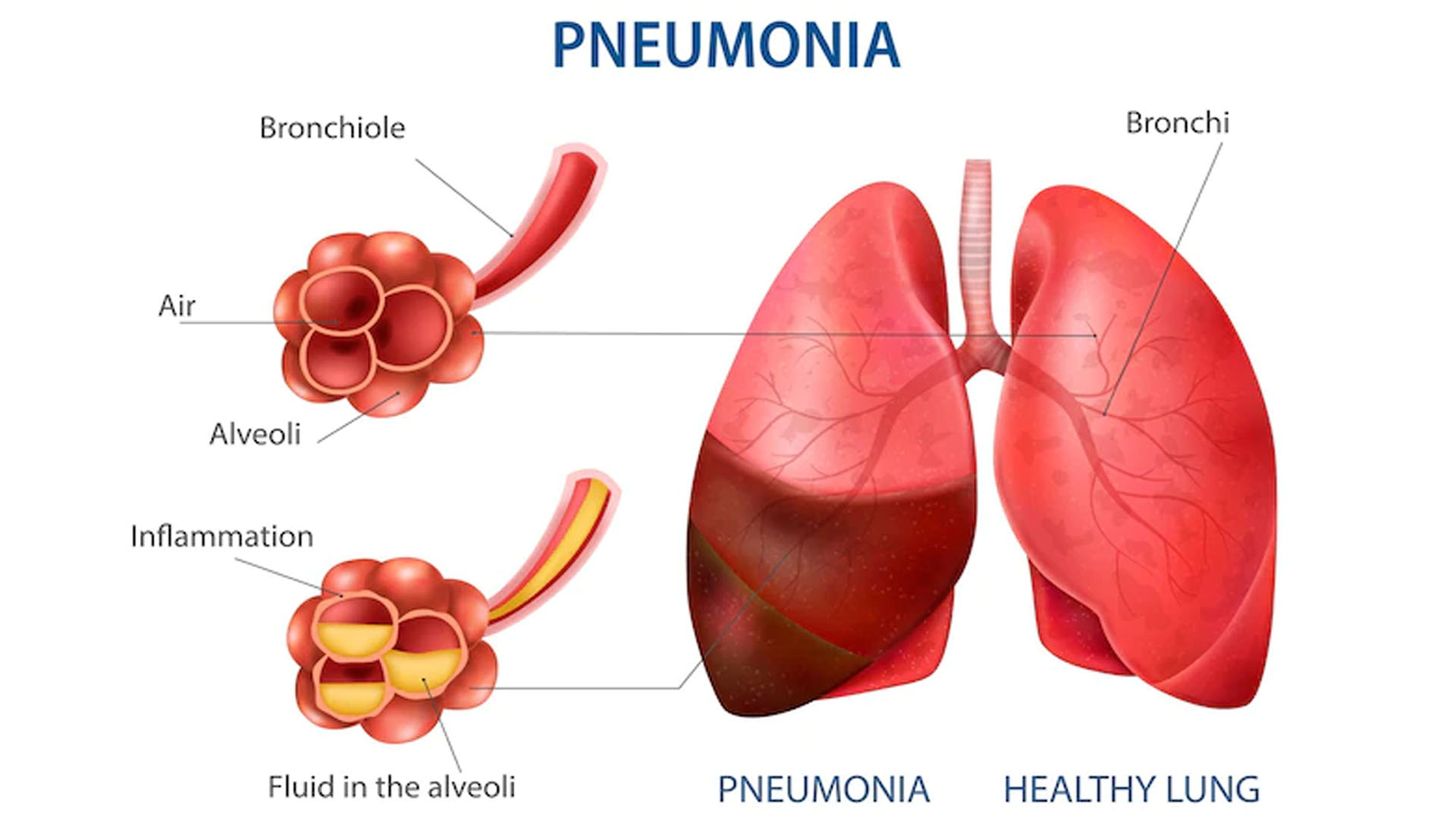
COPD is a progressive lung disease characterized by increased difficulty in breathing due to airflow blockage. This condition primarily results from long-term exposure to harmful substances like cigarette smoke or air pollutants.
- Symptoms: Common symptoms include persistent cough, wheezing, chest tightness, and shortness of breath during physical activities.
- Diagnosis: Spirometry tests measure lung function and confirm the presence of COPD while ruling out other conditions.
- Treatment: Treatment options may include inhalers (bronchodilators) that help open airways and pulmonary rehabilitation programs focusing on exercise training.
This condition requires ongoing management. With proper care strategies in place, individuals can experience improved lung function and enhanced daily living activities.
DIABETES MANAGEMENT
Diabetes is a chronic condition that affects how the body processes glucose, leading to high blood sugar levels. Managing diabetes involves a comprehensive approach that includes lifestyle modifications, monitoring, and possibly medication.
- Symptoms: Increased thirst, frequent urination, fatigue, blurred vision, and slow-healing sores are common indicators of diabetes.
- Diagnosis: Diagnosis is typically confirmed with blood tests measuring glucose levels.
- Treatment: Management strategies may involve insulin therapy or oral medications alongside dietary changes and physical activity.
- Monitoring: Regular self-monitoring of blood glucose is vital for staying within target ranges.
A well-structured diabetes management plan can lead to improved health outcomes and enhance quality of life. Engage in regular consultations to tailor your approach effectively.
HYPERTENSION
Hypertension, or high blood pressure, is a common condition that can lead to serious health complications if not managed properly. It often develops over many years and can go unnoticed for a long time. Regular monitoring is essential to keep it under control.
- Symptoms: Often silent, hypertension may manifest through headaches, shortness of breath, or nosebleeds.
- Diagnosis: Blood pressure readings taken at rest and monitored over time are crucial for diagnosis.
- Treatment: Lifestyle changes such as diet and exercise are recommended initially; medications may include diuretics or ACE inhibitors.
- Management: Regular follow-ups with healthcare providers help adjust treatment plans as necessary.
- What to expect: Many people can manage their blood pressure effectively with lifestyle changes alone or in combination with medication.
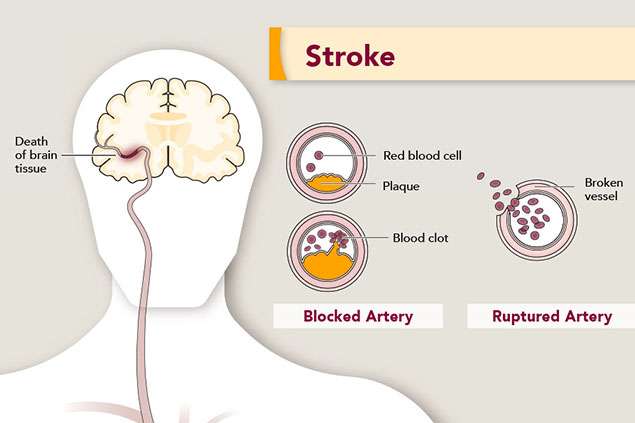
Understanding and managing hypertension can significantly reduce the risk of heart disease and stroke. Consistent monitoring and adherence to treatment plans are key to maintaining healthy blood pressure levels.