
Dr CM Vyas
About Me
Dr CM Vyas
MS
Orthopaedic Surgeons
10 Years Experience
Biography
My Clinic
OPD Hours
| Monday | Morning | 10:00 AM | - | 02:00 PM |
| Evening | 06:00 PM | - | 09:00 PM | |
| Tuesday | Morning | 10:00 AM | - | 02:00 PM |
| Evening | 06:00 PM | - | 09:00 PM | |
| Wednesday | Morning | 10:00 AM | - | 02:00 PM |
| Evening | 06:00 PM | - | 09:00 PM | |
| Thursday | Morning | 10:00 AM | - | 02:00 PM |
| Evening | 06:00 PM | - | 09:00 PM | |
| Friday | Morning | 10:00 AM | - | 02:00 PM |
| Evening | 06:00 PM | - | 09:00 PM | |
| Saturday | Morning | 10:00 AM | - | 02:00 PM |
| Evening | 06:00 PM | - | 09:00 PM | |
| Sunday | Morning | 10:00 AM | - | 02:00 PM |
| Evening | 06:00 PM | - | 09:00 PM |
Treatments
Specialised care and treatments offered
COMPLEX FRACTURE FIXATION
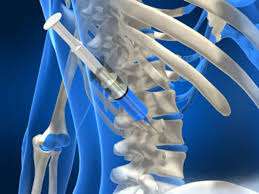
Treating complicated fractures involving multiple fragments or joints requires specialized surgical fixation techniques ensuring proper alignment for optimal healing outcomes while preserving limb function.
- Fracture Characteristics & Symptoms: Severe trauma leads to displaced bone breaks causing deformity accompanied by intense pain plus limitation in performing daily activities.
- Assessment Methods: X-rays along with CT scans provide detailed visualization enabling appropriate classification guiding fixation strategy.
- Surgical Intervention: Internal fixation devices such as plates, screws, rods stabilize bones anatomically promoting early mobilization preventing malunion/nonunion complications.
- Post-Fixation Care: Follow-up involves clinical monitoring coupled with rehabilitation programs emphasizing gradual weight-bearing progressing towards return of normal functions.
Effective complex fracture management facilitates faster functional recovery minimizing long-term disability risks inherent in poorly treated injuries.
ACL RECONSTRUCTION
An anterior cruciate ligament (ACL) tear severely affects knee stability particularly in active individuals. Surgical reconstruction replaces the torn ligament to restore function and prevent further injury.
- Causal Mechanisms & Symptoms: Sudden twisting injuries cause immediate swelling, instability sensations during weight bearing activities like running or pivoting sports movements.
- Diagnostic Approach: Physical tests alongside MRI imaging confirm the diagnosis enabling surgical planning tailored to extent of injury and patient needs.
- Surgical Details:A graft from patient's tendon (hamstring/patellar) is positioned through tunnels drilled in thighbone and shinbone replicating original ACL fiber orientation for optimal biomechanical stability.
- Postoperative Rehabilitation: Critical phase involving progressive physiotherapy focused on regaining range of motion followed by muscle strengthening exercises over several months tailored per patient response.
Timely ACL reconstruction helps prevent chronic knee instability reducing future risk of meniscal damage or arthritis development.
ROTATOR CUFF REPAIR

The rotator cuff group of muscles supports shoulder stability and movement. Tears in these tendons commonly cause pain and weakness which can be corrected surgically if needed.
- Syndrome Features & Causes: Shoulder pain worsened by overhead activity with possible weakness often results from acute injury or chronic degeneration leading to tendon tears.
- Clinical Diagnosis: Physical exams combined with ultrasound or MRI scans confirm tear location and size for planning treatment strategy.
- Treatment Techniques: Arthroscopic repair seals the torn tendon back onto bone using sutures; alternative approaches depend on tear extent and patient factors.
- Adequate Healing Expectations: Immobilization followed by graded physiotherapy ensures restoration of strength and motion over several months post-surgery.
Surgical repair can significantly improve shoulder function especially when conservative methods have failed to control symptoms adequately.
SPINAL FUSION SURGERY

This surgical technique aims to permanently join two or more vertebrae in the spine to eliminate painful motion between them. It is often used in cases of spinal instability or deformity.
- Main Indications: Patients suffering from degenerative disc disease, spinal stenosis, scoliosis, or trauma may benefit from fusion when conservative treatments do not suffice.
- Diagnostic Steps: Imaging modalities like X-rays, MRI, or CT scan help identify unstable segments needing fusion.
- Surgical Methodology: Bone grafts or implants are placed between vertebrae; hardware such as rods and screws stabilize the spine during healing.
- Recovery Outlook: Full fusion can take months; patients undergo physical therapy focusing on safely restoring activity levels while protecting the operated area.
This surgery helps reduce nerve irritation caused by abnormal movement while improving structural support within the spine.
TOTAL HIP REPLACEMENT

The replacement of a damaged hip joint with artificial components provides relief from severe arthritis or injury-related degeneration. This procedure restores mobility and reduces chronic pain.
- Causes & Symptoms: Patients often experience debilitating pain, stiffness, and limited motion due to osteoarthritis, rheumatoid arthritis, or fractures.
- Diagnostic Process: Clinical evaluation supported by X-rays and sometimes CT scans confirm joint damage severity necessitating replacement.
- Surgical Treatment: The damaged bone and cartilage are removed and replaced with prosthetic implants designed to mimic natural hip movement.
- Post-Operative Care: Rehabilitation starts soon after surgery focusing on strengthening muscles and regaining range of motion; recovery spans several months.
This operation significantly improves quality of life when conservative therapies fail to alleviate symptoms effectively.
ARTHROSCOPIC KNEE SURGERY

Minimally invasive techniques have transformed the management of many knee joint issues. Arthroscopic knee surgery uses a tiny camera and instruments to diagnose and treat problems inside the joint without large incisions.
- Symptoms and Causes: Common indications include persistent knee pain, swelling, locking, or instability often caused by meniscal tears, ligament injuries, or cartilage damage.
- Diagnosis: Evaluation usually involves a detailed physical exam, imaging like MRI scans, and assessment of symptoms to determine the need for arthroscopy.
- Treatment Options: During the procedure, damaged tissues such as torn menisci can be trimmed or repaired; loose bodies removed; and ligament reconstructions performed.
- Recovery Expectations: Recovery is typically faster than open surgery with less post-op pain. Physical therapy helps restore function over weeks to months.
This approach offers precise treatment with minimal disruption to surrounding tissue, making it a preferred intervention for many knee conditions.