
DR CP DADHICH
About Me
DR CP DADHICH
MD
Internal Medicine
10 Years Experience
Biography
My Clinic
OPD Hours
| Monday | Morning | 10:00 AM | - | 02:00 PM |
| Evening | 06:00 PM | - | 09:00 PM | |
| Tuesday | Morning | 10:00 AM | - | 02:00 PM |
| Evening | 06:00 PM | - | 09:00 PM | |
| Wednesday | Morning | 10:00 AM | - | 02:00 PM |
| Evening | 06:00 PM | - | 09:00 PM | |
| Thursday | Morning | 10:00 AM | - | 02:00 PM |
| Evening | 06:00 PM | - | 09:00 PM | |
| Friday | Morning | 10:00 AM | - | 02:00 PM |
| Evening | 06:00 PM | - | 09:00 PM | |
| Saturday | Morning | 10:00 AM | - | 02:00 PM |
| Evening | 06:00 PM | - | 09:00 PM | |
| Sunday | Morning | 10:00 AM | - | 02:00 PM |
| Evening | 06:00 PM | - | 09:00 PM |
Treatments
Specialised care and treatments offered
THYROID FUNCTION TESTING
The thyroid gland plays a crucial role in regulating metabolism through hormone production. Testing thyroid function helps identify disorders that could affect overall wellness.
- Symptoms associated with thyroid dysfunction can include unexpected weight gain/loss, fatigue, depression/anxiety manifestations along with temperature sensitivity issues
- Diagnosis usually incorporates laboratory tests measuring TSH (Thyroid Stimulating Hormone), T4 (thyroxine) & possibly T3 if indicated
- Managing abnormal results might include medications like levothyroxine for hypothyroidism while hyperthyroidism might require antithyroid drugs
- Follow-up visits ensure ongoing evaluation allowing adaptations in therapeutic approaches based on fluctuating hormone levels
Accurate screening & handling thyroid-related concerns facilitates maintaining lifelong metabolic balance contributing positively towards general health outcomes
ANEMIA EVALUATION
Anemia occurs when the body does not have enough healthy red blood cells to carry adequate oxygen. Understanding its causes is essential for proper treatment interventions.
- This condition might manifest through symptoms such as fatigue, weakness, pale skin, or irregular heartbeat depending on severity
- A diagnosis can be made through blood tests measuring hemoglobin levels alongside other evaluations like reticulocyte count or iron studies
- Treatment often varies based on the type of anemia; oral supplements could address iron deficiency while more significant cases may necessitate transfusions
- Ongoing assessments help determine response rates towards treatment strategies ensuring optimal recovery
Identifying anemia early allows individuals better quality care while minimizing adverse effects on daily activities
ASTHMA MANAGEMENT
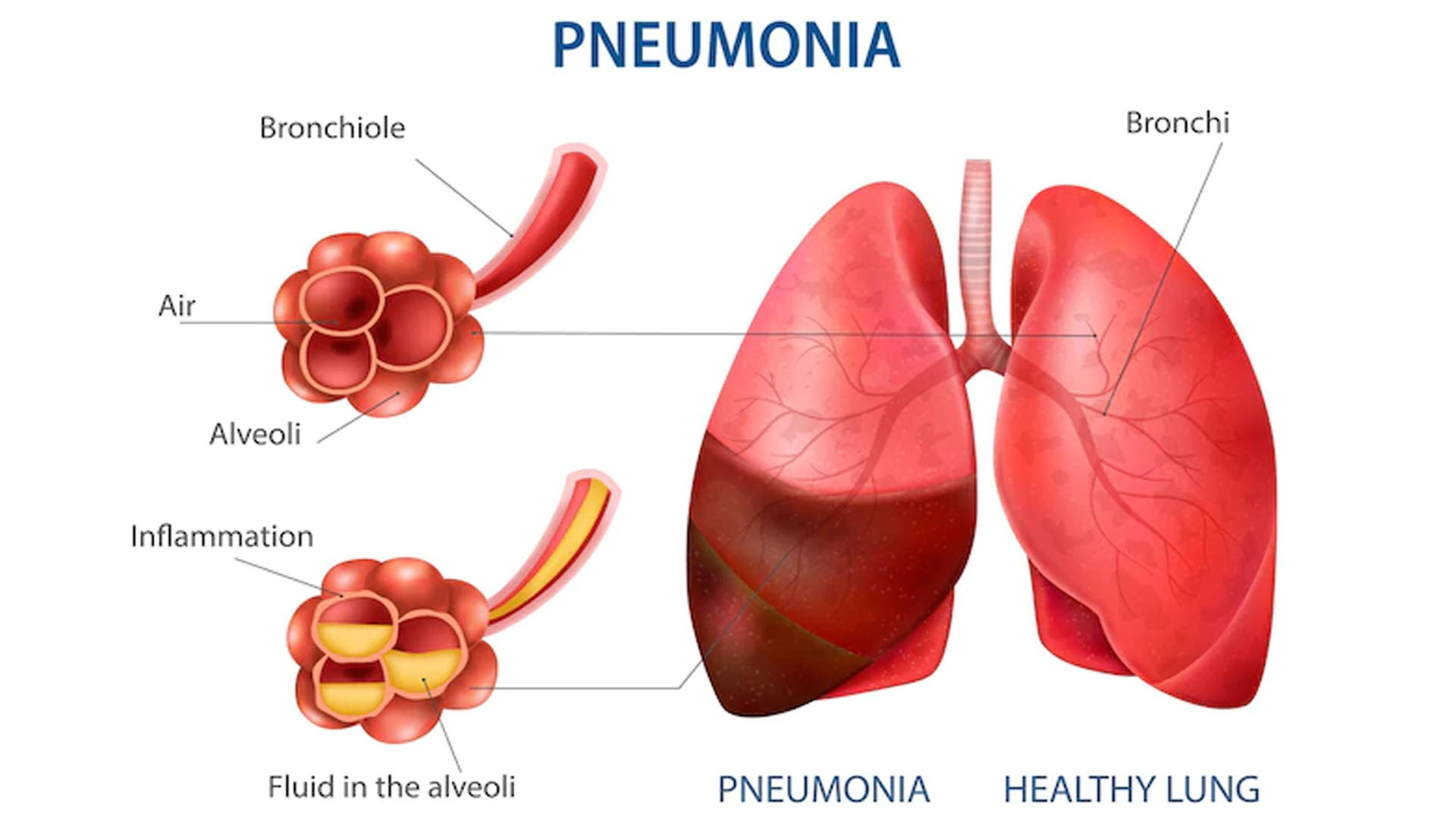
Asthma is a chronic respiratory condition that inflames the airways leading to difficulty breathing. Awareness and proactive management are key components of effective care.
- Main symptoms include wheezing, coughing, chest tightness, and shortness of breath which may worsen during exercise or at night.
- A healthcare provider usually diagnoses asthma based on a combination of medical history assessment and lung function tests like spirometry.
- Treatment may involve avoiding triggers, utilizing inhalers or nebulizers for immediate relief, along with long-term control medications such as corticosteroids when necessary.
- Patients should anticipate periodic evaluations to modify their management plans according to changes in symptom severity or frequency.
Through comprehensive asthma management plans tailored uniquely for each individual, patients can lead healthier lives while effectively controlling their symptoms
CHOLESTEROL TESTING
An important aspect of cardiovascular health involves testing cholesterol levels to assess heart disease risk. Keeping track of lipid profiles helps inform treatment decisions.
- High cholesterol usually does not have clear symptoms but can lead to serious issues like heart attacks or strokes if unnoticed.
- A simple blood test measures total cholesterol levels including LDL (bad cholesterol) and HDL (good cholesterol).
- If elevated levels are detected, management may involve lifestyle modifications such as improved diet and physical activity as well as medication if necessary.
- A structured follow-up plan is crucial for monitoring alterations in cholesterol levels following treatment initiation or adjustment.
The role of regular cholesterol testing cannot be overstated as it helps maintain heart health and reduces the risk of severe cardiovascular events over time.
DIABETES SCREENING
Screening for diabetes is an important step in detecting the condition early before complications arise. Early diagnosis significantly improves the management options available.
- Common symptoms of diabetes may include excessive thirst, frequent urination, fatigue, and blurred vision.
- Diagnosis can be confirmed through blood tests that measure fasting glucose levels or HbA1c levels over time.
- Treatment strategies often involve dietary changes, regular exercise, and sometimes insulin therapy to help regulate blood sugar levels effectively.
- Patients can expect regular monitoring of their glucose levels to ensure effective management of the condition over time.
By understanding diabetes risks and seeking early screening, individuals can take critical steps toward better health outcomes and overall wellness.
HYPERTENSION MANAGEMENT
Hypertension, or high blood pressure, often presents no symptoms but can lead to serious health issues if left untreated. It's vital to monitor and manage blood pressure levels regularly.
- The common symptoms of hypertension include headaches, shortness of breath, and nosebleeds.
- Diagnosis typically involves measuring blood pressure using a sphygmomanometer during routine check-ups or at healthcare facilities.
- Treatment options include lifestyle changes such as diet modification, increased physical activity, and medications like ACE inhibitors or diuretics.
- Regular follow-up appointments are crucial for monitoring your condition and adjusting treatment as necessary.
- Most patients will be expected to collaborate with their doctors to achieve optimal blood pressure control while managing any underlying health conditions.
Effective management of hypertension is essential to reduce the risk of heart disease and stroke, making it imperative for individuals to take proactive steps in monitoring their health.