
Dr CP Shrivastav
About Me
Dr CP Shrivastav
Cardiologist
Biography
My Clinic
OPD Hours
| Monday | Morning | 10:00 AM | - | 02:00 PM |
| Evening | 06:00 PM | - | 09:00 PM | |
| Tuesday | Morning | 10:00 AM | - | 02:00 PM |
| Evening | 06:00 PM | - | 09:00 PM | |
| Wednesday | Morning | 10:00 AM | - | 02:00 PM |
| Evening | 06:00 PM | - | 09:00 PM | |
| Thursday | Morning | 10:00 AM | - | 02:00 PM |
| Evening | 06:00 PM | - | 09:00 PM | |
| Friday | Morning | 10:00 AM | - | 02:00 PM |
| Evening | 06:00 PM | - | 09:00 PM | |
| Saturday | Morning | 10:00 AM | - | 02:00 PM |
| Evening | 06:00 PM | - | 09:00 PM | |
| Sunday | Morning | 10:00 AM | - | 02:00 PM |
| Evening | 06:00 PM | - | 09:00 PM |
Treatments
Specialised care and treatments offered
PERIPHERAL ARTERY DISEASE TREATMENT

Peripheral artery disease (PAD) occurs when arteries supplying blood to your limbs become narrowed due to plaque build-up. Effective management includes lifestyle changes alongside several treatment options aimed at improving circulation and alleviating symptoms like pain or fatigue during activities such as walking or climbing stairs!
- Key risk factors contributing towards PAD could include high cholesterol levels along with smoking habits leading consequently towards poor circulation outcomes over time when left untreated causing serious implications potentially requiring surgical interventions later down road!
- Diagnosis often employs nonsurgical techniques like Doppler ultrasound examinations checking blood flow rates indicating severity instantly allowing swift identification correlating required supportive measures appropriately.
- Management strategies focus heavily around embracing healthy living practices including diet modifications incorporating moderate exercises regularly emphasizing vascular strengthening progressively restoring adequate perfusion ensuring consistent well-being improvement.
Effectively managing peripheral artery disease early-on carries profound long-term benefits promoting active lifestyle choices ultimately enhancing quality-of-life overall positively impacting individual autonomy!
CARDIAC STRESS TEST
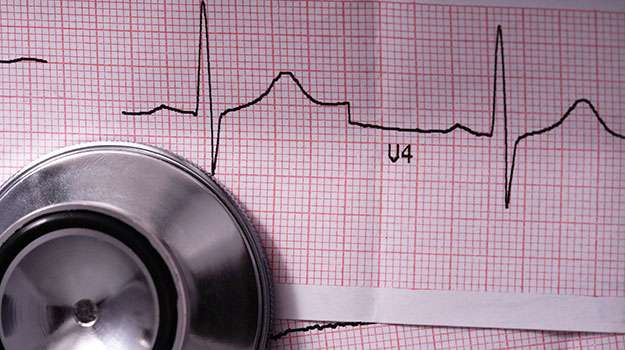
A cardiac stress test evaluates how well your heart performs during physical exertion. It helps determine whether there is sufficient blood flow to your heart muscle during increased activity levels, which can reveal underlying cardiovascular issues.
- Dizziness or shortness of breath during exercise may lead doctors to recommend this important diagnostic tool when assessing coronary artery disease risks or other cardiac complications arising from physical activity stresses on your body’s system!
- The typical stress test involves walking on a treadmill while monitoring your heart’s response through ECG readings & blood pressure checks throughout different exercise intensities initiated gradually over time intervals until reaching target goals set based upon individual fitness levels overall assessed prior!
This safe yet informative approach allows evaluation metrics indicating potential limitations regarding circulatory efficiency addressing concerns proactively towards maintaining optimal cardiovascular wellness effectively!
TRANSESOPHAGEAL ECHOCARDIOGRAM (TEE)
The transesophageal echocardiogram (TEE) provides clearer images of the heart than traditional echocardiograms by using a probe inserted down the esophagus. This method allows better visualization of certain areas of the heart which are difficult to assess otherwise.
- This test is often recommended when there are worries about blood clots, valve disease, or when results from other cardiac tests are inconclusive.
- The procedure is performed under sedation to ensure patient comfort during its execution as it requires swallowing a flexible tube with an ultrasound transducer attached at its end.
- The entire process typically takes about 20-40 minutes with potential for quick recovery post-procedure due to its minimally invasive nature.
A TEE yields crucial information that aids in guiding treatment decisions for various cardiac conditions effectively and safely without much discomfort involved for patients undergoing it.
HOLTER MONITOR
A Holter monitor is a portable device that continuously records the heart's electrical activity over 24-48 hours. This test is useful for detecting irregular heart rhythms that might not appear during a standard ECG.
- Patients might wear this monitoring device if they experience sudden palpitations, dizziness, or unexplained fainting spells.
- The device captures data while patients engage in their routine activities, allowing for better observation of any symptoms experienced throughout the day.
- Results from the Holter monitor help cardiologists diagnose conditions such as arrhythmias and decide on further treatment options if necessary.
- This test offers valuable information without significant disruption to daily life, enabling effective assessment of cardiac health.
ECHOCARDIOGRAM
An echocardiogram is an important diagnostic tool that uses ultrasound waves to create images of the heart's structure and function. This non-invasive procedure helps in evaluating various heart conditions.
- This test can reveal heart valve issues, congenital defects, or signs of previous heart attacks.
- During an echocardiogram, a technician applies gel on the chest and uses a transducer to capture images of the heart.
- The procedure usually lasts about 30-60 minutes and is pain-free with no recovery time needed.
- Results are analyzed by a cardiologist who will discuss findings and recommend any necessary treatments based on the diagnosis.
Echocardiograms are crucial in giving comprehensive insights into heart health without requiring invasive methods.
CORONARY ANGIOPLASTY
Coronary angioplasty is a minimally invasive procedure aimed at treating narrowed or blocked coronary arteries. This technique enhances blood flow to the heart and can significantly improve heart function.
- Symptoms of coronary artery disease may include chest pain, shortness of breath, and fatigue.
- Diagnosis is typically through angiography, where dye is injected into the coronary arteries for imaging.
- Treatment usually involves inserting a balloon catheter to widen the arteries and may include placing a stent to keep the artery open.
- Patients can expect reduced symptoms and improved quality of life after this procedure while risking minimal downtime.
This intervention is a common solution for those with significant arterial blockages, offering a swift return to daily activities.