
Dr Curash B Kohiar
About Me
Dr Curash B Kohiar
Cardiologist
Biography
My Clinic
OPD Hours
| Tuesday | Morning | 10:00 AM | - | 02:00 PM |
| Evening | 06:00 PM | - | 09:00 PM | |
| Wednesday | Morning | 10:00 AM | - | 02:00 PM |
| Evening | 06:00 PM | - | 09:00 PM | |
| Thursday | Morning | 10:00 AM | - | 02:00 PM |
| Evening | 06:00 PM | - | 09:00 PM | |
| Friday | Morning | 10:00 AM | - | 02:00 PM |
| Evening | 06:00 PM | - | 09:00 PM | |
| Saturday | Morning | 10:00 AM | - | 02:00 PM |
| Evening | 06:00 PM | - | 09:00 PM | |
| Sunday | Morning | 10:00 AM | - | 02:00 PM |
| Evening | 06:00 PM | - | 09:00 PM | |
| Thursday | Morning | 10:00 AM | - | 02:00 PM |
| Evening | 06:00 PM | - | 09:00 PM |
Treatments
Specialised care and treatments offered
PULMONARY EMBOLISM

A pulmonary embolism occurs when one or more arteries in the lungs get blocked by clots that have traveled from elsewhere in the body—usually from the legs (deep vein thrombosis). Quick recognition saves lives!
- Key Symptoms : Symptoms might include sudden shortness of breath , sharp chest pain that worsens with deep breaths , cough (possibly with bloody sputum).
- Risk Factors : Important risk factors encompass prolonged inactivity , recent surgery , cancer diagnoses .
- < strong ) Diagnosis Techniques < / strong ): Imaging tests like CT scans alongside lower extremity ultrasounds confirm diagnosis while assessing clot presence .
- < strong ) Treatment Options < / strong ): Treatment generally involves anticoagulation therapy using medications followed possibly by thrombolytic agents if severe cases arise .
(Prompt treatment reduces mortality rates significantly making awareness regarding pulmonary embolisms vital.)
(HYPERTENSION
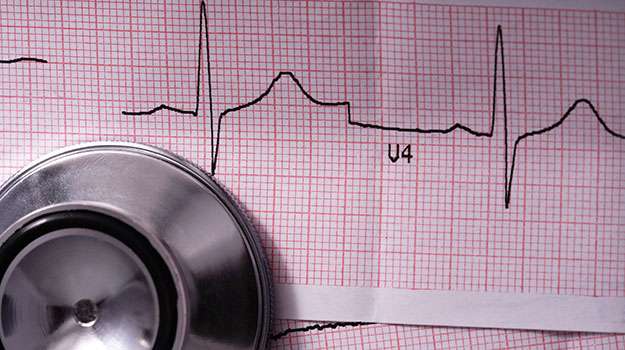
Hypertension is often referred to as high blood pressure—an alarming condition that frequently goes unnoticed until significant damage occurs. Identifying hypertension early is crucial for preventing long-term health issues related to cardiovascular health.
- Symptoms : High blood pressure might show no symptoms initially but can lead to severe headaches or nosebleeds when it becomes dangerously high.
- Contributing Factors : Factors such as a sedentary lifestyle, excessive salt intake, obesity, stress levels play significant roles in hypertension development.
- Diagnostic Procedures : Blood pressure readings taken in-clinic provide insight into whether an individual has hypertension; additional testing might be necessary based on results.
- Management Strategies : Lifestyle adjustments alongside antihypertensive medications are recommended approaches towards effectively managing high blood pressure levels.
Consistent monitoring combined with adherence toward prescribed therapies greatly aids individuals living with hypertension in achieving better health outcomes over time!
CORONARY ARTERY DISEASE
Coronary artery disease (CAD) develops when coronary arteries become narrowed or blocked by cholesterol deposits. This condition increases the risk for severe cardiovascular events like heart attacks if left unaddressed.
- Symptoms: Patients may experience chest pain (angina), shortness of breath, or even silent ischemia without overt symptoms.
- Main Risk Factors: Common risk factors include smoking, high cholesterol levels, obesity, lack of physical activity, and family history of heart disease.
- Diagnosis Methods: Various diagnostic methods including stress tests and angiography are used to evaluate CAD's severity.
- Treatment Approaches : Treatment involves medication management aimed at lowering cholesterol levels along with lifestyle changes; sometimes surgical interventions are required such as stent placement or bypass surgery.
Effective control over coronary artery disease can prolong life expectancy while enhancing overall well-being through proactive management practices.
HEART FAILURE
Heart failure is a chronic condition where the heart does not pump blood effectively. This can lead to fatigue and fluid accumulation in various parts of the body. Recognizing its signs early can improve patient outcomes significantly.
- Common Symptoms: Symptoms often include shortness of breath during activity or rest and swelling in legs and ankles.
- Main Causes: Major contributors include high blood pressure, previous heart attacks, or valve disorders.
- Diagnostic Tests: Tests such as echocardiograms and blood tests help assess heart function accurately.
- Treatment Options: Management includes lifestyle changes, medications like diuretics and ACE inhibitors, and sometimes surgical options like implanting devices to support heart function.
If managed correctly through ongoing care and lifestyle adjustments, individuals with heart failure can maintain a good quality of life.
ATRIAL FIBRILLATION
Atrial fibrillation (AFib) is an irregular heartbeat affecting millions worldwide. It can lead to serious issues like stroke if left untreated. Understanding AFib's nature is essential for effective management.
- Symptoms: Patients may experience palpitations, fatigue, dizziness, or chest pain during episodes.
- Risk Factors: Conditions such as high blood pressure, diabetes, or existing heart disease increase the likelihood of developing AFib.
- Diagnosis: A healthcare provider often uses an ECG or Holter monitor to diagnose this condition accurately.
- Treatment Strategies: Treatment may involve medications for rate control or rhythm management and anticoagulants to reduce stroke risk.
- Living with AFib: Regular follow-ups are necessary for effective monitoring and adjusting treatment plans as needed.
Proper management of atrial fibrillation can significantly enhance quality of life and reduce the risk of complications.
MYOCARDIAL INFARCTION
A myocardial infarction, commonly known as a heart attack, occurs when blood flow to a part of the heart is blocked. This blockage can cause damage to the heart muscle, leading to severe complications if not treated promptly.
- Symptoms: Common indicators include chest pain, shortness of breath, and discomfort in other areas such as the arms or back.
- Causes: The primary cause is usually coronary artery disease due to plaque buildup in arteries.
- Diagnosis: Diagnosis may involve an electrocardiogram (ECG), blood tests for cardiac markers, and imaging tests.
- Treatment Options: Management typically includes medications like antiplatelets and possibly procedures such as angioplasty or bypass surgery.
- Recovery Expectations: Following treatment, patients often require rehabilitation and lifestyle modifications to prevent future events.
Timely intervention is critical in minimizing heart damage and improving outcomes for individuals suffering from a myocardial infarction.