
Dr D C Gupta
About Me
Dr D C Gupta
Ophthalmologist
Biography
My Clinic
OPD Hours
| Monday | Morning | 10:00 AM | - | 02:00 PM |
| Evening | 06:00 PM | - | 09:00 PM | |
| Tuesday | Morning | 10:00 AM | - | 02:00 PM |
| Evening | 06:00 PM | - | 09:00 PM | |
| Wednesday | Morning | 10:00 AM | - | 02:00 PM |
| Evening | 06:00 PM | - | 09:00 PM | |
| Thursday | Morning | 10:00 AM | - | 02:00 PM |
| Evening | 06:00 PM | - | 09:00 PM | |
| Friday | Morning | 10:00 AM | - | 02:00 PM |
| Evening | 06:00 PM | - | 09:00 PM | |
| Saturday | Morning | 10:00 AM | - | 02:00 PM |
| Evening | 06:00 PM | - | 09:00 PM | |
| Sunday | Morning | 10:00 AM | - | 02:00 PM |
| Evening | 06:00 PM | - | 09:00 PM |
Treatments
Specialised care and treatments offered
RETINAL DETACHMENT TREATMENT
This serious condition occurs when the retina separates from its underlying tissue. Immediate attention is necessary as it can lead to permanent vision loss if not addressed promptly.
- Symptoms typically manifest as a sudden appearance of flashes of light or floaters along with shadowy areas obstructing one’s field view。
- Typically diagnosed via a dilated eye examination where specialists inspect signs indicating potential detachment before confirming thoroughly using imaging techniques。
- Treatment modalities include laser surgery aiming at reattaching portions back onto supportive structures within eyes,cryotherapy freezing areas surrounding detachment,or more invasive surgeries depending upon severity levels identified by ophthalmologists。
Following treatment,patients usually require regular follow-up monitoring ensuring proper recovery while addressing any arising concerns surrounding visual health post-operation。
DRY EYE SYNDROME
This condition occurs when tears aren’t able to provide adequate lubrication for the eyes. It may result from various factors including age, environmental conditions, or certain medications affecting tear production adversely.
- Common symptoms involve persistent dryness, itching sensations, redness around the eyes, and watery eyes due to reflexive tearing caused by irritation.
- A comprehensive evaluation assesses tear production along with symptoms reported by patients during consultations.
- Treatment options may involve artificial tears usage as well as lifestyle adjustments like increased hydration and humidity levels in living spaces that alleviate discomfort overall while improving tear film stability。
With appropriate management strategies tailored toward individual needs, many people find substantial relief from their symptoms over time。
AGE-RELATED MACULAR DEGENERATION (AMD)
A progressive disease affecting older adults' central vision due to deterioration of the macula. AMD can significantly impact daily activities such as reading or recognizing faces without prompt intervention.
- The condition may present symptoms like distorted images or difficulty seeing fine details; however, many individuals experience no pain associated with loss of sight initially.
- An eye care professional will conduct tests involving imaging technologies like optical coherence tomography (OCT) for an accurate diagnosis.
- Treatment options vary based on whether AMD is classified as dry or wet; they might include nutritional supplements or medications injected into the eye for wet AMD cases.
Managing AMD effectively requires ongoing care and early detection strategies tailored specifically towards preserving sight over time.
DIABETIC RETINOPATHY
This serious complication of diabetes affects the blood vessels in the retina. Over time, high blood sugar levels can damage these vessels leading to blurred vision or even blindness if untreated.
- Symptoms might include floaters, blurred spots in your field of vision, or sudden changes in sight.
- A dilated eye exam is crucial for diagnosis; this allows healthcare professionals to observe retinal changes directly.
- Treatment often includes laser therapy or injections designed to halt progression and preserve vision potential.
- Lifestyle changes alongside medical management play pivotal roles in preventing further complications from diabetes-related issues.
Catching diabetic retinopathy early ensures better outcomes and helps maintain visual health over time.
GLAUCOMA MANAGEMENT
Glaucoma refers to a group of eye conditions that damage the optic nerve, crucial for clear vision. Often associated with increased intraocular pressure (IOP), it can lead to irreversible blindness if not managed effectively.
- Initial signs may be subtle and include loss of peripheral vision or tunnel vision as the disease progresses.
- Diagnosis is made through routine eye exams that measure IOP, assess optic nerve health, and evaluate peripheral visual fields.
- Treatment options range from prescription eye drops to lower eye pressure to surgical procedures aimed at enhancing drainage of fluid from the eye.
- Regular monitoring is essential to track changes in vision and adjust treatment plans accordingly for optimal results.
Early detection and consistent management help maintain quality of life for those affected by glaucoma.
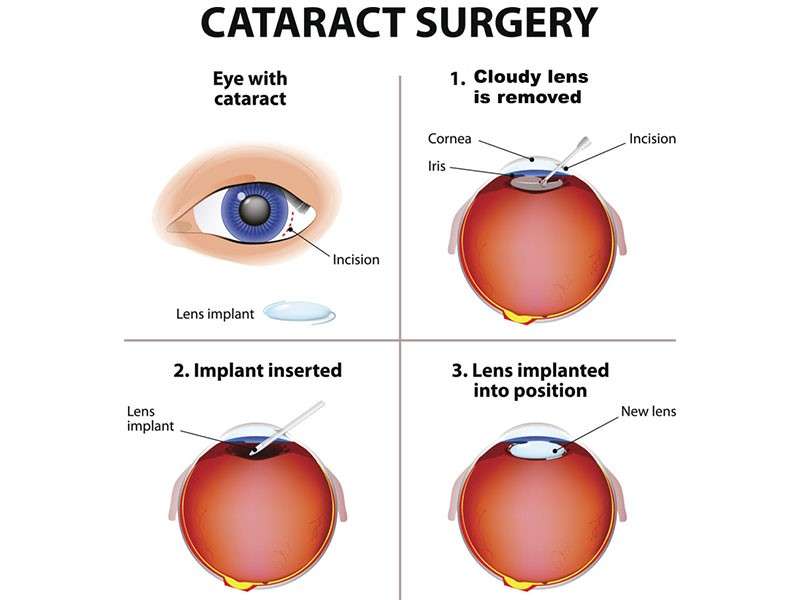
CATARACT SURGERY
Cataract surgery is a common procedure aimed at restoring vision impaired by cataracts, which are cloudy formations in the eye's lens. These clouds can cause blurred vision and glare, significantly impacting daily activities.
- Symptoms of cataracts include blurry or dimmed vision, difficulty with night vision, and seeing halos around lights.
- The condition is diagnosed through a comprehensive eye examination, including visual acuity tests and dilation to examine the lens.
- Treatment usually involves surgical removal of the cloudy lens, often replaced with an artificial intraocular lens (IOL).
- Post-surgery, most patients experience improved vision and reduced glare, enabling better functionality in their day-to-day lives.
This surgery is highly effective with a low complication rate, allowing patients to regain their confidence in seeing clearly again.