
Dr D D Gupta
About Me
Dr D D Gupta
MBBS
General Physician
Biography
My Clinic
OPD Hours
| Monday | Morning | 10:00 AM | - | 02:00 PM |
| Evening | 06:00 PM | - | 09:00 PM | |
| Tuesday | Morning | 10:00 AM | - | 02:00 PM |
| Evening | 06:00 PM | - | 09:00 PM | |
| Wednesday | Morning | 10:00 AM | - | 02:00 PM |
| Evening | 06:00 PM | - | 09:00 PM | |
| Thursday | Morning | 10:00 AM | - | 02:00 PM |
| Evening | 06:00 PM | - | 09:00 PM | |
| Friday | Morning | 10:00 AM | - | 02:00 PM |
| Evening | 06:00 PM | - | 09:00 PM | |
| Saturday | Morning | 10:00 AM | - | 02:00 PM |
| Evening | 06:00 PM | - | 09:00 PM | |
| Sunday | Morning | 10:00 AM | - | 02:00 PM |
| Evening | 06:00 PM | - | 09:00 PM |
Treatments
Specialised care and treatments offered
THYROID DISORDERS
The thyroid gland regulates metabolism through hormone production; thus disorders like hypothyroidism (underactive) or hyperthyroidism (overactive) affect various bodily functions requiring prompt recognition for effective treatment outcomes .
- Signs & Symptoms : Weight changes , temperature sensitivity issues along fatigue indicative towards possible dysfunctions related within this vital endocrine gland alter daily life experiences severely at times .
- Common causative factors :
ALLERGY TESTING

An allergy occurs when the immune system reacts abnormally to certain substances known as allergens. Identifying specific allergens through testing enables better management strategies for reducing exposure and treating allergic reactions effectively.
- Common allergies: Airborne allergens like pollen or dust mites along with food allergies such as peanuts tend to trigger various responses across individuals involved in allergic reactions annually.
- Symptoms experienced: Patients may face sneezing , itching , rashes , or gastrointestinal issues depending upon allergen exposure severity reported upon analysis .
- Diagnostic procedures: Skin tests involving allergen exposure will help determine sensitivities ; alternatively , serum IgE tests gauging presence yield concrete results too .
- Management strategies : Antihistamines provide relief from mild cases while immunotherapy becomes necessary under chronic conditions -- offering desensitization benefits across months .
Timely screening reveals underlying causes leading ultimately towards formulating effective individualized plans aiding those afflicted by debilitating allergic reactions long-term .
CHOLESTEROL MANAGEMENT

Elevated cholesterol levels can significantly increase the risk of cardiovascular diseases. Monitoring cholesterol regularly plays an essential role in preventing heart-related issues through early intervention strategies.
- Main symptoms: High cholesterol typically presents no direct symptoms but can lead to severe health risks over time if not managed properly.
- Causative factors: Poor diet full of saturated fats coupled with sedentary lifestyles often lead to elevated cholesterol levels in adults.
- Diagnosis method: Blood tests called lipid panels measure cholesterol levels in different categories including LDL (bad cholesterol) and HDL (good cholesterol).
- Treatment options: Lifestyle interventions targeting nutrition and exercise are foundational; in more severe cases statins may be prescribed by healthcare professionals.
- Management approach: Regular check-ups help monitor progress while dietary adjustments influence overall wellbeing positively over time.
Maintaining healthy cholesterol levels reduces risks associated with heart attacks and strokes significantly enhancing quality of life for many individuals seeking long-term wellness solutions.
ASTHMA MANAGEMENT
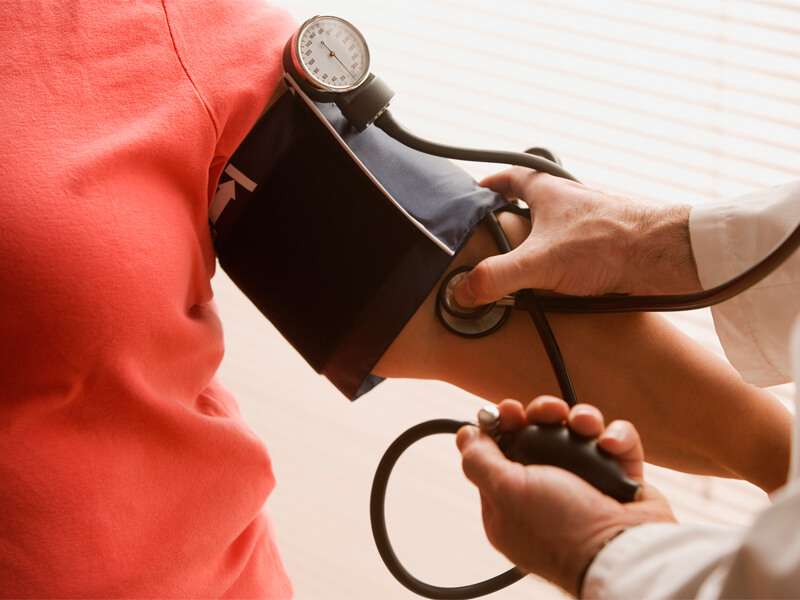
Asthma is a chronic respiratory condition marked by airway inflammation and difficulty breathing. Managing asthma effectively involves understanding triggers and using appropriate medications to control symptoms and prevent attacks.
- Symptoms: Common signs include wheezing, coughing (especially at night), chest tightness, and shortness of breath during physical activity.
- Causative factors: Allergens such as pollen, dust mites, smoke, or exercise-induced bronchoconstriction can exacerbate asthma symptoms.
- Diagnosis methods: Doctors typically perform lung function tests (spirometry) alongside reviewing medical history to confirm asthma diagnosis.
- Treatment approaches: Long-term control medications like inhaled corticosteroids combined with quick-relief inhalers ensure better control of asthma symptoms during flare-ups.
A proactive management plan tailored to individual needs allows those living with asthma to engage in daily activities comfortably and effectively.
DIABETES MANAGEMENT

Diabetes is a metabolic disorder characterized by elevated blood sugar levels due to inadequate insulin production or response. Proper management of diabetes is critical to prevent complications such as neuropathy, kidney failure, or vision loss.
- Symptoms: Common indicators include increased thirst, frequent urination, fatigue, and blurred vision.
- Causes: Type 1 diabetes arises from autoimmune destruction of insulin-producing cells, while Type 2 is often linked to lifestyle factors like obesity and sedentarism.
- Diagnosis: A fasting blood glucose test or hemoglobin A1c test can establish the diagnosis based on blood sugar levels over time.
- Treatment strategies: Insulin therapy for Type 1 patients and dietary changes combined with oral medications for Type 2 patients form the cornerstone of treatment.
- Lifestyle modifications: Incorporating exercise and maintaining a balanced diet are critical components of managing diabetes effectively.
A comprehensive approach ensures that individuals with diabetes can lead healthy lives while minimizing risks associated with the condition.
HYPERTENSION

Hypertension, or high blood pressure, is a chronic condition that can lead to serious health complications if left untreated. Often referred to as the "silent killer" due to its lack of obvious symptoms, it is crucial for individuals to have regular check-ups to monitor their blood pressure levels.
- Symptoms: Many people may not experience any symptoms; however, some might report headaches, shortness of breath, or nosebleeds.
- Causes: Factors contributing to hypertension include a poor diet, inactivity, obesity, and genetic predisposition.
- Diagnosis: Blood pressure is measured using a sphygmomanometer; repeated readings over time confirm the diagnosis.
- Treatment options: Lifestyle changes such as a healthier diet and increased physical activity are recommended alongside medications like diuretics or ACE inhibitors.
- Management: Regular monitoring and follow-up with healthcare providers are essential for effective long-term management.
Controlling high blood pressure helps reduce the risk of heart disease and stroke, making proactive care vital for overall health.