
Dr D G Saple
About Me
Dr D G Saple
Dermatologist
Biography
My Clinic
OPD Hours
| Tuesday | Morning | 10:00 AM | - | 02:00 PM |
| Evening | 06:00 PM | - | 09:00 PM | |
| Wednesday | Morning | 10:00 AM | - | 02:00 PM |
| Evening | 06:00 PM | - | 09:00 PM | |
| Thursday | Morning | 10:00 AM | - | 02:00 PM |
| Evening | 06:00 PM | - | 09:00 PM | |
| Friday | Morning | 10:00 AM | - | 02:00 PM |
| Evening | 06:00 PM | - | 09:00 PM | |
| Saturday | Morning | 10:00 AM | - | 02:00 PM |
| Evening | 06:00 PM | - | 09:00 PM | |
| Sunday | Morning | 10:00 AM | - | 02:00 PM |
| Evening | 06:00 PM | - | 09:00 PM | |
| Thursday | Morning | 10:00 AM | - | 02:00 PM |
| Evening | 06:00 PM | - | 09:00 PM |
Treatments
Specialised care and treatments offered
SKIN CANCER SCREENING
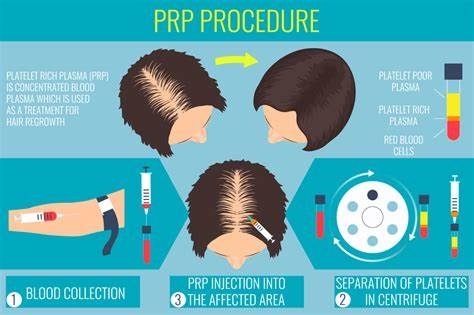
Skin cancer screening involves examining suspicious moles or lesions for early signs of skin cancer—crucial given its rising incidence worldwide. Awareness about prevention and early detection plays an essential role in outcomes concerning patient health today!
- The typical suspicious signs include asymmetry in moles, border irregularities, varying color shades within one lesion—these warrant thorough evaluation during screenings!
WARTS
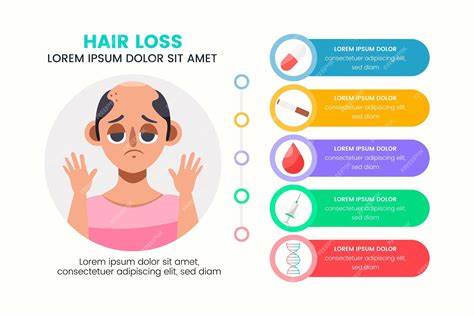
Warts are benign growths caused by human papillomavirus (HPV), appearing as rough bumps on different parts of the body. They are especially common among children but can affect anyone regardless of age or gender.
- The common symptoms, depending on type (e.g., plantar warts), include small fleshy growths that often feel rough or bumpy upon touch.
- Dermatologists diagnose warts through detailed clinical observation without necessarily requiring further tests unless atypical forms are present.
- Treatment options vary from simple cryotherapy (freezing) to topical acid treatments aimed at removing the virus-infected tissue over time. Surgical removal is also an option when necessary.
Mild warts typically resolve spontaneously; however, effective treatment may expedite this process while minimizing discomfort associated with them!
MELASMA
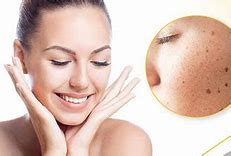
Melasma is a common skin disorder characterized by brown or gray-brown patches on areas exposed to sunlight. It predominantly affects women during their reproductive years but can occur in men as well.
- The key symptoms consist of symmetrical brownish spots typically found on the face—especially the cheeks, forehead, nose—and upper lip.
- Irritation from hormonal changes during pregnancy or sun exposure plays a considerable role in its development.
- A dermatologist usually performs a visual examination for proper differential diagnosis.
Treatments include sunscreens, topical lightening agents like hydroquinone, which aim to reduce pigmentation over time. With ongoing management practices in place, melasma’s appearance can significantly diminish while improving self-esteem for many patients seeking clarity in their complexion.
ECZEMA (ATOPIC DERMATITIS)
Eczema, particularly atopic dermatitis, is a prevalent inflammatory skin condition most often seen in children but can persist into adulthood. It leads to itchy, inflamed skin that can be quite bothersome.
- The main symptoms include dry patches of skin that may become red or blistered. Patients often report significant itching that disrupts sleep and daily activities.
- This condition is diagnosed based on medical history and clinical examination.
- Treatment focuses on moisturizing agents and steroid creams to reduce inflammation; oral antihistamines may help with itching.
A comprehensive management plan will help control flare-ups and keep symptoms at bay for better everyday comfort.
PSORIASIS
Psoriasis is a chronic autoimmune condition characterized by rapid skin cell production leading to thickening and scaling of the skin. It commonly appears as red patches covered with thick silvery scales.
- The primary symptoms include dry patches that may crack and bleed, itchy sensations, and discomfort.
- Psyiatic lesions are typically diagnosed through physical examination, sometimes accompanied by a biopsy for confirmation.
- Treatment strategies can involve topical treatments like corticosteroids or systemic therapies such as biologics for more severe cases.
An individualized treatment approach can significantly alleviate symptoms and improve quality of life for those affected by psoriasis.
ACNE VULGARIS
Acne vulgaris is a common skin condition affecting individuals of various ages, particularly adolescents and young adults. It arises from the overproduction of oil and the clogging of hair follicles by dead skin cells.
- Symptoms include pimples, blackheads, whiteheads, and in some cases, cysts that can cause scarring.
- Causes may involve hormonal changes, certain medications, and diet, among others.
- Diagnosis is generally made through a physical examination by a healthcare provider or dermatologist.
- Treatment options may include topical retinoids, antibiotics, or hormonal therapies depending on severity.
- What to expect: Most patients see improvement with consistent treatment over several weeks to months.
With appropriate care, acne can be managed effectively to help restore clear skin and confidence.