
Dr D K Dixit Dental Hospital
About Me
Dr D K Dixit Dental Hospital
MD
Dermatologist
10 Years Experience
Biography
My Clinic
OPD Hours
| Monday | Morning | 10:00 AM | - | 02:00 PM |
| Evening | 06:00 PM | - | 09:00 PM | |
| Tuesday | Morning | 10:00 AM | - | 02:00 PM |
| Evening | 06:00 PM | - | 09:00 PM | |
| Wednesday | Morning | 10:00 AM | - | 02:00 PM |
| Evening | 06:00 PM | - | 09:00 PM | |
| Thursday | Morning | 10:00 AM | - | 02:00 PM |
| Evening | 06:00 PM | - | 09:00 PM | |
| Friday | Morning | 10:00 AM | - | 02:00 PM |
| Evening | 06:00 PM | - | 09:00 PM | |
| Saturday | Morning | 10:00 AM | - | 02:00 PM |
| Evening | 06:00 PM | - | 09:00 PM | |
| Sunday | Morning | 10:00 AM | - | 02:00 PM |
| Evening | 06:00 PM | - | 09:00 PM |
Treatments
Specialised care and treatments offered
ATOPIC DERMATITIS
This chronic form of eczema typically manifests during childhood but persists into adulthood for many individuals. Characterized by itchy rashes predominantly situated around flexible areas such as elbows/knees—this condition requires careful monitoring due largely its nature regarding severity fluctuations over time!
- Symptoms: Intense itchiness leading up red inflamed patches accompanied by scaly dryness ;
- Causes: Genetic predispositions combined frequent triggering substances allergens ;
- Diagnosis: Comprehensive physical evaluation outlines defining characteristics recognized regularly amongst sufferers experiencing heightened episodes investigating personal histories involved
- Treatment Options: Emollients help restore barriers while corticosteroid ointments ease inflammation alongside potential antihistamines prescribed as needed towards improving comfort levels overall respectively ;
- What should I expect? Advancements achieved relating routine adherence facilitate reduced frequency alarming flare-ups allowing smooth manageable experiences !
The consistency engaging proactive treatment plans enhances satisfaction living amidst an unpredictable journey encountering variations symptoms categorically approached.!
WARTS
A wart is a small lump on the skin caused by human papillomavirus (HPV). These growths can appear anywhere on the body but are most commonly found on hands and feet. Although warts are generally harmless, they can be unsightly and sometimes painful depending on their location.
- Symptoms: Raised bumps that vary in size/shape with rough textures ;
- Causes : Direct contact transmission via contaminated surfaces/fingers ;
- Diagnosis : Typically assessed through visual inspection ;
- Treatment Options : Topical agents containing salicylic acid , cryotherapy ; surgical removal may be necessary for difficult cases ; it
- What technologies do I need? Observing warts doesn’t require extensive efforts because many self-care solutions exist helping reclaim your smoother complexion!
Most warts resolve spontaneously over time without intervention though treating them provides faster results!
ROSACEA
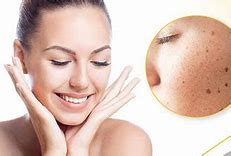
This chronic inflammatory skin condition primarily affects the face. It leads to redness along with visible blood vessels and sometimes bumps resembling acne. Rosacea tends to occur in cycles which means understanding its triggers is crucial for effective management strategies.
- Symptoms: Flushing or persistent redness in the face; small red bumps resembling acne may appear;
ECZEMA
Eczema refers to a group of conditions that cause the skin to become inflamed or irritated. This chronic condition can lead to red, itchy patches that are often uncomfortable. Understanding triggers and proper management techniques are essential for maintaining healthy skin.
- Symptoms: Dryness and itchiness followed by redness and swelling; in some cases weeping blisters may develop during flare-ups.
- Causes: Often linked with allergies or asthma; environmental factors such as soaps or detergents can also provoke it.
- Diagnosis: Diagnosis involves evaluating medical history along with physical examination for characteristic rashes on the body.
- Treatment Options: Moisturizers play a key role; topical corticosteroids are commonly used during flare-ups; avoidance of known irritants is also critical.
- What to Expect: While eczema can vary in severity over time, many patients find relief through diligent skincare routines and medication adherence.
An individualized approach considering specific triggers can provide better control over this persistent condition.
ACNE
Acne is one of the most common skin conditions that affects individuals of all ages. It occurs when hair follicles become clogged with oil and dead skin cells. This condition can lead to emotional distress due to its impact on appearance; however, there are numerous treatment strategies available.
- Symptoms: Pimples, blackheads, whiteheads, cysts on the face, back, shoulders, and chest; varying degrees of inflammation may occur.
- Causes: Hormonal changes during puberty or menstrual cycles, certain medications or cosmetics can exacerbate this condition.
- Diagnosis: Usually identified through physical examination; occasionally further testing is needed for severe cases.
- Treatment Options: Over-the-counter topical agents (benzoyl peroxide), prescription medications (antibiotics), hormonal treatments for women, and laser therapy might be recommended.
- What to Expect: While acne can sometimes take time to resolve completely, most treatments show significant improvement within a few months.
A personalized treatment plan is crucial for achieving the best possible results in managing acne effectively.
PSORIASIS
Psoriasis is a chronic autoimmune condition characterized by the rapid growth of skin cells, leading to scaling on the skin’s surface. It often results in thick, red patches covered with silvery-white scales. Psoriasis can significantly impact quality of life, but effective management options are available.
- Symptoms: Red patches of skin covered with thick, silvery scales, dry and cracked skin that may bleed, itching and burning sensations.
- Causes: The exact cause is unknown, but it is believed to involve an immune system dysfunction and genetics.
- Diagnosis: Typically diagnosed through physical examination; in some cases, a skin biopsy may be conducted for confirmation.
- Treatment Options: Topical treatments (corticosteroids), phototherapy (light therapy), systemic medications (biologics), and lifestyle modifications.
- What to Expect: With appropriate treatment, symptoms can often be managed effectively; however, long-term management strategies may be necessary.
This condition requires ongoing care and attention to minimize flare-ups and maintain healthy skin.