
Dr D P Agarwal
About Me
Dr D P Agarwal
MBBS
Podiatrist
10 Years Experience
Biography
My Clinic
OPD Hours
| Monday | Morning | 10:00 AM | - | 02:00 PM |
| Evening | 06:00 PM | - | 09:00 PM | |
| Tuesday | Morning | 10:00 AM | - | 02:00 PM |
| Evening | 06:00 PM | - | 09:00 PM | |
| Wednesday | Morning | 10:00 AM | - | 02:00 PM |
| Evening | 06:00 PM | - | 09:00 PM | |
| Thursday | Morning | 10:00 AM | - | 02:00 PM |
| Evening | 06:00 PM | - | 09:00 PM | |
| Friday | Morning | 10:00 AM | - | 02:00 PM |
| Evening | 06:00 PM | - | 09:00 PM | |
| Saturday | Morning | 10:00 AM | - | 02:00 PM |
| Evening | 06:00 PM | - | 09:00 PM | |
| Sunday | Morning | 10:00 AM | - | 02:00 PM |
| Evening | 06:00 PM | - | 09:00 PM |
Treatments
Specialised care and treatments offered
PERIPHERAL NEUROPATHY SCREENING
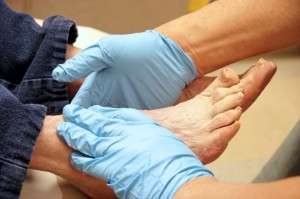
Nerve damage affecting sensation in feet can result from various systemic diseases and pose serious risks such as unnoticed injuries. Early screening is crucial for prevention strategies.
WART REMOVAL ON FEET
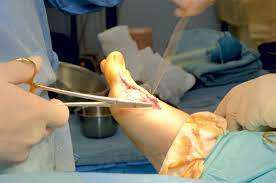
Certain viral infections cause warts on the soles which can be painful when walking. Various treatments aim at eradicating these lesions safely while minimizing recurrence risk.
- Description & cause:
FLATFOOT (PES PLANUS) EVALUATION
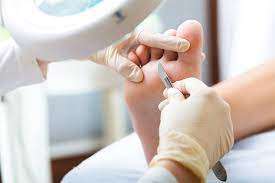
The absence or collapse of the medial arch leads to flatfoot condition which can affect gait and cause discomfort. Diagnosis early allows management before secondary problems arise.
- Main features: Low or absent arch visible on standing; possible ankle instability or foot fatigue during activity.
- Diagnostic process: Physical examination assessing arch structure along with gait analysis; radiographs sometimes utilized for structural details.
- Treatment options: Custom orthotics for arch support, physical therapy exercises targeting foot muscles, appropriate footwear modifications.
- The expected course: Most cases improve functionally with non-surgical methods although severe deformities may require specialist referral.
Mild flatfoot often remains asymptomatic but monitoring ensures timely intervention if symptoms develop.
INGROWN TOENAIL TREATMENT
An ingrown toenail occurs when the nail edge grows into the surrounding skin causing discomfort and possible infection. Early intervention helps reduce complications.
- Causative factors: Improper nail trimming, tight shoes, trauma to the toe can contribute to development.
- Assessment methods: Visual inspection and symptom review revealing redness, swelling, or discharge around nail borders.
- Therapeutic approaches: Soaking feet in warm water for softening tissue; topical antibiotics if infection present; partial nail removal in persistent cases.
- User expectations: Healing typically occurs within days after treatment with reduced pain and inflammation.
Caring for nails carefully combined with timely professional evaluation prevents worsening and repeated issues.
PLANTAR FASCIITIS MANAGEMENT
Heel pain caused by inflammation of the plantar fascia is a common complaint. This condition affects mobility but often improves with proper care.
- Symptoms and causes: Sharp heel pain especially during first steps in the morning; repetitive strain from overuse or improper footwear.
- Diagnosis: Clinical evaluation focusing on location of tenderness; imaging like ultrasound may be used.
- Treatment options: Rest, ice application, stretching exercises; orthotic supports to relieve pressure; anti-inflammatory medications as needed.
- Prognosis: Gradual improvement expected over weeks to months with adherence to treatment plan.
A combination of conservative strategies usually leads to satisfactory relief without invasive procedures.
DIABETIC FOOT CARE
Proper foot care is essential for individuals with diabetes to avoid serious complications. High blood sugar can cause nerve damage and poor circulation, leading to increased risk of foot problems.
- Symptoms and causes: Numbness, tingling, or reduced sensation in the feet; wounds that heal slowly due to poor blood flow.
- Diagnosis: Comprehensive foot exams including monofilament testing for neuropathy, checking pulses, and inspecting skin integrity.
- Treatment and management: Regular foot inspections at home and by professionals; maintaining blood glucose control; appropriate footwear to prevent injury.
- What to expect: Early detection can prevent ulcers and infections; treatment may include wound care, antibiotics, or referral for surgery if severe.
Maintaining vigilance with foot care routines minimizes risk of serious infection or amputation in diabetic patients.