
Dr D S Poonia
About Me
Dr D S Poonia
Internal Medicine
Biography
My Clinic
OPD Hours
| Monday | Morning | 10:00 AM | - | 02:00 PM |
| Evening | 06:00 PM | - | 09:00 PM | |
| Tuesday | Morning | 10:00 AM | - | 02:00 PM |
| Evening | 06:00 PM | - | 09:00 PM | |
| Wednesday | Morning | 10:00 AM | - | 02:00 PM |
| Evening | 06:00 PM | - | 09:00 PM | |
| Thursday | Morning | 10:00 AM | - | 02:00 PM |
| Evening | 06:00 PM | - | 09:00 PM | |
| Friday | Morning | 10:00 AM | - | 02:00 PM |
| Evening | 06:00 PM | - | 09:00 PM | |
| Saturday | Morning | 10:00 AM | - | 02:00 PM |
| Evening | 06:00 PM | - | 09:00 PM | |
| Sunday | Morning | 10:00 AM | - | 02:00 PM |
| Evening | 06:00 PM | - | 09:00 PM |
Treatments
Specialised care and treatments offered
HEART FAILURE
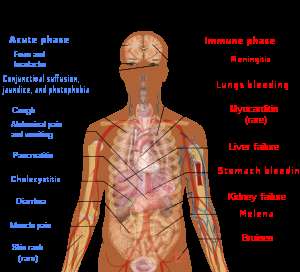
Heart failure occurs when the heart isn't able to pump sufficient blood throughout the body. Recognizing this condition’s signs early enhances effective management options available today.
- Typical indications are fatigue upon exertion , swelling in legs / feet due fluid retention , rapid heartbeat , persistent cough especially when lying down .
- Diagnosis involves thorough assessment including physical exams; echocardiograms might be conducted verify functional efficiency .
- Standard approaches towards managing heart failures consists lifestyle alterations alongside medications like ACE inhibitors & beta-blockers strengthen heart contractions .
- Routine check-ups ensure adjustments happen where needed ensuring consistent monitoring any emerging issues got addressed quickly .
While living with heart failure requires ongoing vigilance , availing responsible actions helps those affected live fuller more active lives despite limitations posed challenges inherent underlying conditions .
PNEUMONIA
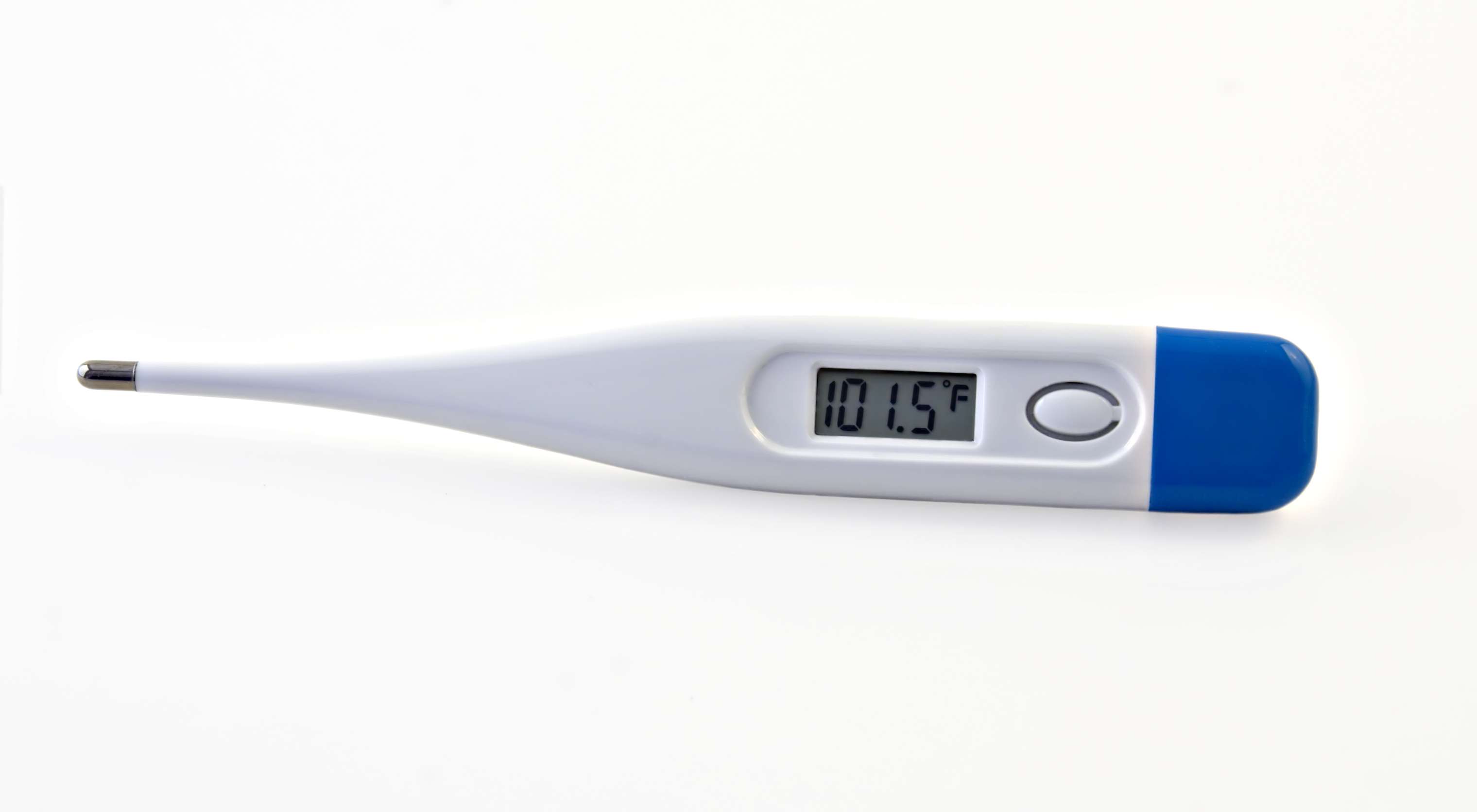
Pneumonia is an infection that inflames the air sacs in one or both lungs. Understanding its signs early on can lead to prompt treatment options that improve outcomes significantly.
- Main symptoms range from cough with phlegm production to fever, chills, chest pain while breathing or coughing
- A physician diagnoses pneumonia through physical examinations combined with chest X-rays or sputum tests
- Available treatment methods encompass antibiotics for bacterial pneumonia , along with cough suppressants if necessary in symptomatic cases .
- Patients should also get plenty of rest and maintain adequate hydration to facilitate healing .
With appropriate care measures instituted promptly , many individuals recover successfully after pneumonia episodes , usually returning back full strength within weeks .
ACUTE GASTROENTERITIS
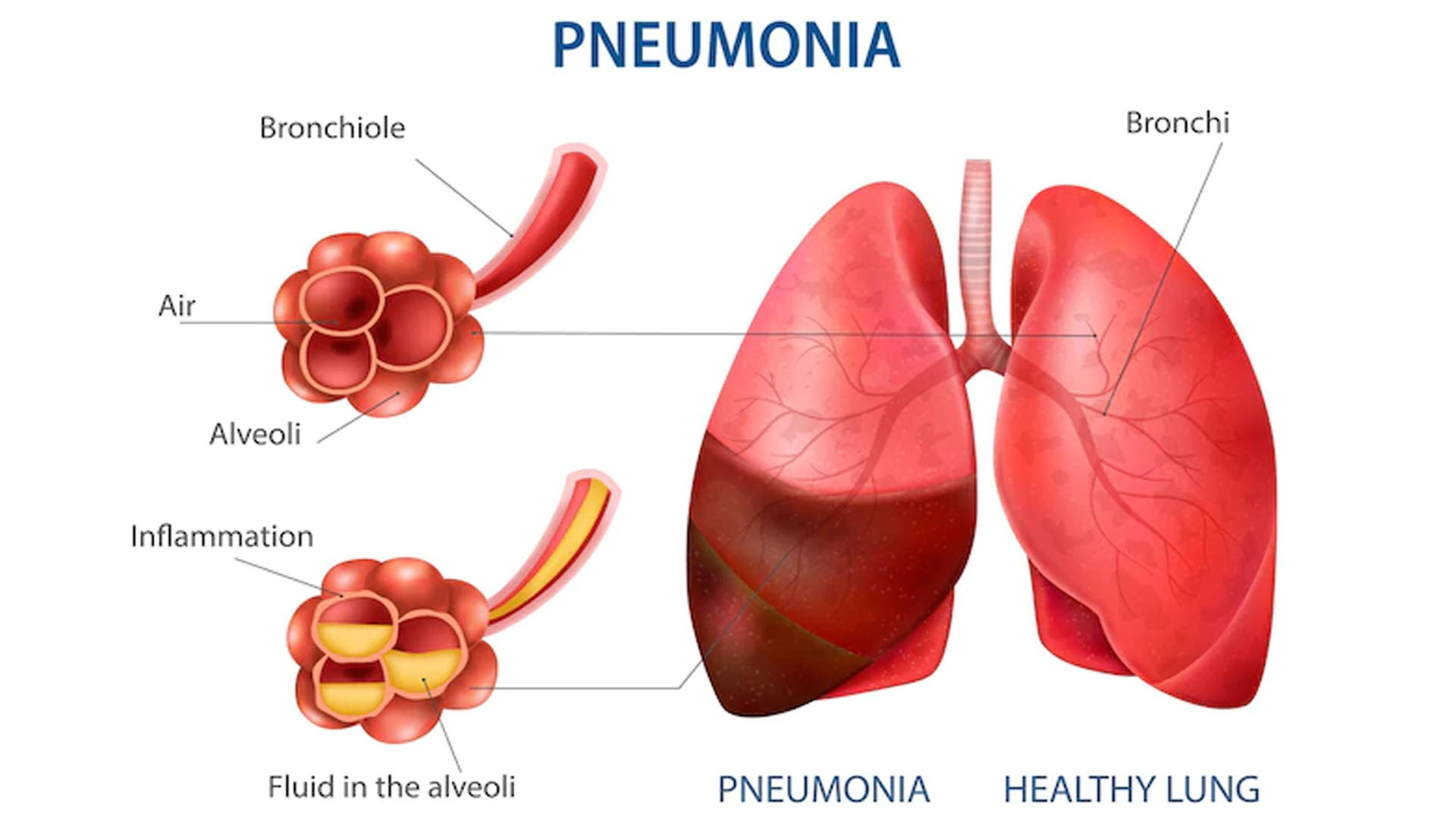
Acute gastroenteritis is an inflammation of the stomach and intestines caused by infections from viruses or bacteria. It leads to rapid onset of symptoms requiring timely intervention for relief and recovery.
- The most common signs include diarrhea, vomiting, abdominal cramps, fever, or nausea.
- A healthcare professional will often diagnose it based on clinical history and symptom presentation without the need for elaborate testing unless necessary.
- Treatment generally focuses on hydration to replenish lost fluids and electrolytes while dietary modifications can support recovery.
- If bacterial infection is suspected or persistent symptoms occur, antibiotics may be prescribed following medical evaluation.
Most patients recover fully within a few days with proper management; however, staying hydrated remains crucial throughout the illness duration.
CHRONIC OBSTRUCTIVE PULMONARY DISEASE (COPD)
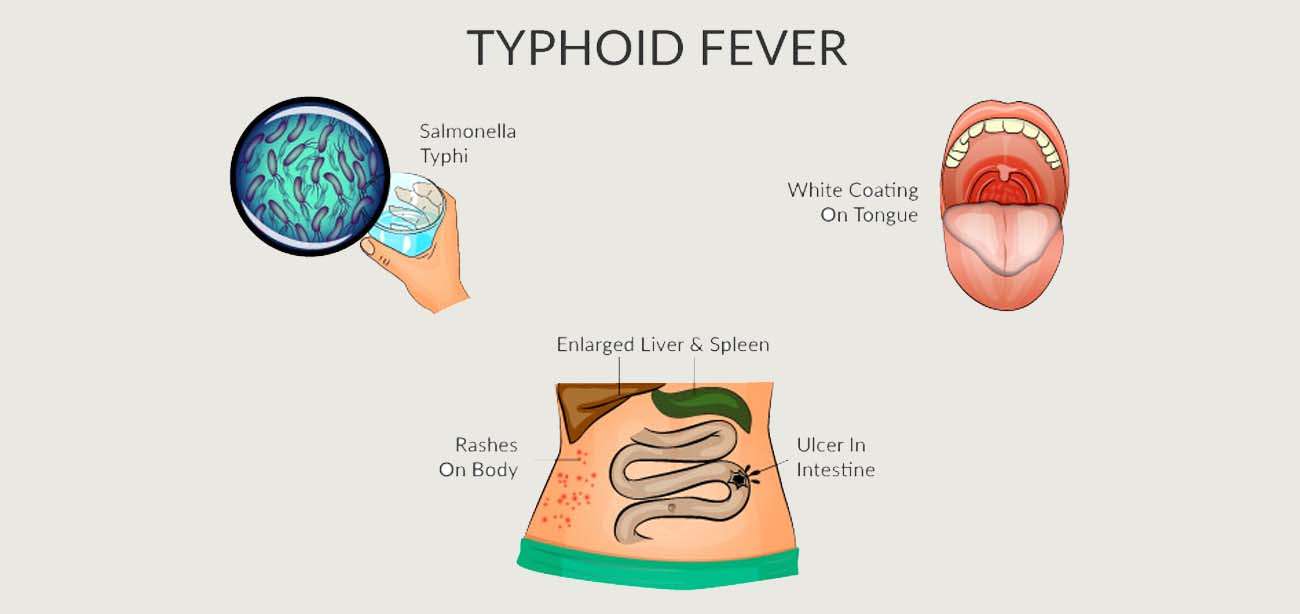
COPD is a progressive lung disease that causes breathing difficulties due to airflow obstruction. Early diagnosis can help manage symptoms effectively before significant damage occurs to the lungs.
- Main symptoms include chronic cough, wheezing, chest tightness, and shortness of breath during physical activities.
- A healthcare provider will assess lung function through tests like spirometry for proper diagnosis.
- Treatment strategies may include smoking cessation programs, inhalers for bronchodilation, and pulmonary rehabilitation exercises.
- Patients are encouraged to engage in regular physical activity tailored to their capacity to enhance lung function over time.
With appropriate care, individuals with COPD can maintain better control over their symptoms and enjoy an improved quality of life.
DIABETES MELLITUS
Diabetes Mellitus is a group of metabolic disorders characterized by high blood sugar levels over a prolonged period. Understanding this condition is vital for effective management and prevention of complications.
- Symptoms often include increased thirst, frequent urination, extreme fatigue, and blurred vision.
- A diagnosis is confirmed through fasting blood glucose tests or oral glucose tolerance tests.
- Management may involve lifestyle modifications like diet and exercise, alongside insulin therapy or oral medications.
- Monitoring blood sugar levels regularly is essential for effective control and avoiding complications.
- A support system can greatly aid in managing daily challenges associated with diabetes.
Proper management of Diabetes Mellitus contributes to better quality of life and reduces the risk of serious health problems over time.
HYPERTENSION
Hypertension, commonly known as high blood pressure, is a serious condition that can lead to severe health issues such as heart disease and stroke. It often presents with few or no symptoms, making regular monitoring essential.
- Common symptoms include severe headaches, nosebleeds, and shortness of breath.
- Diagnosis typically involves measuring blood pressure using a sphygmomanometer during routine check-ups.
- Treatment options may include lifestyle changes such as diet and exercise, along with medications like diuretics or ACE inhibitors.
- Patients should expect regular follow-ups to monitor their blood pressure levels and adjust treatments accordingly.
- Managing stress and maintaining a balanced lifestyle are crucial for long-term control.
Controlling hypertension significantly reduces the risk of complications, promoting overall health and well-being.