
Dr D S Rathore
About Me
Dr D S Rathore
MBBS
General Physician
Biography
My Clinic
OPD Hours
| Monday | Morning | 10:00 AM | - | 02:00 PM |
| Evening | 06:00 PM | - | 09:00 PM | |
| Tuesday | Morning | 10:00 AM | - | 02:00 PM |
| Evening | 06:00 PM | - | 09:00 PM | |
| Wednesday | Morning | 10:00 AM | - | 02:00 PM |
| Evening | 06:00 PM | - | 09:00 PM | |
| Thursday | Morning | 10:00 AM | - | 02:00 PM |
| Evening | 06:00 PM | - | 09:00 PM | |
| Friday | Morning | 10:00 AM | - | 02:00 PM |
| Evening | 06:00 PM | - | 09:00 PM | |
| Saturday | Morning | 10:00 AM | - | 02:00 PM |
| Evening | 06:00 PM | - | 09:00 PM | |
| Sunday | Morning | 10:00 AM | - | 02:00 PM |
| Evening | 06:00 PM | - | 09:00 PM |
Treatments
Specialised care and treatments offered
WEIGHT MANAGEMENT GUIDANCE

Effective weight management is integral for maintaining overall health and preventing a variety of diseases. Individuals seeking assistance should focus not only on weight loss but also on developing sustainable habits that promote a healthy lifestyle long-term.
- Excess weight can lead to complications such as diabetes type 2 and cardiovascular diseases among others; understanding one’s body mass index (BMI) is vital here.
- Medical evaluations usually assess personal history along with dietary patterns which assists in identifying specific needs
- Creating personalized meal plans enriched in nutrients while limiting processed foods forms the foundation of successful weight loss
- Incorporating physical activity into daily routines emerges as an effective way to boost metabolism enhancing weight loss efforts
With persistent effort combined with expert guidance anyone can achieve their desired weight goals fostering healthier living habits
GASTROINTESTINAL HEALTH

Diverse gastrointestinal issues affect millions globally; understanding these conditions promotes better community awareness. Proper digestive health influences general wellness significantly. It’s crucial for patients to recognize their body’s signals regarding digestion.
- Common symptoms include bloating, diarrhea, constipation, or abdominal pain which may indicate underlying problems like irritable bowel syndrome (IBS).
- A thorough assessment including medical history review and possibly imaging studies aids in accurate diagnosis of GI disorders.
- Management strategies encompass dietary changes focusing on fiber intake alongside adequate hydration
- Stress reduction techniques also play an important role in alleviating symptoms associated with gastrointestinal distress
Consistent communication with healthcare providers leads to tailored solutions ensuring optimal gastrointestinal function over time
RESPIRATORY HEALTH MANAGEMENT

Mild respiratory conditions like asthma or chronic obstructive pulmonary disease (COPD) require attention to prevent exacerbation. Patients should be informed about their symptoms and triggers for better management outcomes.
- The most common symptoms include wheezing, coughing, chest tightness, and shortness of breath during exertion or at rest.
- A healthcare provider will typically perform lung function tests to diagnose any respiratory issues accurately.
- Treatment often involves using inhalers that deliver medication directly to the lungs along with oral medications for severe cases.
- Lifestyle adjustments such as avoiding allergens and participating in respiratory rehabilitation programs enhance breathing capacity significantly.
An individualized management plan ensures optimal respiratory function while promoting overall well-being for those affected by these conditions.
CHOLESTEROL CONTROL
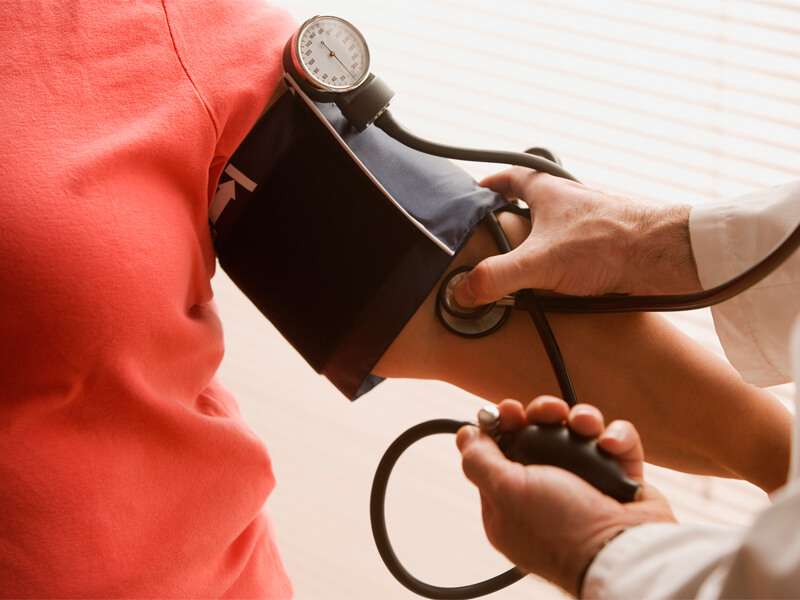
Elevated cholesterol levels can contribute to heart disease and other cardiovascular issues. Awareness of cholesterol levels is key in maintaining overall health. It’s essential to understand how diet and lifestyle choices affect lipid profiles.
- Symptoms are usually non-existent until significant health problems arise; hence routine checks are important.
- A lipid panel test helps diagnose high cholesterol by measuring different types of fats in the blood.
- Lifestyle modifications such as adopting a heart-healthy diet rich in fruits, vegetables, whole grains, along with regular exercise play a critical role in management.
- If necessary, medications like statins may be prescribed to lower cholesterol levels effectively.
Regular monitoring combined with proactive lifestyle changes can significantly improve heart health outcomes over time.
DIABETES MONITORING

Diabetes is a chronic condition characterized by elevated blood sugar levels. Effective monitoring and management are vital for preventing complications associated with this disease. Understanding the importance of regular check-ups can empower patients in their health journey.
- The primary symptoms include frequent urination, increased thirst, and fatigue.
- A diagnosis is made through fasting blood tests or HbA1c tests which provide insights into long-term glucose control.
- Management focuses on dietary adjustments, physical activity, and sometimes insulin therapy to maintain safe blood sugar levels.
- Self-monitoring of blood glucose at home can help in tracking progress and making necessary adjustments in treatment plans.
With the right approach and resources available, individuals with diabetes can live fulfilling lives while effectively managing their condition.
HYPERTENSION MANAGEMENT

Hypertension, or high blood pressure, is a common condition that can lead to serious health complications if left untreated. It often develops gradually over many years and may not show noticeable symptoms. Regular monitoring is essential for effective management.
- Symptoms can include headaches, shortness of breath, or nosebleeds but are often absent.
- Diagnosis typically involves measuring blood pressure readings on multiple occasions.
- Treatment options include lifestyle changes such as eating a balanced diet, exercising regularly, and reducing salt intake.
- Medication may be prescribed to help lower blood pressure when lifestyle modifications are insufficient.
- Regular follow-ups are crucial to adjust treatment plans based on individual needs.
With effective management, individuals with hypertension can lead normal, healthy lives while minimizing their risk of complications.