
Dr Dadlani Govind
About Me
Dr Dadlani Govind
Anesthesiologist
Biography
My Clinic
OPD Hours
| Tuesday | Morning | 10:00 AM | - | 02:00 PM |
| Evening | 06:00 PM | - | 09:00 PM | |
| Wednesday | Morning | 10:00 AM | - | 02:00 PM |
| Evening | 06:00 PM | - | 09:00 PM | |
| Thursday | Morning | 10:00 AM | - | 02:00 PM |
| Evening | 06:00 PM | - | 09:00 PM | |
| Friday | Morning | 10:00 AM | - | 02:00 PM |
| Evening | 06:00 PM | - | 09:00 PM | |
| Saturday | Morning | 10:00 AM | - | 02:00 PM |
| Evening | 06:00 PM | - | 09:00 PM | |
| Sunday | Morning | 10:00 AM | - | 02:00 PM |
| Evening | 06:00 PM | - | 09:00 PM | |
| Thursday | Morning | 10:00 AM | - | 02:00 PM |
| Evening | 06:00 PM | - | 09:00 PM |
Treatments
Specialised care and treatments offered
SPINAL ANESTHESIA
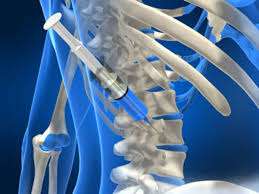
A popular choice for lower abdominal surgeries, spinal anesthesia involves an injection into the cerebrospinal fluid surrounding the spinal cord. It successfully numbs an area below the injection site while keeping patients awake but comfortable during surgery.'
'- '
- 'Pain Relief: This method effectively blocks sensation in lower limbs and abdomen, making it ideal for cesarean sections, hip surgeries, etc.;' '
- 'Doses: The appropriate dosage depends on individual factors like weight and type/scope of surgery planned;' '
- 'Recovery: Patients usually experience quick recoveries although some may have mild headaches following administration—which can be addressed promptly by physicians;' '
- 'No General Anesthesia Required: This alleviates risks linked traditionally with general approaches since awareness remains consistent throughout;
This technique presents numerous advantages over general anesthetics regarding both safety profiles along postoperative recovery timelines contributing toward overall improved patient satisfaction rates during difficult situations.'+'
MONITORED ANESTHESIA CARE (MAC)

This specialized form of anesthesia combines sedation with local anesthesia during procedures. It allows physicians to perform minor interventions while ensuring patient comfort and individual responsiveness throughout treatment routines.
- Use Case : Typically employed for outpatient procedures such as endoscopies or minor orthopedic surgeries where full general anesthesia isn't necessary yet maximum comfort is desired.
- Assessment proceeds through evaluation via medical history checks before any anesthetic drugs are administered accordingly.
- Administration entails monitoring vital signs closely alongside providing sedative agents combined with localized pain relief options when indicated by practitioner discretion.
Post-procedure recovery usually occurs quickly under observation—it enhances safety measures significantly versus traditional methods without sacrificing effectiveness.
SEDATION DENTISTRY

Sedation dentistry reduces anxiety for patients undergoing dental procedures by using sedative medications. This approach can range from minimal sedation where patients are relaxed yet aware, to deeper sedation where they are less responsive but easily aroused when needed.
- The need for sedation arises primarily due to heightened anxiety or fear associated with dental visits or invasive procedures such as extractions or implants.
- An initial consultation, including health history review and assessments regarding previous experiences with dental treatments, is crucial before administration begins.
- Treatment may involve different forms: inhalation (laughing gas), oral sedatives taken before the appointment, or intravenous medications provided by an anesthesiologist depending on patient needs and procedure types.
This valuable technique significantly improves patient comfort levels while facilitating necessary dental work—ensuring optimal outcomes without distress.
REGIONAL ANESTHESIA

This type of anesthesia numbs a specific region of the body while patients remain conscious. Regional anesthesia includes techniques such as nerve blocks that temporarily block sensations in certain areas.
- The symptoms warranting regional anesthesia often relate to pain management or surgical intervention in specific limbs or areas.
- A detailed detection process ensures appropriateness through health evaluations and discussions about past experiences with anesthesia.
- The procedure aims at injecting anesthetic agents around major nerves, providing remarkable relief from pain during operations like knee arthroscopy or carpal tunnel release.
- No significant recovery time is needed; however, some sensitivity reactions, while rare, should be discussed with healthcare providers prior to receiving treatment.
This technique enhances post-operative comfort significantly while allowing patients a quicker return to their routine activities post-surgery.
EPIDURAL ANESTHESIA

Epidural anesthesia provides pain relief during labor and certain surgeries by delivering anesthetic near the spinal cord. This localized approach targets specific areas of the body, offering comfort while allowing patients to remain awake.
- Common uses: It is often used during childbirth or for lower body surgeries such as hip replacements.
- The diagnosis of suitability involves assessing health history and discussing potential risks with patients beforehand.
- An epidural requires careful placement of a catheter to administer medication, which can be adjusted at any time based on pain levels.
- The side effects may include temporary numbness or weakness in the legs, but these typically resolve shortly after discontinuation of medication.
This method has transformed pain management strategies in obstetrics and surgery, allowing more individuals to experience less discomfort during procedures.
GENERAL ANESTHESIA

General anesthesia is a medically induced state that allows patients to undergo surgical procedures without awareness or discomfort. This form of anesthesia affects the entire body and is administered through inhalation or intravenous methods.
- Symptoms indicating the need for general anesthesia include the necessity for surgery, significant pain management, or diverse medical interventions.
- Diagnosis often involves a thorough pre-operative assessment focusing on the patient’s medical history and physical examination.
- Treatment options typically include monitoring vital signs, administering anesthetic drugs, and adjusting dosages based on patient response during the procedure.
- Post-operative management requires observation in a recovery area to ensure stability as patients gradually regain consciousness.
- What to expect: Patients may feel groggy and disoriented upon waking up, but this typically subsides quickly with proper care.
This method of anesthesia is crucial for performing various surgical techniques safely and effectively, ensuring a comfortable experience for patients.