
Dr Daksha Shah
About Me
Dr Daksha Shah
Pediatrician
Biography
My Clinic
OPD Hours
| Tuesday | Morning | 10:00 AM | - | 02:00 PM |
| Evening | 06:00 PM | - | 09:00 PM | |
| Wednesday | Morning | 10:00 AM | - | 02:00 PM |
| Evening | 06:00 PM | - | 09:00 PM | |
| Thursday | Morning | 10:00 AM | - | 02:00 PM |
| Evening | 06:00 PM | - | 09:00 PM | |
| Friday | Morning | 10:00 AM | - | 02:00 PM |
| Evening | 06:00 PM | - | 09:00 PM | |
| Saturday | Morning | 10:00 AM | - | 02:00 PM |
| Evening | 06:00 PM | - | 09:00 PM | |
| Sunday | Morning | 10:00 AM | - | 02:00 PM |
| Evening | 06:00 PM | - | 09:00 PM | |
| Thursday | Morning | 10:00 AM | - | 02:00 PM |
| Evening | 06:00 PM | - | 09:00 PM |
Treatments
Specialised care and treatments offered
EAR INFECTIONS

This common condition occurs when bacteria or viruses infect the middle ear causing pain and discomfort in children. Recognizing symptoms early facilitates prompt relief measures!
- Symptoms typically involve ear pain, irritability , difficulty sleeping , fever ,and sometimes drainage from the ear .
- Diagnosis usually combines physical exams where healthcare providers check eardrum appearance alongside patient-reported experiences .
- Treatment often entails prescribing antibiotics if indicated alongside pain relief measures such as acetaminophen/ibuprofen .
- Monitoring progress through follow-up visits ensures any recurring problems are addressed promptly .
With timely interventions , most kids respond well recovering without long-term issues arising from ear infections!
DEHYDRATION

This condition arises when fluid loss exceeds intake—common among children due to illness like fever or gastroenteritis. Awareness of its signs ensures quicker intervention when necessary.
- Main indicators include dizziness, dry mouth, minimal urination, lethargy, and dry skin—all reflecting inadequate hydration levels.
- A professional evaluation includes checking vital signs while assessing hydration status through history-taking regarding fluid intake versus loss from diarrhea/vomiting episodes.
- Treatment includes encouraging oral rehydration solutions; severely dehydrated kids might need intravenous fluids administered at a hospital setting for recovery.
- Preventive measures consist of ensuring proper hydration during illnesses accompanied by vomiting or diarrhea in young ones.
Proper treatment restores health quickly while monitoring keeps dehydration risks at bay.
ALLERGIC REACTIONS

An allergic reaction occurs when the immune system overreacts to substances like food or insect venom. In children, recognizing signs is vital for immediate treatment to prevent complications.
- The most common symptoms include hives, swelling, trouble breathing, nausea, or anaphylaxis—a severe reaction requiring urgent care.
- A detailed history of previous reactions helps in diagnosing allergies effectively along with skin tests or blood tests for further investigation if needed.
- Treatment primarily involves avoidance of known allergens alongside medications like antihistamines and emergency epinephrine injectors for serious cases.
- EpiPens can save lives; it's essential that parents know how to use them correctly during an incident involving severe allergies.
An understanding of potential triggers empowers families to handle allergic reactions safely at home or elsewhere.
PNEUMONIA
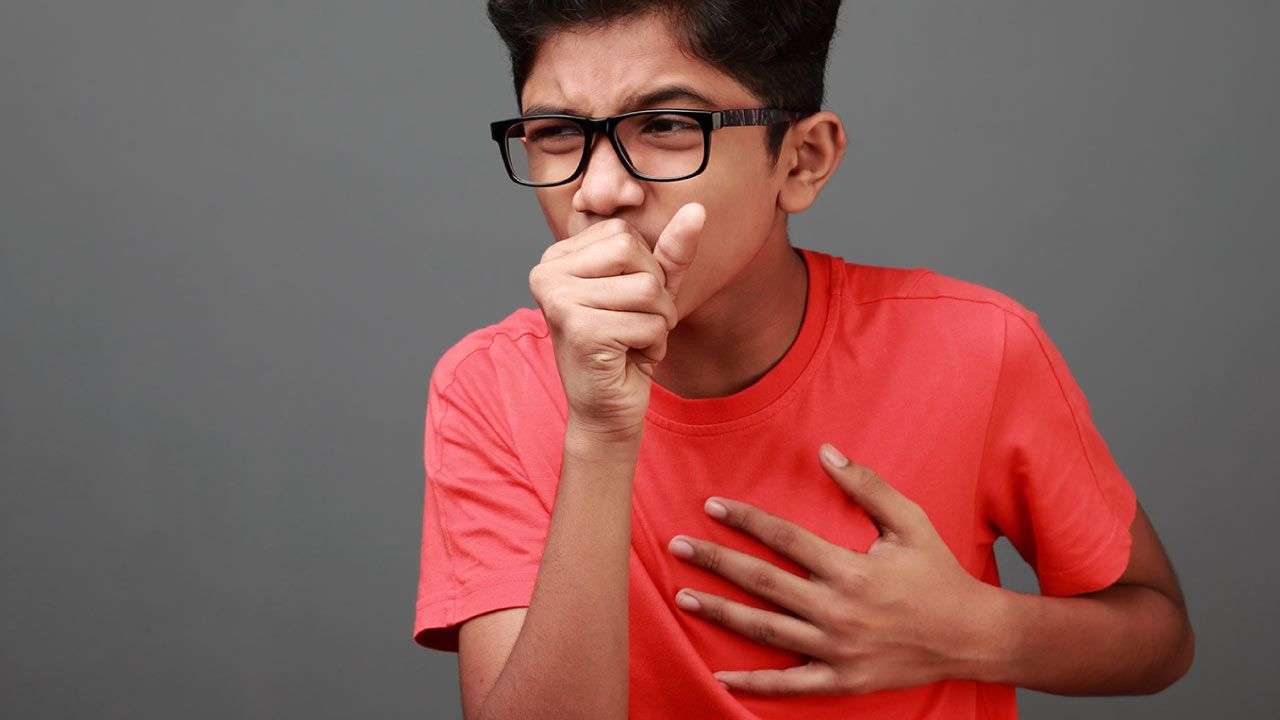
Pneumonia is an infection that inflames the air sacs in one or both lungs. Children are particularly susceptible, making timely diagnosis essential for optimal recovery.
- The condition presents with symptoms such as coughing, high fever, difficulty breathing, and chest pain.
- A healthcare provider will conduct a thorough assessment including a stethoscope check for unusual lung sounds and possibly imaging studies like chest X-rays for confirmation.
- Treatment varies based on the cause; viral pneumonia may require supportive care while bacterial infections may necessitate antibiotics for effective management.
- Kids might need hospitalization if they exhibit severe symptoms or struggle with breathing adequately during home care efforts.
Early intervention leads to better outcomes in pediatric patients facing pneumonia challenges.
GASTROENTERITIS
This common viral or bacterial infection can cause inflammation of the stomach and intestines in children. It's crucial to recognize the signs quickly to avoid dehydration.
- The primary symptoms include diarrhea, vomiting, stomach cramps, and sometimes fever.
- A doctor may perform a physical exam and check hydration levels to diagnose gastroenteritis accurately.
- Treatment focuses on rehydration, maintaining electrolyte balance with oral rehydration solutions or intravenous fluids in severe cases.
- Antibiotics may be prescribed if a bacterial infection is suspected. Providing small amounts of clear fluids helps ease symptoms further.
Prompt attention can ensure quick recovery from this often self-limiting condition.
ASTHMA
Asthma is a chronic respiratory condition that affects children and can lead to wheezing, shortness of breath, and frequent coughing. Identifying symptoms early is critical for effective management.
- Symptoms include wheezing, persistent cough, chest tightness, and difficulty breathing during physical activity.
- Diagnosis involves a thorough medical history, physical examination, and often lung function tests to assess airway responsiveness.
- Treatment options typically include inhalers, corticosteroids, and avoiding known triggers such as allergens or exercise-induced factors.
- Regular follow-ups are essential to monitor control of the condition and adjust medications accordingly.
- Children with asthma should have an emergency action plan in place to manage severe attacks effectively.
With appropriate care, most children can lead active lives while managing their asthma.