
DR Daruwala Dinyar Faredoon
About Me
DR Daruwala Dinyar Faredoon
Cardiologist
Biography
My Clinic
OPD Hours
| Tuesday | Morning | 10:00 AM | - | 02:00 PM |
| Evening | 06:00 PM | - | 09:00 PM | |
| Wednesday | Morning | 10:00 AM | - | 02:00 PM |
| Evening | 06:00 PM | - | 09:00 PM | |
| Thursday | Morning | 10:00 AM | - | 02:00 PM |
| Evening | 06:00 PM | - | 09:00 PM | |
| Friday | Morning | 10:00 AM | - | 02:00 PM |
| Evening | 06:00 PM | - | 09:00 PM | |
| Saturday | Morning | 10:00 AM | - | 02:00 PM |
| Evening | 06:00 PM | - | 09:00 PM | |
| Sunday | Morning | 10:00 AM | - | 02:00 PM |
| Evening | 06:00 PM | - | 09:00 PM | |
| Thursday | Morning | 10:00 AM | - | 02:00 PM |
| Evening | 06:00 PM | - | 09:00 PM |
Treatments
Specialised care and treatments offered
ATRIAL FIBRILLATION

This common arrhythmia involves an irregular heartbeat that can lead to various complications. Atrial fibrillation may present challenges but can often be managed effectively with appropriate strategies.
- Symptoms: Palpitations, dizziness, fatigue, or chest discomfort might occur in individuals experiencing this condition.
- Causes: High blood pressure, previous heart disease incidents, or hyperthyroidism could all contribute to its occurrence.
- Diagnosis: An electrocardiogram (ECG) is essential for diagnosing atrial fibrillation by identifying characteristic electrical patterns in the heart's rhythm.
HEART FAILURE
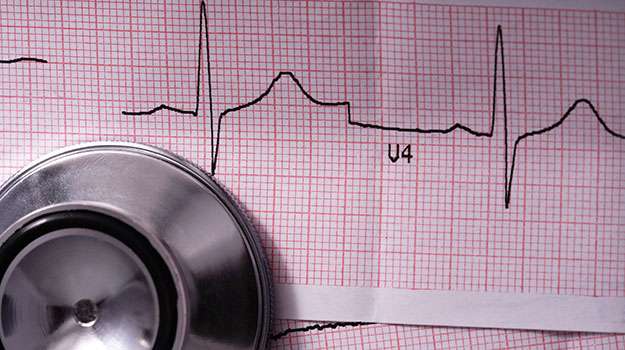
A complex syndrome where the heart is unable to pump blood effectively, heart failure can develop gradually. This chronic condition requires careful management to maintain quality of life.
- Symptoms: Patients often experience fatigue, swelling in legs or ankles, and difficulty breathing during exertion or when lying flat.
- Causes: Common causes include prior heart attacks, high blood pressure, and conditions like diabetes that affect heart function.
- Diagnosis: Diagnosis involves physical examinations, echocardiograms, and other imaging techniques to assess heart performance.
- Treatment/Management: Medications such as ACE inhibitors or beta-blockers are often prescribed along with lifestyle modifications for symptom relief and improved heart function.
- What to Expect: Regular evaluations are critical in adapting treatment plans according to changes in your health status over time.
A proactive approach to managing heart failure can enhance daily functioning significantly while minimizing complications.
CORONARY ARTERY DISEASE
This prevalent condition occurs when the coronary arteries become narrowed or blocked due to plaque buildup. It affects the heart's ability to receive oxygen-rich blood, which can impact overall heart function.
- Symptoms: Chest pain (angina), shortness of breath, and fatigue during physical activity are common signs.
- Causes: Factors include high cholesterol levels, smoking, diabetes, and a sedentary lifestyle contributing to atherosclerosis.
- Diagnosis: Diagnostic tests may include stress tests, electrocardiograms (ECGs), or angiograms.
- Treatment/Management: Treatments range from lifestyle changes and medications to more invasive procedures such as angioplasty or bypass surgery if necessary.
- What to Expect: Ongoing management typically involves regular check-ups with healthcare providers for effective care.
Catching coronary artery disease early enhances treatment effectiveness and improves quality of life significantly.
HYPERTENSION
Hypertension, commonly known as high blood pressure, is a condition where the force of the blood against the artery walls is consistently too high. It can lead to severe health complications if left untreated.
- Symptoms: Often called a 'silent killer,' hypertension may not present noticeable symptoms but can cause headaches and shortness of breath in some cases.
- Causes: Risk factors include obesity, lack of physical activity, excessive alcohol consumption, and genetic predisposition.
- Diagnosis: Blood pressure readings are taken using a sphygmomanometer; multiple readings may be necessary for an accurate diagnosis.
- Treatment/Management: Lifestyle modifications like diet and exercise are essential, along with medications such as diuretics or ACE inhibitors.
- What to Expect: Regular monitoring and follow-ups will help manage this chronic condition effectively over time.
Managing hypertension requires commitment to lifestyle changes and adherence to prescribed treatment plans.