
Dr Das
About Me
Dr Das
Dermatologist
Biography
My Clinic
OPD Hours
| Tuesday | Morning | 10:00 AM | - | 02:00 PM |
| Evening | 06:00 PM | - | 09:00 PM | |
| Wednesday | Morning | 10:00 AM | - | 02:00 PM |
| Evening | 06:00 PM | - | 09:00 PM | |
| Thursday | Morning | 10:00 AM | - | 02:00 PM |
| Evening | 06:00 PM | - | 09:00 PM | |
| Friday | Morning | 10:00 AM | - | 02:00 PM |
| Evening | 06:00 PM | - | 09:00 PM | |
| Saturday | Morning | 10:00 AM | - | 02:00 PM |
| Evening | 06:00 PM | - | 09:00 PM | |
| Sunday | Morning | 10:00 AM | - | 02:00 PM |
| Evening | 06:00 PM | - | 09:00 PM | |
| Thursday | Morning | 10:00 AM | - | 02:00 PM |
| Evening | 06:00 PM | - | 09:00 PM |
Treatments
Specialised care and treatments offered
SKIN ALLERGIES
A skin allergy occurs when the immune system reacts aggressively to a foreign substance. This reaction often results in redness, itching, and swelling upon contact with allergens like certain metals or chemicals。
- Symptoms encompass rashes that itch intensely and may blister depending on intensity.
- Common allergens include fragrances in personal care products or specific fabrics that irritate sensitive skin.
- Diagnosis typically involves patch testing under professional supervision along with reviewing individual health historyrelatedtoallergicreactions.
- Treatment options range from antihistamines for symptomatic reliefandtopicalsteroidsforreducinginflammation.
- Ongoing management requires identifying trigger substances through careful observationandmaintainingahealthyandsoothingskincare regimen.
Managingskinallergieseffectivelycanimprove overallcomfortandconfidenceinsocialsettings。
ROSACEA
Rosacea is a chronic inflammatory condition that primarily affects the facial skin. Symptoms usually develop gradually and vary significantly among individuals.
- The hallmark signs include facial flushing, persistent redness, visible blood vessels, and sometimes acne-like breakouts on the face.
- This condition may be triggered by environmental stimuli such as heat exposure or spicy foods; however its exact cause remains unclear.
- Diagnosis often involves evaluating clinical features alongside patient reported experiences regarding flare-ups.
- Common treatment approaches incorporate topical medications like metronidazole along with lifestyle adjustments aimed at avoiding known triggers.
- Patients often see fluctuation in severity over time but effective management strategies can lead to significant improvements in symptoms.
Understanding rosacea fosters better coping mechanisms for those affected while minimizing its impact on social interactions.
HYPERPIGMENTATION
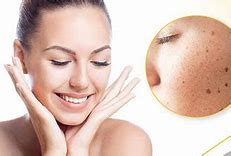
Hyperpigmentation refers to darkened areas of skin caused by excess melanin production. This condition can arise from various factors including sun exposure or hormonal changes.
- Main symptoms include dark spots or patches on areas exposed to sunlight like the face or hands.
- The causes range from sun damage, post-inflammatory hyperpigmentation after injuries or acne scars, to hormonal influences such as melasma during pregnancy.
- An accurate diagnosis usually entails examining the affected areas along with patient history related to skin changes.
- Treatment options often consist of topical agents such as hydroquinone or vitamin C serums combined with sun protection measures like SPF application daily.
A proactive approach towards preventing further pigmentation is essential for achieving a more even complexion over time.
PSORIASIS
Psoriasis is a chronic autoimmune condition characterized by rapid skin cell reproduction leading to thickened patches on the skin. It can significantly impact quality of life.
- The primary symptoms are red patches covered with silvery scales that might crack or bleed.
- The exact cause is linked to immune dysfunction and genetics but also involves environmental triggers.
- A dermatologist typically diagnoses psoriasis based on the appearance of the skin lesions during examination.
- Treatment may involve topical treatments like corticosteroids, phototherapy, or systemic medications for more severe cases.
- Patients can expect periods of remission with proper management but should be prepared for flare-ups occasionally.
With ongoing research and treatment advances, many people with psoriasis find effective ways to manage their symptoms successfully.
ECZEMA
Eczema is an inflammatory skin condition that leads to dry, itchy patches on the skin. It can be triggered by environmental factors or allergies.
- Main symptoms include redness, itching, and flaky skin in affected areas.
- Common causes involve genetic predispositions and reactions to irritants or allergens.
- A healthcare professional diagnoses eczema through physical examination and patient history of symptoms.
- Treatment strategies encompass moisturizers, topical steroids, and avoiding known triggers.
- Patients often notice a decrease in flare-ups by following a consistent skincare routine.
Caring for eczema requires understanding triggers and employing strategies to foster healthier skin.
ACNE VULGARIS
Acne vulgaris is a common skin condition characterized by the presence of pimples, blackheads, and cysts. It often develops during adolescence but can occur at any age.
- Symptoms include various forms of lesions, such as whiteheads, blackheads, and inflammatory papules.
- The causes are primarily hormonal changes, excess oil production, clogged pores, and bacterial growth.
- Diagnosis typically involves a clinical examination to assess the severity of the acne.
- Treatment options include topical retinoids, antibacterial creams, and lifestyle modifications like maintaining a balanced diet.
- Patients should expect gradual improvement over weeks to months with a personalized treatment plan.
Understanding acne vulgaris can empower individuals to manage their skin effectively and improve their confidence.