
Dr Dayanand Sharm
About Me
Dr Dayanand Sharm
MD
Dermatologist
Biography
My Clinic
OPD Hours
| Monday | Morning | 10:00 AM | - | 02:00 PM |
| Evening | 06:00 PM | - | 09:00 PM | |
| Tuesday | Morning | 10:00 AM | - | 02:00 PM |
| Evening | 06:00 PM | - | 09:00 PM | |
| Wednesday | Morning | 10:00 AM | - | 02:00 PM |
| Evening | 06:00 PM | - | 09:00 PM | |
| Thursday | Morning | 10:00 AM | - | 02:00 PM |
| Evening | 06:00 PM | - | 09:00 PM | |
| Friday | Morning | 10:00 AM | - | 02:00 PM |
| Evening | 06:00 PM | - | 09:00 PM | |
| Saturday | Morning | 10:00 AM | - | 02:00 PM |
| Evening | 06:00 PM | - | 09:00 PM | |
| Sunday | Morning | 10:00 AM | - | 02:00 PM |
| Evening | 06:00 PM | - | 09:00 PM |
Treatments
Specialised care and treatments offered
ROSACEA
A chronic condition characterized by facial redness that typically affects adults between 30-50 years old. It often manifests with flushing episodes followed by visible blood vessels over time
- Symptoms: Persistent redness primarily on cheeks/nose/chin/forehead accompanied by pustules similar to acne but without blackheads popping up.
- Triggers: Factors such as sun exposure, spicy foods & emotional stressors can worsen rosacea symptoms extensively for those affected thus understanding one’s triggers becomes key!
- Diagnosis Procedures: Based on clinical presentation alone however severity varies which warrants individualized assessments depending on unique manifestations experienced per person involved in each case scenario properly identifying each category respective thereof before diving into any treatment protocol thereafter pertinent thereby post confirmation thereof obtained afterwards henceforth forward progressing accordingly resulting eventually within plausible parameters prescribed e.g.; oral/topical medicaments respectively catered accordingly!
- Treatment Strategies Available Include: Often consists primarily utilizing laser procedures alongside medicinal methods aimed directly targeting inflammatory components driving this complex disorder thereafter maintaining consistent follow-up reviews needed longitudinally tracking outcomes observed thus resulting effectively alleviating recurrent issues arising respective thereof importantly also enhancing self-esteem positively!
CONTACT DERMATITIS
This condition occurs when the skin reacts after coming into contact with allergens or irritating substances. Identifying triggers is vital for effective management and prevention of flare-ups.
- Main Symptoms: Redness, itching, swelling at the contact site; blisters may form if irritation continues or is severe enough to break the skin barrier.
- Causes: Common irritants include soaps, detergents; allergens might include pollen or certain metals like nickel found in jewelry.
- Diagnosis: A detailed patient history along with physical examination typically identifies contact dermatitis cases easily.
- Treatment Options: The primary method involves avoiding known triggers while using soothing creams or topical steroids as needed for relief from discomfort.
If you suffer from frequent reactions to products you use daily, consult a dermatologist who can suggest personalized strategies for avoidance and care.
SKIN CANCER SCREENING
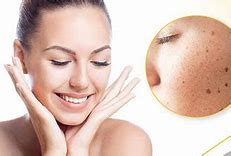
Catching skin cancer early significantly increases the chances of successful treatment. Regular screening is essential for those at higher risk due to factors such as fair complexion or family history of skin cancer.
- Suspicious Signs: Look for new moles or changes in existing moles (size, color); bleeding or non-healing sores should also be evaluated immediately.
- Cancer Types: The most common types include basal cell carcinoma, squamous cell carcinoma, and melanoma - the latter being the most aggressive form requiring prompt intervention.
- Diagnosis: Usually conducted through visual examination; a biopsy may be required for confirmation following initial assessment.
- Screening Recommendations: Individuals with high-risk factors should undergo regular dermatological check-ups every six months to a year.
- Importance of Early Detection: Early-stage detection leads to less invasive treatments and higher survival rates.
Maintaining vigilance about your skin's appearance plays a critical role in preventing advanced stages of disease.
ACNE
Acne is a prevalent skin condition affecting individuals of all ages, particularly during adolescence. It arises from clogged pores caused by excess oil production and dead skin cells.
- Symptoms: Presence of pimples, blackheads, cysts; potential scarring if not treated appropriately; inflammation around the affected area.
- Causes: Hormonal changes during puberty or menstruation are common culprits; stress and certain medications may also exacerbate acne symptoms.
- Diagnosis: Typically diagnosed through observation, considering patient’s age and hormonal status could also aid diagnosis decisions.
- Treatment Options: Treatments vary from topical prescription medications like benzoyl peroxide to systemic therapies like antibiotics in more severe cases.
An effective acne treatment plan can significantly boost confidence and improve overall skin health over time.
ECZEMA (ATOPIC DERMATITIS)
Eczema, also known as atopic dermatitis, is a common inflammatory skin condition characterized by itchy, red patches. It often starts in childhood but can persist into adulthood.
- Symptoms: Dry, sensitive skin; areas of redness and inflammation; severe itching that worsens at night.
- Causes: A combination of genetic and environmental factors can contribute to eczema outbreaks including irritants and allergens.
- Diagnosis: Usually based on medical history and physical examination; sometimes patch tests may be conducted to identify specific triggers.
- Treatment: Management includes moisturizing ointments, topical corticosteroids to reduce inflammation, and avoiding known triggers.
- Living with Eczema: Educating oneself about proper skincare routines is essential for managing flare-ups effectively.
A proactive approach can lead to successful management of eczema symptoms over time.
PSORIASIS
Psoriasis is a chronic autoimmune condition that primarily affects the skin, leading to the rapid growth of skin cells. This results in scaling and inflammation which can cause significant discomfort for those affected.
- Symptoms: Red patches covered with thick, silvery scales; dry, cracked skin that may bleed; itchy or burning sensations.
- Causes: The exact cause is unknown, but it involves an immune system problem with T cells and neutrophils attacking healthy skin cells.
- Diagnosis: Typically diagnosed through physical examination; in some cases, a biopsy may be taken to rule out other skin disorders.
- Treatment Options: Includes topical treatments such as corticosteroids and vitamin D analogues; phototherapy or systemic medications may be recommended for more severe cases.
- Management: Regular dermatologist visits are crucial to monitor the condition and adjust treatment plans as necessary.
If you suspect you have psoriasis, early intervention can help manage symptoms effectively and improve quality of life.