
Dr DC Amal
About Me
Dr DC Amal
MBBS
General Physician
10 Years Experience
Biography
My Clinic
OPD Hours
| Monday | Morning | 10:00 AM | - | 02:00 PM |
| Evening | 06:00 PM | - | 09:00 PM | |
| Tuesday | Morning | 10:00 AM | - | 02:00 PM |
| Evening | 06:00 PM | - | 09:00 PM | |
| Wednesday | Morning | 10:00 AM | - | 02:00 PM |
| Evening | 06:00 PM | - | 09:00 PM | |
| Thursday | Morning | 10:00 AM | - | 02:00 PM |
| Evening | 06:00 PM | - | 09:00 PM | |
| Friday | Morning | 10:00 AM | - | 02:00 PM |
| Evening | 06:00 PM | - | 09:00 PM | |
| Saturday | Morning | 10:00 AM | - | 02:00 PM |
| Evening | 06:00 PM | - | 09:00 PM | |
| Sunday | Morning | 10:00 AM | - | 02:00 PM |
| Evening | 06:00 PM | - | 09:00 PM |
Treatments
Specialised care and treatments offered
PREVENTIVE HEALTH SCREENINGS
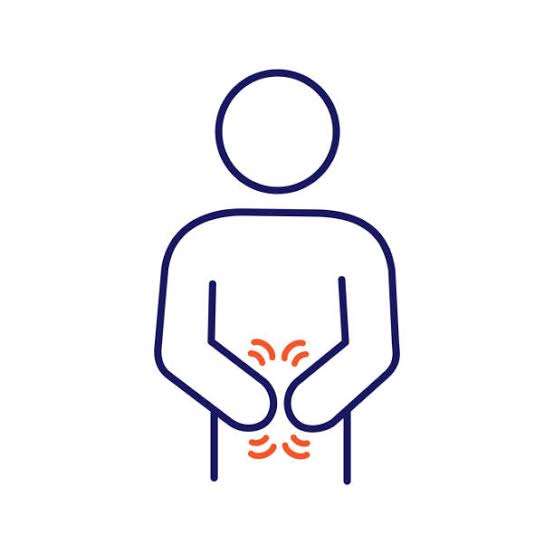
Preventive health screenings play an integral role in early detection of various conditions before they become serious health issues. By staying ahead through scheduled check-ups, patients can proactively manage their health status...
- Common tests include blood pressure measurements , cholesterol assessments , cancer screenings (e.g., mammograms , colonoscopies ) as well as diabetes checks among others applicable depending age gender background history .
- Recommendations regarding frequency rely heavily upon factors such existing risk factors hereditary predispositions ultimately aimed optimizing individual outcomes .
- Many preventive measures encompass lifestyle interventions addressing nutrition exercise habits mental wellness positively impacting overall quality life experience enhancing longevity .
- Collaborating closely with trusted physicians ensures that tailored protocols properly reflect changing needs evolving circumstances throughout various life stages promoting sustained vigilance prioritizing long-term well-being success .
:: Neglecting preventive visits could delay discovery prevent intervention opportunities thus it remains imperative integrate regular check-up routines into daily lives consequently safeguarding priceless asset - our health!
THYROID DISORDERS MANAGEMENT

Thyroid disorders affect hormone production that regulates metabolism among other bodily functions. Understanding these conditions leads to better management strategies tailored specifically towards restoring balance in hormone levels...
- Symptoms may encompass sudden weight changes, fatigue, mood fluctuations or cold intolerance depending on whether the disorder results in hyperthyroidism or hypothyroidism.
- Diagnosis often includes comprehensive blood tests measuring TSH (Thyroid Stimulating Hormone) alongside free T3/T4 hormones assisting medical professionals discern underlying issues .
- Treatment options vary widely including synthetic hormone replacements for hypothyroidism while hyperthyroid cases may require antithyroid drugs , radioactive iodine therapy , or surgery .
- Ongoing monitoring post-treatment ensures effectiveness evaluating side effects allowing timely interventions if necessary .
- Establishing collaborative communication channels with healthcare providers augment self-management initiatives empowering individuals experience optimal well-being .
Engaging promptly with potential thyroid disturbances mitigates advancement leading personalized pathways toward enhanced vitality overall!
CHOLESTEROL MANAGEMENT
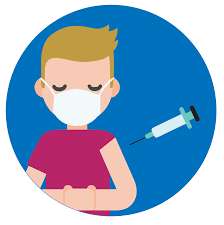
Elevated cholesterol levels are a significant risk factor for cardiovascular diseases. Therefore, understanding how to manage cholesterol is crucial for overall heart health.
- The presence of high cholesterol typically shows no clear symptoms; hence regular screening is vital to detect abnormalities early on.
- A healthcare professional uses blood tests called lipid panels to measure LDL (bad cholesterol), HDL (good cholesterol), and triglycerides for accurate assessment.
- Treatment may involve lifestyle changes like adopting a heart-healthy diet rich in fibers while lowering saturated fats intake alongside possibly prescribed medications like statins when warranted.
- Your doctor will likely recommend ongoing monitoring of your cholesterol levels to gauge the effectiveness of the treatment plan over time.
- An open dialogue about any concerns regarding treatment can facilitate better adherence and outcomes leading to improved cardiovascular health overall.
Regular evaluations help tailor strategies suited uniquely to each patient's profile by leveraging continuous support from your healthcare team.
ASTHMA TREATMENT
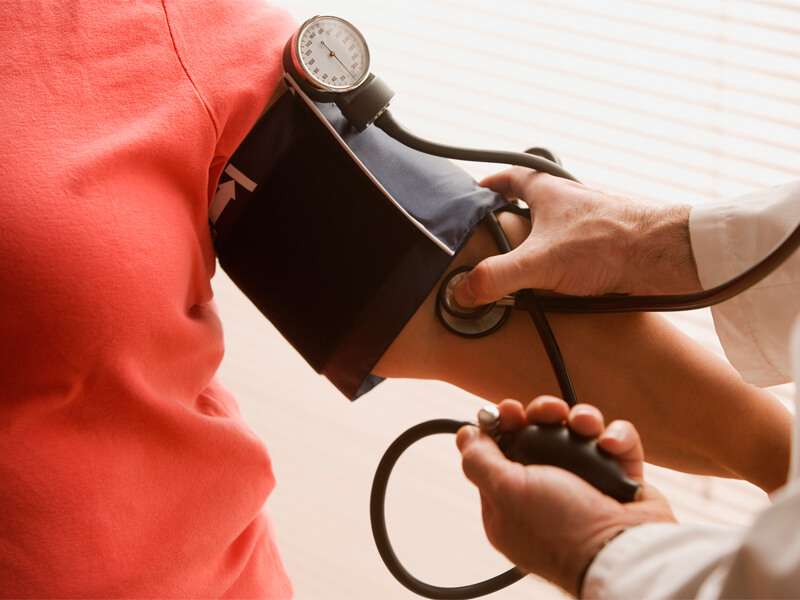
Asthma is a chronic respiratory condition characterized by inflammation and narrowing of the airways. Proper management is essential for maintaining control over symptoms and preventing attacks.
- The most common symptoms involve wheezing, chest tightness, coughing, and shortness of breath which can vary in intensity from person to person.
- A diagnosis typically involves a physical exam and pulmonary function tests to assess lung capacity and airway responsiveness.
- Treatment approaches might include inhaled corticosteroids for inflammation control and bronchodilators for immediate relief during an asthma attack.
- A personalized action plan created with your doctor will help you manage triggers effectively while ensuring proper medication usage during emergencies.
- (Regular follow-ups will also allow adjustments as necessary based on symptom changes.)
If you suffer from asthma symptoms, consult a physician promptly for an individualized treatment strategy that fits your lifestyle needs.
DIABETES MANAGEMENT

Diabetes is a chronic condition that affects how your body metabolizes sugar (glucose). Managing diabetes effectively is vital for preventing long-term complications.
- Symptoms often include increased thirst, frequent urination, extreme fatigue, and blurred vision.
- The diagnosis usually involves blood tests measuring glucose levels. A fasting test or A1C test may be used for definitive results.
- Treatment strategies focus on maintaining normal glucose levels through a balanced diet, physical activity, and medication such as insulin or oral hypoglycemics.
- Coping with diabetes also includes regular monitoring of blood sugar levels to identify trends and adjust treatment as needed.
- A partnership with your healthcare provider can greatly enhance disease management and overall quality of life.
Being proactive in managing diabetes significantly reduces the risk of complications over time.
HYPERTENSION MANAGEMENT
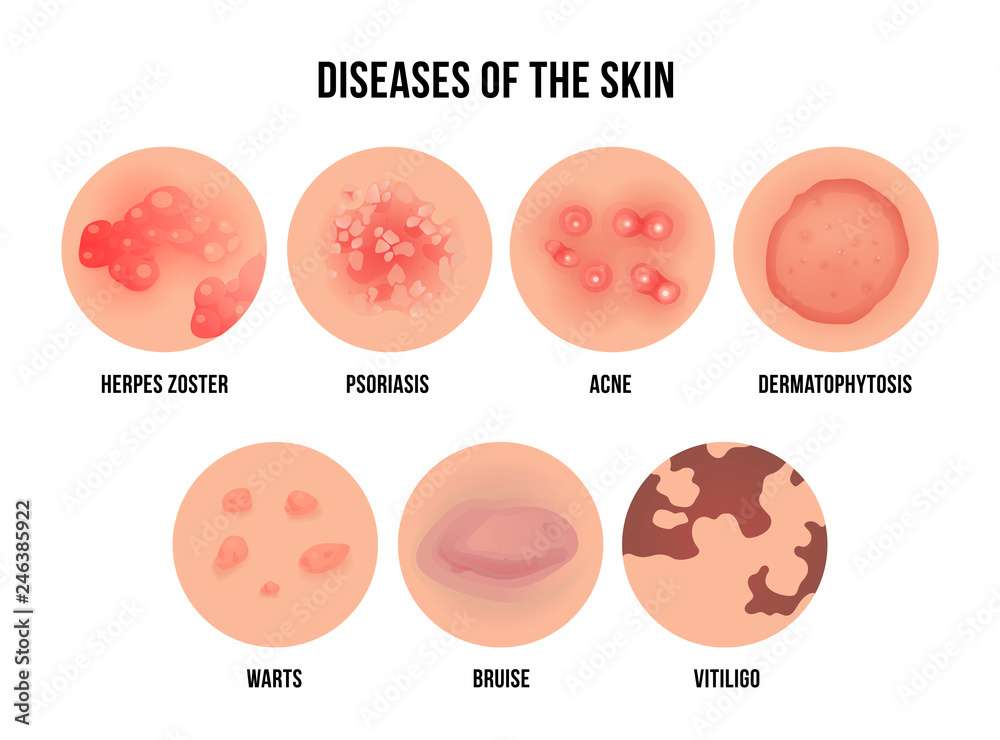
Hypertension, or high blood pressure, is a prevalent health issue affecting millions worldwide. It can lead to serious complications if left untreated, making effective management essential.
- Symptoms may include headaches, shortness of breath, and nosebleeds; however, many individuals may be asymptomatic.
- The condition is often diagnosed through routine blood pressure checks during medical visits.
- Treatment options typically include lifestyle modifications such as diet and exercise, along with medications like diuretics or ACE inhibitors.
- Regular monitoring is crucial to adjust treatment plans effectively and ensure optimal health outcomes.
- A patient can expect consistent evaluations from their healthcare provider to address any arising concerns promptly.
If you suspect hypertension, seeking timely advice can prevent more severe health risks in the future.