
Dr DC Gupta Cons
About Me
Dr DC Gupta Cons
MD
Pulmonologist
10 Years Experience
Biography
My Clinic
OPD Hours
| Monday | Morning | 10:00 AM | - | 02:00 PM |
| Evening | 06:00 PM | - | 09:00 PM | |
| Tuesday | Morning | 10:00 AM | - | 02:00 PM |
| Evening | 06:00 PM | - | 09:00 PM | |
| Wednesday | Morning | 10:00 AM | - | 02:00 PM |
| Evening | 06:00 PM | - | 09:00 PM | |
| Thursday | Morning | 10:00 AM | - | 02:00 PM |
| Evening | 06:00 PM | - | 09:00 PM | |
| Friday | Morning | 10:00 AM | - | 02:00 PM |
| Evening | 06:00 PM | - | 09:00 PM | |
| Saturday | Morning | 10:00 AM | - | 02:00 PM |
| Evening | 06:00 PM | - | 09:00 PM | |
| Sunday | Morning | 10:00 AM | - | 02:00 PM |
| Evening | 06:00 PM | - | 09:00 PM |
Treatments
Specialised care and treatments offered
TUBERCULOSIS SCREENING
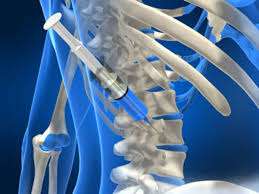
Tuberculosis (TB) continues as a global public health issue impacting millions worldwide; thus awareness regarding screening methods remains imperative particularly among high-risk groups.
- Symptoms: Prolonged cough lasting three weeks with possible blood-streaked mucus along with unexplained weight loss should prompt consideration towards TB testing promptly! / < li />
>
PNEUMONIA PREVENTION

Pneumonia remains a serious respiratory infection that inflames air sacs in one or both lungs. Understanding preventive measures can significantly reduce risks associated with this condition.
- Symptoms: Coughing that produces phlegm or pus accompanied by fever chills could indicate pneumonia presence requiring immediate medical intervention.
- Causes: Viruses including influenza virus or bacteria such as Streptococcus pneumoniae primarily cause pneumonia; furthermore weakened immune systems elevate susceptibility levels.
- Diagnosis: Chest X-rays validate pulmonary involvement whereas blood cultures confirm infectious agents responsible behind the illness.
- Treatment Options: Varies based on severity ranging from antibiotics prescribed for bacterial pneumonia alongside supportive care emphasizing hydration/rest are vital components long term recovery rates!
The implementation of vaccines against pneumococcal disease transforms preventive approaches towards safeguarding health against pneumonia!
SLEEP APNEA EVALUATION

This sleep disorder characterized by repeated pauses in breathing during sleep often goes undiagnosed yet has significant health consequences. Addressing it is fundamental for long-term well-being.
- Symptoms: Common signs include loud snoring followed by choking sounds during sleep or excessive daytime fatigue due to disrupted sleep patterns.
- Causes: Obesity frequently contributes; however anatomical factors like enlarged tonsils or specific jaw structures can also play a role.
- Diagnosis: Polysomnography (sleep study) captures brain activity alongside breathing patterns to diagnose effectively.
- Treatment: Options vary from lifestyle changes and CPAP (Continuous Positive Airway Pressure) devices to surgical interventions when necessary.
With adequate evaluation and personalized treatment strategies tailored towards individual requirements will bring noticeable improvements!
LUNG CANCER SCREENING

Lung cancer screening plays a vital role in early detection for high-risk individuals. Detecting this disease at an earlier stage significantly improves treatment outcomes.
- Symptoms: Early-stage lung cancer may present no symptoms; however, advanced cases might show unexplained weight loss, persistent coughs, or blood in sputum.
- Causes: The predominant risk factor is tobacco use; however, exposure to radon gas and asbestos increases risk levels too.
- Diagnosis: Low-dose CT scans are effective screening tools recommended for individuals with heavy smoking histories or specific age groups.
- Treatment Options: Depending on the stage at diagnosis; surgery, chemotherapy, or radiation therapy may be options for treatment management.
Catching lung cancer early through screening can pave the way for more successful interventions!
ASTHMA MANAGEMENT

A common chronic condition affecting the airways in the lungs, asthma causes inflammation and narrowing that lead to difficulty in breathing. It is essential for patients to recognize triggers early on.
- Symptoms: Patients may experience wheezing, chest tightness, shortness of breath, and coughing at night or early morning.
- Causes: Allergens like pollen or dust mites, along with irritants like smoke or strong odors, often trigger asthma symptoms.
- Diagnosis: Diagnosis typically involves a detailed medical history review along with spirometry tests to check lung function.
- Treatment: A combination of inhaled corticosteroids and bronchodilators helps control symptoms. Patient education about avoidance strategies is also crucial.
- What to Expect: With proper management plans in place and adherence to medications, individuals can lead normal lives with minimal disruptions due to asthma.
An individualized approach ensures effective control of symptoms while minimizing flare-ups for better daily functioning.
CHRONIC OBSTRUCTIVE PULMONARY DISEASE (COPD)

Chronic Obstructive Pulmonary Disease is a progressive lung condition that makes breathing difficult. Commonly caused by long-term exposure to harmful substances, it often extends beyond shortness of breath.
- Symptoms: Persistent coughing, excess mucus production, frequent respiratory infections, fatigue, and wheezing are typical indicators.
- Causes: Major contributors include smoking, air pollution, and genetic factors such as alpha-1 antitrypsin deficiency.
- Diagnosis: Spirometry tests measure airflow limitation and lung function, while imaging tests like chest X-rays can reveal lung abnormalities.
- Treatment: Management may involve bronchodilators, steroids, pulmonary rehabilitation, and lifestyle modifications like quitting smoking.
- What to Expect: Although COPD is not curable, effective treatments can help manage symptoms and improve the quality of life.
A proactive approach to managing COPD can greatly enhance one’s life quality and longevity.