
Dr Debabrata Dash
About Me
Dr Debabrata Dash
Cardiologist
Biography
My Clinic
OPD Hours
| Tuesday | Morning | 10:00 AM | - | 02:00 PM |
| Evening | 06:00 PM | - | 09:00 PM | |
| Wednesday | Morning | 10:00 AM | - | 02:00 PM |
| Evening | 06:00 PM | - | 09:00 PM | |
| Thursday | Morning | 10:00 AM | - | 02:00 PM |
| Evening | 06:00 PM | - | 09:00 PM | |
| Friday | Morning | 10:00 AM | - | 02:00 PM |
| Evening | 06:00 PM | - | 09:00 PM | |
| Saturday | Morning | 10:00 AM | - | 02:00 PM |
| Evening | 06:00 PM | - | 09:00 PM | |
| Sunday | Morning | 10:00 AM | - | 02:00 PM |
| Evening | 06:00 PM | - | 09:00 PM | |
| Thursday | Morning | 10:00 AM | - | 02:00 PM |
| Evening | 06:00 PM | - | 09:00 PM |
Treatments
Specialised care and treatments offered
PERICARDITIS

Pericarditis refers to inflammation lining surrounding the heart caused primarily by infection,disease processor even recent surgery .Patients undergoing significant stressors could end up presenting acute nuanced symptoms.
- Symptoms: Sharp chest pain radiating into shoulders ; feverish sensations ; swelling might indicateinfection effects ; potentialfluid accumulation aroundheartcommonly termed effusion .
- Causes: Viral infectionsarecommon culprits but autoimmune disordersand certainmedicationscan also trigger inflammation .
- Diagnosis: Healthcare providersmay utilize echocardiograms alongsidebloodworkto assess inflammatory leveland detect abnormal fluid presence .
- Treatmentoptions: Mild cases mightjust warrant observation while medicationlike NSAIDscouldprovide symptom relief ; more severe instances may requiredrainingexcess fluidif detected .
- Whattoexpect:Although most patients respondwellto corresponding therapies , some casescould necessitate recurrent evaluationsforlong-term managementof underlying triggers .
Early identification coupled with appropriate treatmentprotocolis essentialaspericarditis couldcarry manifestations impactingoverallwell-beingwhen not addressedpromptly.
CORONARY ARTERY DISEASE
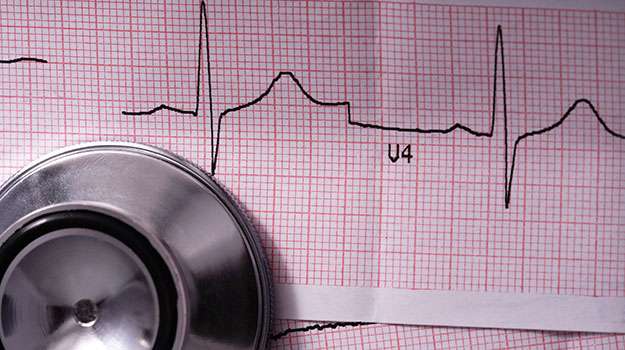
This disease involves narrowing of coronary arteries due to plaque buildup which restricts blood flow to the heart muscle. Left untreated; it can lead to chest pain (angina) or even a heart attack over time
.HYPERTENSION
This chronic condition is characterized by elevated blood pressure levels that can lead to severe health issues if left unmanaged. Hypertension often goes unnoticed until it results in serious complications such as stroke or heart attack.
- Symptoms: Many individuals are asymptomatic; however, headaches and nosebleeds may occur in severe cases.
- Causes: Primary hypertension develops without an identifiable cause while secondary hypertension arises due to underlying conditions like kidney disease or hormonal disorders.
ARRHYTHMIA
An Arrhythmia refers to irregularities in the heartbeat. This condition can affect the efficiency of the heart's pumping action and can be either benign or serious depending on its nature.
- Symptoms: Palpitations, dizziness, fainting spells, or chest discomfort may occur.
- Causes: Factors include previous heart disease, excessive caffeine intake, stress, or electrolyte imbalances.
- Diagnosis: An electrocardiogram (ECG) is used to identify the type of arrhythmia present in the patient’s heart rhythm.
- Treatment options: Depending on severity, treatments range from lifestyle changes to medications or even surgical interventions like ablation procedures.
Your healthcare provider will guide you through understanding your specific type of arrhythmia for better management strategies.
HEART FAILURE
Heart Failure is a chronic condition where the heart cannot pump blood effectively. It can result from various underlying causes including coronary artery disease and high blood pressure.
- Symptoms: Patients may experience fatigue, swollen legs or ankles, and difficulty breathing.
- Diagnosis: Assessment includes physical examinations and tests such as echocardiograms and blood tests to determine heart function.
- Treatment options: Medications such as ACE inhibitors or beta-blockers are often prescribed along with lifestyle modifications.
- Management: Regular follow-ups are vital for monitoring progress and adjusting treatments as needed.
This condition requires ongoing management but many patients lead active lives with appropriate care.
ACUTE MYOCARDIAL INFARCTION
Acute Myocardial Infarction (AMI), commonly known as a heart attack, occurs when blood flow to a part of the heart is blocked, typically by a blood clot. This blockage can lead to damage or death of heart muscle tissue.
- Symptoms: Common signs include chest pain, shortness of breath, nausea, and sweating.
- Causes: Risk factors include high cholesterol, hypertension, smoking, and diabetes.
- Diagnosis: Doctors may perform an ECG, blood tests for cardiac markers, and imaging studies.
- Treatment options: Management may involve medications like antiplatelets or thrombolytics and procedures such as angioplasty.
- Expectations: Prompt treatment is crucial; recovery may involve lifestyle changes and rehabilitation.
If you experience symptoms of a heart attack, seek emergency help immediately to improve outcomes.