
Dr Debashish Das
About Me
Dr Debashish Das
General Physician
Biography
My Clinic
OPD Hours
| Tuesday | Morning | 10:00 AM | - | 02:00 PM |
| Evening | 06:00 PM | - | 09:00 PM | |
| Wednesday | Morning | 10:00 AM | - | 02:00 PM |
| Evening | 06:00 PM | - | 09:00 PM | |
| Thursday | Morning | 10:00 AM | - | 02:00 PM |
| Evening | 06:00 PM | - | 09:00 PM | |
| Friday | Morning | 10:00 AM | - | 02:00 PM |
| Evening | 06:00 PM | - | 09:00 PM | |
| Saturday | Morning | 10:00 AM | - | 02:00 PM |
| Evening | 06:00 PM | - | 09:00 PM | |
| Sunday | Morning | 10:00 AM | - | 02:00 PM |
| Evening | 06:00 PM | - | 09:00 PM | |
| Thursday | Morning | 10:00 AM | - | 02:00 PM |
| Evening | 06:00 PM | - | 09:00 PM |
Treatments
Specialised care and treatments offered
URINARY TRACT INFECTIONS (UTIS)
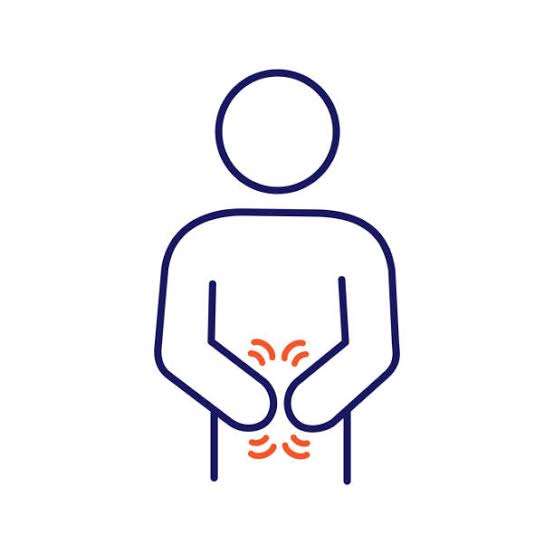
A urinary tract infection (UTI) occurs when bacteria enter the urinary system causing inflammation. These infections are prevalent among all genders but are particularly common in women due to anatomical considerations.
- Symptoms: Typical presentations include frequent urges to urinate accompanied by burning sensations during urination alongside possible lower abdominal discomfort.
- Diagnosis: Diagnosis primarily involves urinalysis looking for signs of infection such as white blood cells or bacteria present in urine samples.
- Treatment/Management: UTIs generally respond well to antibiotic treatment lasting several days based upon culture results confirming specific bacteria strains involved.
- What To Expect: Most patients experience significant symptom resolution within 48 hours after starting antibiotics allowing them normalcy swiftly thereafter!
If you suspect experiencing UTI symptoms seek prompt medical attention ensuring effective symptomatic relief without delay!
ANEMIA

Anemia is a condition marked by a deficiency in red blood cells or hemoglobin in the blood. This results in reduced oxygen delivery throughout the body leading to fatigue and weakness among other symptoms.
- Symptoms: Patients often report feeling tired easily, pale skin tone, dizziness or lightheadedness during normal activities.
- Diagnosis: Diagnosis involves complete blood counts (CBC) tests that help assess red blood cell levels along with iron studies where appropriate.
- Treatment/Management: Managing anemia depends on its type; iron supplements might suffice for iron-deficiency anemia while vitamin B12 shots could be necessary for pernicious anemia.
- What to Expect: Treatment regimens usually improve energy levels quickly once deficiencies are corrected but require consistent follow-ups for monitoring progress.
Taking proactive steps towards addressing anemia enhances overall vitality while preventing further complications down the line.
DIABETES MELLITUS

Diabetes mellitus encompasses a group of diseases characterized by high blood sugar levels due to insufficient insulin production or action. Long-term elevated glucose levels can lead to serious health issues if not managed properly.
- Symptoms: Key indicators include increased thirst, frequent urination, fatigue, blurred vision, and slow healing wounds.
- Diagnosis: Blood tests measuring fasting glucose levels or Hemoglobin A1c provide insight into diabetes presence and management needs.
- Treatment/Management: Treatment focuses on lifestyle changes like diet modification and exercise; medications including insulin therapy may be necessary for more advanced cases
Effective diabetes management enables individuals to lead healthy lives while preventing potential complications from the disease.
GASTROENTERITIS
Gastroenteritis is an inflammation of the stomach and intestines commonly caused by viral or bacterial infections. It leads to gastrointestinal distress characterized by diarrhea and vomiting.
- Symptoms: Patients usually experience nausea, vomiting, diarrhea, abdominal cramps, and sometimes fever.
- Diagnosis: A physical examination along with patient history typically suffices; lab tests can determine causative agents if necessary.
- Treatment/Management: Hydration is crucial; oral rehydration solutions replace lost fluids. In severe cases, intravenous fluids may be administered in a clinical setting.
- What to Expect: Most individuals recover fully within a few days but should monitor hydration levels closely throughout their illness.
A comprehensive understanding of gastroenteritis can aid individuals in preventing transmission and ensuring appropriate care when symptoms arise.
ACUTE RESPIRATORY INFECTIONS

Acute respiratory infections (ARIs) encompass various infections affecting the respiratory tract, including the common cold and flu. These infections are often caused by viruses but can also result from bacterial pathogens.
- Symptoms: Common signs include cough, sore throat, fever, and difficulty breathing in severe cases.
- Diagnosis: Medical history review and physical examination are essential; further tests may involve throat swabs or chest X-rays if needed.
- Treatment/Management: Management typically includes rest, hydration, and over-the-counter medications for symptom relief; antibiotics may be necessary for bacterial cases.
- What to Expect: Most ARIs resolve within a week; however, complications may arise in vulnerable populations such as the elderly or those with chronic illnesses.
A timely diagnosis and appropriate treatment enhance recovery speed while minimizing the risk of complications.
HYPERTENSION
Hypertension, commonly known as high blood pressure, is a chronic medical condition that can lead to severe health complications if left unmanaged. It occurs when the force of blood against artery walls is consistently too high, often showing no symptoms initially.
- Symptoms: Many individuals experience no symptoms; some may have headaches or shortness of breath.
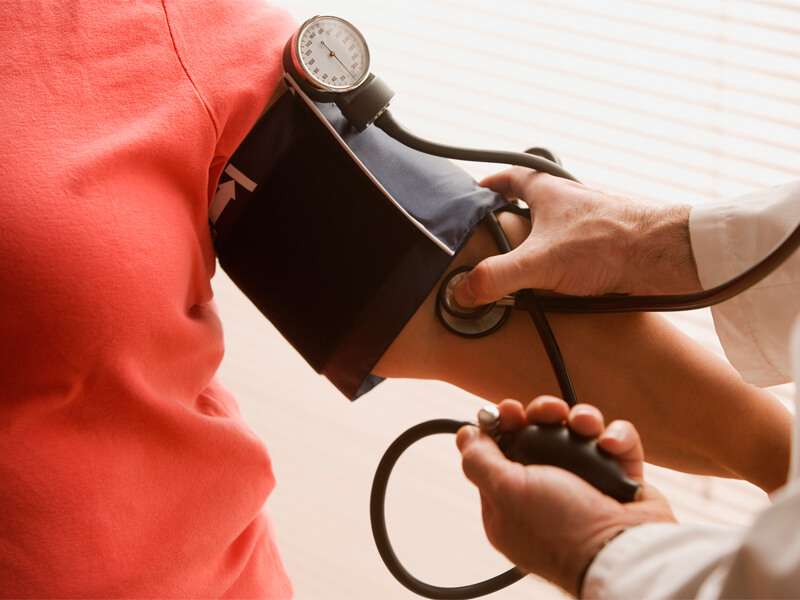
- Diagnosis: Blood pressure readings are taken using a sphygmomanometer; monitoring over time helps confirm diagnosis.
- Treatment/Management: Lifestyle changes such as diet and exercise are first-line treatments, with medications like diuretics or ACE inhibitors introduced as necessary.
- What to Expect: Regular follow-ups will be required to keep blood pressure within target ranges and adjust treatment as necessary.
Managing hypertension effectively reduces the risk of heart disease and stroke, promoting overall health and well-being.