
Dr Deepa IVF Gy
About Me
Dr Deepa IVF Gy
MD
Diabetologist
10 Years Experience
Biography
My Clinic
OPD Hours
| Monday | Morning | 10:00 AM | - | 02:00 PM |
| Evening | 06:00 PM | - | 09:00 PM | |
| Tuesday | Morning | 10:00 AM | - | 02:00 PM |
| Evening | 06:00 PM | - | 09:00 PM | |
| Wednesday | Morning | 10:00 AM | - | 02:00 PM |
| Evening | 06:00 PM | - | 09:00 PM | |
| Thursday | Morning | 10:00 AM | - | 02:00 PM |
| Evening | 06:00 PM | - | 09:00 PM | |
| Friday | Morning | 10:00 AM | - | 02:00 PM |
| Evening | 06:00 PM | - | 09:00 PM | |
| Saturday | Morning | 10:00 AM | - | 02:00 PM |
| Evening | 06:00 PM | - | 09:00 PM | |
| Sunday | Morning | 10:00 AM | - | 02:00 PM |
| Evening | 06:00 PM | - | 09:00 PM |
Treatments
Specialised care and treatments offered
LIFESTYLE MODIFICATION PROGRAMS

Lifestyle modification programs focus on encouraging healthier habits among individuals at risk for developing diabetes. These programs guide participants through actions aimed at reducing weight gain while promoting physical activity which collectively enhances metabolic health).
- Risk Factors : Obesity sedentary behaviors contribute significantly towards heightened diabetes risk thus making these programs crucial.
- Assessment Methods : Initial assessments identify personal goals alongside tailored strategies focusing upon attainable results regarding abstaining bad habits (e.g., smoking).
- Supportive Environment : Group sessions foster community support allowing participants exchanging experiences & learning from each other’s successes or challenges encouraging consistent progress
Encouraging transformation through positive habitual changes proves beneficial reducing incidence rates associated with developing full-blown type 2 diabetes diseases moving forward!
DIABETES NUTRITION COUNSELING
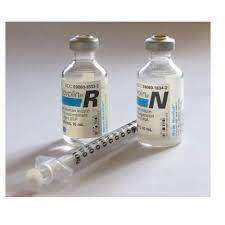
Nutritional counseling plays a pivotal role in managing diabetes effectively. It helps individuals understand how food choices impact their blood sugar levels and overall health. Tailoring diet plans according to individual needs can lead to better glycemic control。
- Key Considerations : Focusing on carbohydrate counting, portion sizes, and balanced meals will provide structure in meal planning.
- Symptoms of Poor Diet : Lack of energy, fluctuating moods, weight gain could be signs indicating dietary adjustments are needed.
- How it's Designed : Each counseling session typically begins with evaluating current eating habits followed by creating personalized strategies that fit lifestyle changes.
- Expected Outcomes : Improved knowledge regarding food choices leads not just towards weight management but stabilizes blood sugar levels too.
Ultimately effective nutrition counseling transforms patient lives by enabling empowerment through informed dietary decisions.
CONTINUOUS GLUCOSE MONITORING (CGM)
Continuous Glucose Monitoring (CGM) technology has transformed how patients manage their diabetes. This real-time monitoring system provides valuable insights into glucose trends throughout the day without the need for frequent fingersticks.
- Benefits: CGMs help patients understand their glucose levels better by providing alerts for hypo- or hyperglycemia events before they become severe.
- How it's Used: A small sensor placed under the skin continually measures glucose levels which syncs with a device for easy viewing.
- Treatment Adjustments: Data from CGMs informs necessary adjustments in diet or insulin administration based on real-time readings and trends that users observe over time.
This innovative technology empowers patients by giving them more control over their disease management plan and overall health outcomes.
DIABETES FOOT CARE
Proper foot care is essential for individuals with diabetes to prevent serious complications like infections or amputations. Diabetes can lead to nerve damage and poor circulation in the feet, making monitoring crucial for maintaining foot health.
- Symptoms/Causes: Symptoms may include numbness, tingling sensations, or wounds that do not heal quickly due to reduced blood flow.
- Diagnosis: Routine foot examinations assess sensation and circulation; any foot injury should be evaluated promptly by a healthcare professional.
- Treatment/Management Options: Daily inspection of feet, proper hygiene practices, wearing appropriate footwear all contribute to preventing complications.
- What to Expect: With consistent care and awareness, many complications related to diabetes can be effectively managed or avoided altogether.
The importance of education around foot care cannot be overstated for anyone living with diabetes.
PREDIABETES SCREENING
Screening for prediabetes is vital as it offers an opportunity to prevent the onset of type 2 diabetes. Recognizing risk factors early can lead to lifestyle modifications that have lasting effects on health.
- Symptoms/Causes: Often asymptomatic, risk factors include obesity, sedentary lifestyle, and family history.
- How it's Diagnosed: Fasting blood sugar tests or glucose tolerance tests identify elevated glucose levels indicative of prediabetes.
- Treatment/Management Options: Targeted lifestyle changes such as improved diet and increased physical activity are recommended to lower blood sugar levels.
- What to Expect: Regular follow-up screenings help monitor progress and ensure that individuals stay within healthy limits.
The proactive approach in screening can significantly reduce the risk of progressing to type 2 diabetes.
TYPE 1 DIABETES MANAGEMENT
Type 1 diabetes is a chronic condition where the pancreas produces little or no insulin. This autoimmune disorder primarily affects children and young adults, requiring lifelong management. Understanding this condition helps in effective control and prevention of complications.
- Symptoms: Increased thirst, frequent urination, extreme fatigue, and blurred vision are common signs.
- Diagnosis: Blood tests measuring glucose levels confirm the diagnosis, often including an A1C test to gauge long-term control.
- Treatment/Management: Lifelong insulin therapy is essential, along with regular monitoring of blood glucose levels and dietary adjustments.
- What to Expect: With proper management, individuals can lead active lives while minimizing complications.
Effective education on diabetes management plays a crucial role in achieving optimal health outcomes for those diagnosed.