
Dr Deepa Kanchankoti
About Me
Dr Deepa Kanchankoti
Dermatologist
Biography
My Clinic
OPD Hours
| Tuesday | Morning | 10:00 AM | - | 02:00 PM |
| Evening | 06:00 PM | - | 09:00 PM | |
| Wednesday | Morning | 10:00 AM | - | 02:00 PM |
| Evening | 06:00 PM | - | 09:00 PM | |
| Thursday | Morning | 10:00 AM | - | 02:00 PM |
| Evening | 06:00 PM | - | 09:00 PM | |
| Friday | Morning | 10:00 AM | - | 02:00 PM |
| Evening | 06:00 PM | - | 09:00 PM | |
| Saturday | Morning | 10:00 AM | - | 02:00 PM |
| Evening | 06:00 PM | - | 09:00 PM | |
| Sunday | Morning | 10:00 AM | - | 02:00 PM |
| Evening | 06:00 PM | - | 09:00 PM | |
| Thursday | Morning | 10:00 AM | - | 02:00 PM |
| Evening | 06:00 PM | - | 09:00 PM |
Treatments
Specialised care and treatments offered
MELASMA
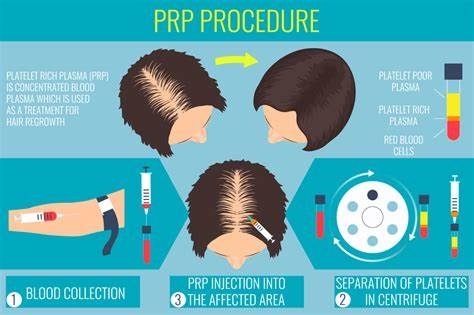
Melasma is a common pigmentary disorder primarily affecting women during their reproductive years. Characterized by brown patches appearing mainly on the face due largely to hormonal changes related to pregnancy or contraceptives; understanding it aids effective management strategies!
- Symptoms present as symmetric brownish discoloration often found across cheeks forehead temples bridge nose.
- Diagnosis typically involves visual assessment by a qualified dermatologist who considers medical history.
- Management approaches might include topical agents like hydroquinone retinoids combined with sun protection measures.
- Avoiding sun exposure plays an essential role alongside treating melasma effectively preventing recurrence later!
Raising awareness around this condition encourages proactive treatment addressing worries regarding aesthetics empowering affected individuals!
ROSACEA
Rosacea is a chronic facial skin disorder that commonly causes redness across the nose and cheeks. Many patients experience flushing followed by persistent redness over time without appropriate care interventions.
- Main symptoms include facial redness, visible blood vessels, bumps resembling acne, and sensitivity to skincare products
- A dermatologist usually diagnoses rosacea based on clinical assessment alone without laboratory tests needed most times.
- Treatment aims at reducing inflammation with topical agents but may require prescription medications for moderate-to-severe cases.
- Certain lifestyle choices (like avoiding trigger foods) reduce flare-ups while maintaining healthier complexion overall.
Being informed about rosacea helps patients develop coping strategies while enhancing quality of life through tailored skincare regimens!
SKIN CANCER SCREENING
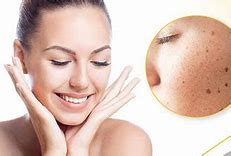
Regular skin cancer screenings are vital for early detection and treatment. Skin cancers such as melanoma can be life-threatening if not caught early enough.
- The primary warning signs include new moles or changes in existing moles—such as shape or color alterations.
- Dermatologists perform thorough examinations using dermatoscopes to identify suspicious lesions accurately.
- If necessary, biopsies may be performed for further analysis of questionable areas on the skin's surface.
- Treatment usually involves surgical removal; however, additional therapies may be required depending on cancer type.
Staying vigilant about your skin health increases your chances of successful treatment outcomes from potential malignancies!
PSORIASIS
Psoriasis is an autoimmune disorder that leads to rapid skin cell proliferation resulting in thickened red patches covered with silvery scales. This chronic disease requires continuous management for alleviation of symptoms.
- It may present as raised plaques on elbows, knees, or scalp accompanied by itching or discomfort.
- A healthcare provider diagnoses this through physical examination and sometimes skin biopsy for confirmation.
- Treatment options range from topical treatments to systemic medications based on severity.
- Lifestyle modifications like stress reduction are integral to controlling flare-ups.
- Your care plan will likely involve monitoring for associated conditions such as arthritis.
Effective communication about your symptoms can lead to better management strategies for psoriasis over time.
ECZEMA
Eczema is a chronic inflammatory skin condition characterized by itchy, red patches. It can significantly affect the quality of life if left untreated.
- Common symptoms include dryness, redness, swelling, and intense itching.
- This condition is diagnosed through clinical evaluation and patient interviews regarding family history.
- Treatment options include moisturizing ointments and corticosteroids to reduce inflammation.
- Avoiding known triggers such as certain fabrics or soaps plays a crucial role in management.
- Patients may experience flare-ups but can learn to manage their condition effectively with proper care.
Understanding eczema helps individuals cope better with the condition and reduces its frequency of flare-ups.
ACNE
Acne is a common skin condition that affects individuals of all ages, often starting in the teenage years. It occurs when hair follicles become clogged with oil and dead skin cells, leading to various types of pimples.
- Symptoms include blackheads, whiteheads, papules, pustules, and cysts.
- The condition is typically diagnosed through visual examination and patient history.
- Treatment may involve topical medications, oral antibiotics, or hormonal therapies depending on severity.
- Regular skincare routines and lifestyle adjustments can aid in managing acne effectively.
- With proper treatment, long-term scarring can often be prevented.
Early intervention is key in managing acne and minimizing its impact on self-esteem and quality of life.