
Dr Deepak C Bhatt
About Me
Dr Deepak C Bhatt
Cardiologist
Biography
My Clinic
OPD Hours
| Tuesday | Morning | 10:00 AM | - | 02:00 PM |
| Evening | 06:00 PM | - | 09:00 PM | |
| Wednesday | Morning | 10:00 AM | - | 02:00 PM |
| Evening | 06:00 PM | - | 09:00 PM | |
| Thursday | Morning | 10:00 AM | - | 02:00 PM |
| Evening | 06:00 PM | - | 09:00 PM | |
| Friday | Morning | 10:00 AM | - | 02:00 PM |
| Evening | 06:00 PM | - | 09:00 PM | |
| Saturday | Morning | 10:00 AM | - | 02:00 PM |
| Evening | 06:00 PM | - | 09:00 PM | |
| Sunday | Morning | 10:00 AM | - | 02:00 PM |
| Evening | 06:00 PM | - | 09:00 PM | |
| Thursday | Morning | 10:00 AM | - | 02:00 PM |
| Evening | 06:00 PM | - | 09:00 PM |
Treatments
Specialised care and treatments offered
CHOLESTEROL MANAGEMENT

The management of high cholesterol levels is critical in reducing cardiovascular risks such as heart disease and stroke. It's essential to maintain healthy lipid profiles through comprehensive care strategies.
- Elevated cholesterol usually presents no noticeable symptoms; thus testing becomes necessary after certain age benchmarks or risk factors being present.
- Diagnosis relies upon blood tests measuring different types—HDL (good cholesterol) versus LDL (bad cholesterol).
- Lifestyle changes focusing on diet modification coupled with statins represent common treatment methods available today tailored towards achieving optimal lipid balance effectively.
- Routine check-ups ensure successful pharmacotherapy continues working while any adverse reactions can be promptly addressed as needed.
By engaging actively in managing your cholesterol levels through healthy choices alongside medical guidance helps protect long-term cardiovascular health overall!
HYPERTENSION MANAGEMENT
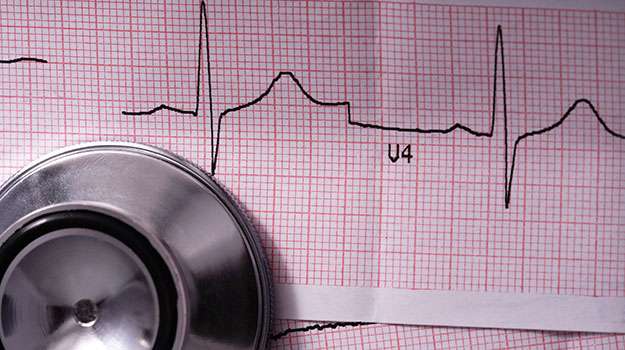
Effective management of hypertension (high blood pressure) is essential for preventing serious cardiovascular conditions. Understanding your blood pressure readings plays an important role in this endeavor.
- Main symptoms, although often asymptomatic, may include headaches or nosebleeds in severe cases; hence regular checks are crucial for detection.
- Diagnosing hypertension typically involves repeated measurements over several appointments to confirm elevated readings.
- Treatment strategies consist of lifestyle adjustments combined with medications aimed at lowering blood pressure levels safely without excessive side effects.
- Regular follow-ups help ensure treatment adherence while managing potential complications swiftly if they arise.
Successfully controlling hypertension reduces risks associated with heart attacks and stroke significantly over time.
HEART FAILURE MANAGEMENT
Heart failure is a chronic condition where the heart struggles to pump sufficient blood. A structured management plan is vital for maintaining quality of life and preventing exacerbations.
- The main symptoms include dyspnea (shortness of breath), fatigue even with minimal exertion, and edema (swelling) in legs or abdomen.
- A comprehensive evaluation including echocardiograms aids in diagnosing the specific type of heart failure present.
- Treatment may encompass medications such as diuretics or ACE inhibitors along with lifestyle interventions like diet changes and exercise plans tailored for individual needs.
- Regular monitoring plays an important role in ensuring that treatment remains effective based on symptom progression.
Ongoing collaboration between patients and healthcare providers leads to improved outcomes and enhanced well-being.
PERIPHERAL ARTERY DISEASE (PAD) TREATMENT
PAD occurs when narrowed arteries reduce blood flow to the limbs. Addressing this condition is crucial for preventing complications such as severe pain and mobility issues.
- Key symptoms include leg cramps during exertion, coldness in the lower leg or foot, and non-healing sores on toes or feet.
- A thorough physical exam along with Doppler ultrasound is used for diagnosis to assess blood circulation in peripheral arteries.
- Treatment primarily focuses on lifestyle modifications alongside medications; severe cases might require angioplasty or bypass surgery to restore blood flow.
- Patients undergoing these treatments can expect significant improvements in mobility and decreased pain levels over time.
Catching PAD early can lead to more effective management strategies and better long-term outcomes.
ATRIAL FIBRILLATION ABLATION
Atrial fibrillation (AFib) ablation is a targeted approach that helps correct irregular heart rhythms caused by AFib. This procedure can effectively restore a normal heart rhythm for many patients.
- Common symptoms include palpitations, dizziness, and fatigue.
- A diagnosis is typically made through an ECG or Holter monitor that captures irregular heartbeats over time.
- Treatment options may range from medication adjustments to catheter ablation procedures that destroy problem areas in the heart's electrical pathways.
- The ablation process involves threading catheters through blood vessels to the heart while monitoring for arrhythmias.
- Post-procedure recovery usually involves monitoring in a hospital setting before returning home on a modified activity plan.
This intervention can greatly improve symptoms and prevent complications associated with AFib.
CORONARY ANGIOPLASTY
Coronary angioplasty is a minimally invasive procedure aimed at treating blocked coronary arteries. This technique is essential for restoring proper blood flow to the heart muscle.
- Symptoms of coronary artery disease may include chest pain, shortness of breath, and fatigue during exertion.
- The diagnosis often involves a combination of physical examination, imaging tests such as angiograms, and stress tests.
- Treatment typically includes lifestyle changes, medications, and in some cases, procedures like angioplasty or stenting.
- During angioplasty, a small balloon is inflated at the site of the blockage to widen the artery.
- Patients generally experience an improved quality of life post-procedure with regular follow-up care.
This procedure can significantly reduce the risk of heart attack and enhance overall cardiac health.