
Dr Deepak Chaturvedi
About Me
Dr Deepak Chaturvedi
Internal Medicine
Biography
My Clinic
OPD Hours
| Tuesday | Morning | 10:00 AM | - | 02:00 PM |
| Evening | 06:00 PM | - | 09:00 PM | |
| Wednesday | Morning | 10:00 AM | - | 02:00 PM |
| Evening | 06:00 PM | - | 09:00 PM | |
| Thursday | Morning | 10:00 AM | - | 02:00 PM |
| Evening | 06:00 PM | - | 09:00 PM | |
| Friday | Morning | 10:00 AM | - | 02:00 PM |
| Evening | 06:00 PM | - | 09:00 PM | |
| Saturday | Morning | 10:00 AM | - | 02:00 PM |
| Evening | 06:00 PM | - | 09:00 PM | |
| Sunday | Morning | 10:00 AM | - | 02:00 PM |
| Evening | 06:00 PM | - | 09:00 PM | |
| Thursday | Morning | 10:00 AM | - | 02:00 PM |
| Evening | 06:00 PM | - | 09:00 PM |
Treatments
Specialised care and treatments offered
GASTROESOPHAGEAL REFLUX DISEASE (GERD)
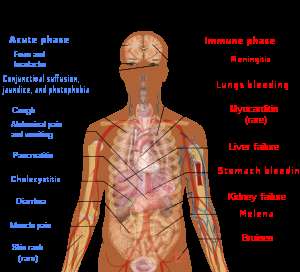
This digestive disorder occurs when stomach acid frequently flows back into the esophagus causing irritation leading potentially severe discomfort over time. Recognizing early signs aids timely intervention allowing patients relief from persistent symptoms improving their overall well-being substantially throughout ongoing periods ahead .
'ASTHMA MANAGEMENT
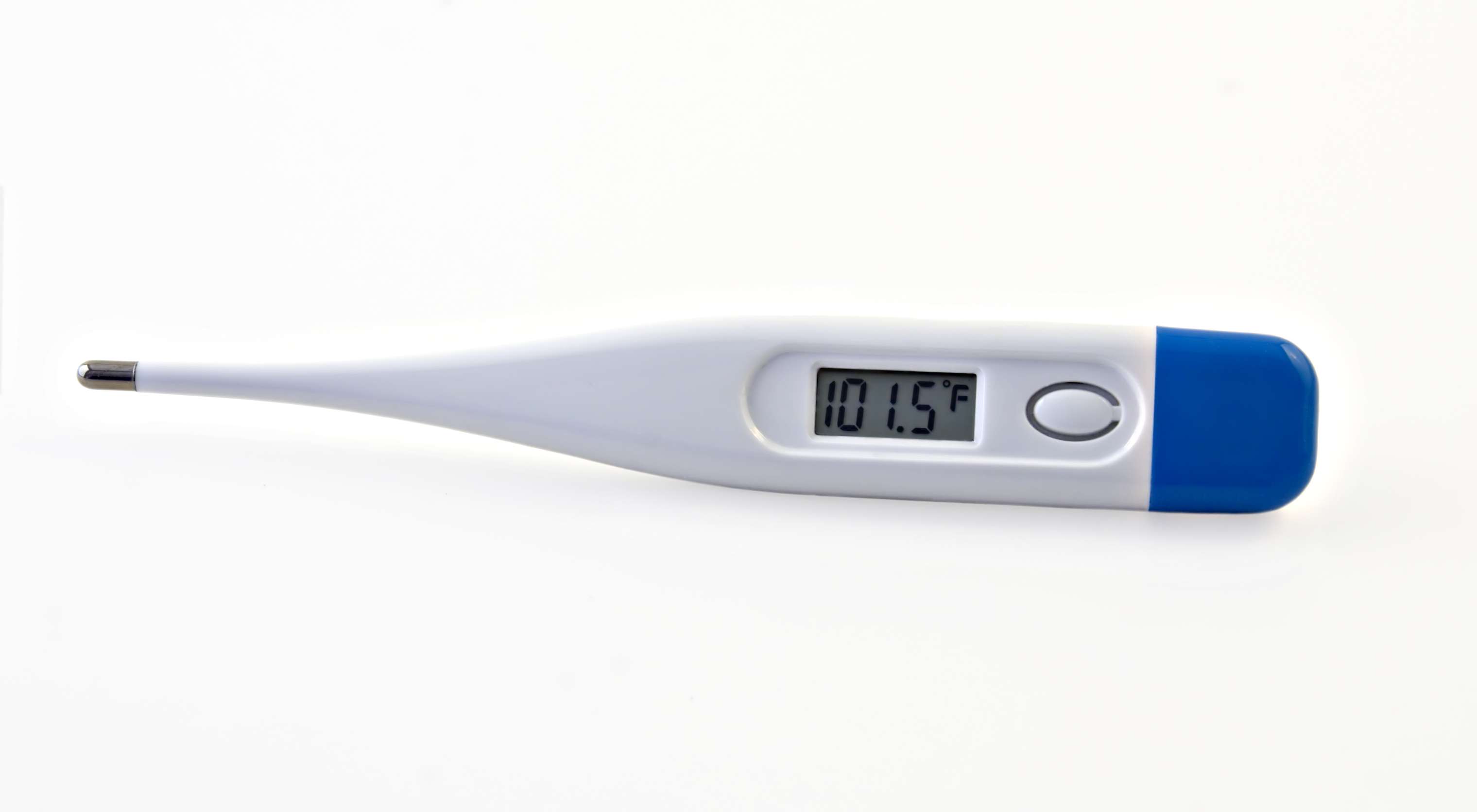
Asthma is a chronic respiratory condition characterized by inflammation of the airways leading to breathing difficulties. Effective asthma management helps minimize symptoms and prevent attacks allowing affected individuals an improved quality of life without severe limitations on daily activities.
- Symptoms may vary widely including wheezing, coughing particularly at night or early morning along with chest tightness affecting various age groups differently based on triggers identified during medical assessment including allergens or environmental factors encountered frequently in urban areas like Mumbai.'
Through consistent care regimens patients attain greater self-efficacy managing their asthma effectively empowering them further towards healthier lifestyles.'
OBESITY MANAGEMENT
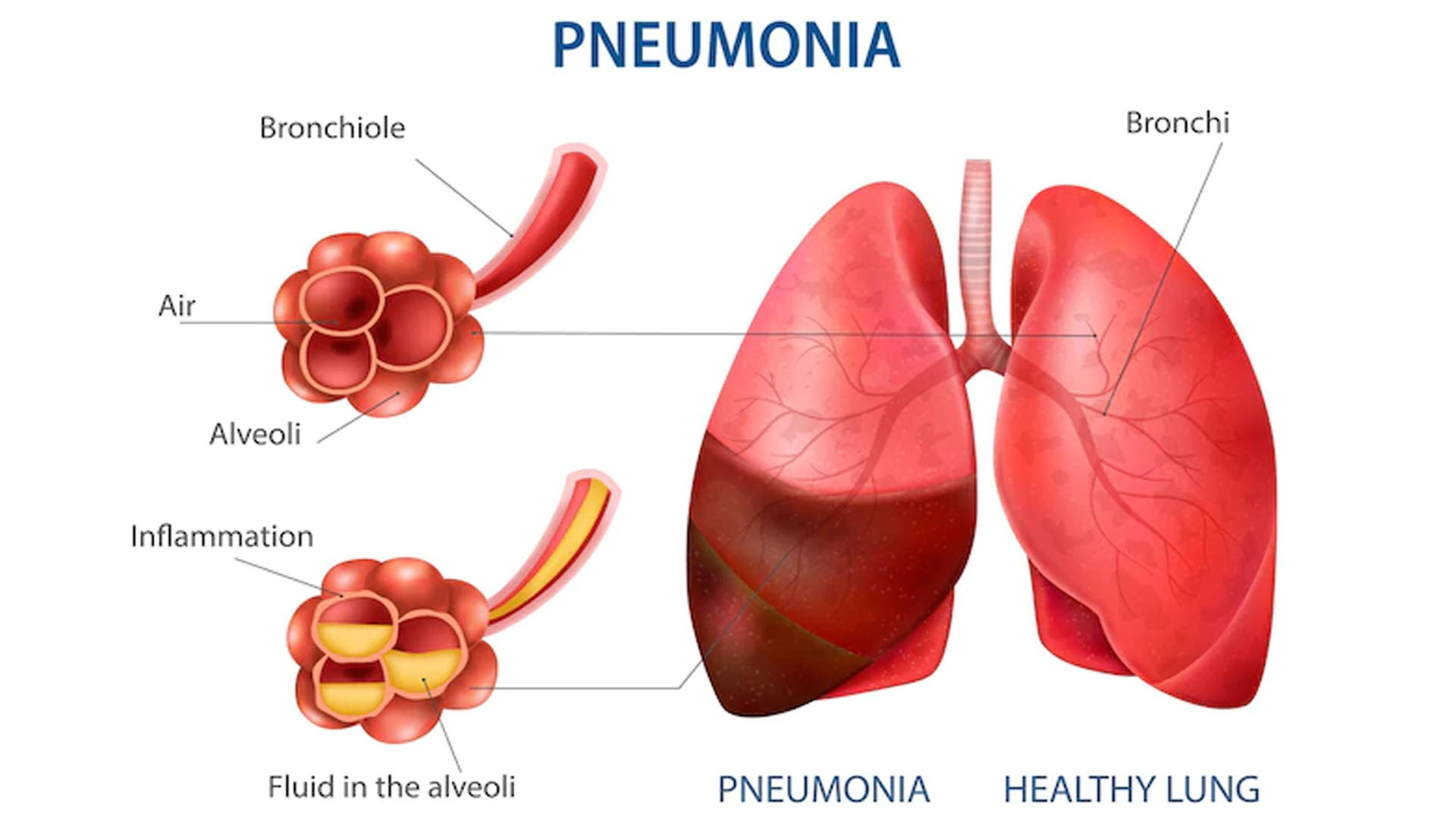
Obesity is defined as having an excessive amount of body fat which poses significant health risks including diabetes, cardiovascular diseases among others. Addressing obesity requires a multifaceted approach targeting lifestyle choices conducive for weight reduction.
- Common contributing factors are poor diet choices, sedentary behavior, emotional eating patterns along with genetic predispositions affecting metabolism.
- A thorough evaluation includes measuring Body Mass Index (BMI) alongside assessing other health indicators relevant to each individual's situation.
- Treatment strategies consist of tailored nutritional plans focusing on portion control complemented by increased physical activity; behavioral therapy can also play a critical role in sustaining long-term change.
- Pursuing gradual weight loss under professional supervision remains key; regular monitoring helps ensure progress while avoiding plateau effects.
Achieving healthier weights significantly improves overall well-being enhancing quality of life for individuals struggling with obesity issues.
CHOLESTEROL MANAGEMENT
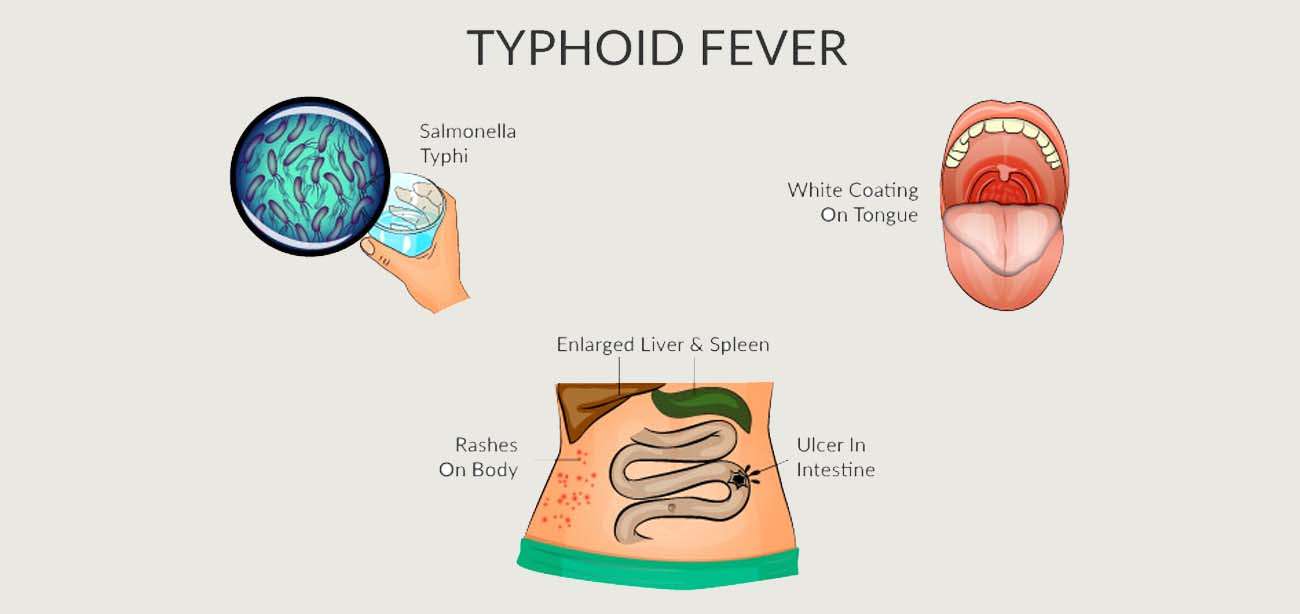
High cholesterol levels can significantly increase the risk of heart disease and stroke. Understanding how to manage cholesterol is vital for long-term cardiovascular health. Many factors contribute to cholesterol levels that can be modified through lifestyle adjustments.
- Main causes include an unhealthy diet rich in saturated fats, lack of physical activity, obesity, genetics, and certain medical conditions.
- A lipid panel test measures cholesterol levels to evaluate risks associated with heart disease.
- Management largely relies on making dietary changes (such as increasing fiber intake), engaging in regular physical activity, maintaining a healthy weight, and possibly taking prescribed medications known as statins if lifestyle changes alone are insufficient.
- Cultivating healthy habits can lead to improvements which your healthcare provider will monitor during follow-up visits.
The goal is to maintain balanced lipid profiles for optimal heart health accessing personalized support when needed.
DIABETES MANAGEMENT
Diabetes is a metabolic disorder characterized by elevated blood sugar levels due to insulin resistance or insufficient insulin production. Managing this condition requires a comprehensive approach integrating both medical treatment and lifestyle modifications.
- Symptoms include frequent urination, excessive thirst, fatigue, and blurred vision. Early detection is essential to prevent complications.
- Diagnosis involves blood tests including fasting glucose and HbA1c levels to assess long-term blood sugar control.
- Treatment focuses on dietary changes like carbohydrate counting, physical activity, medication adherence (oral or injectable), and regular monitoring of blood glucose levels.
- Patiens should engage in routine check-ups to adjust their management plan based on their changing needs.
A proactive approach ensures better control over diabetes and minimizes the risk of complications.
HYPERTENSION
Hypertension, commonly referred to as high blood pressure, is a chronic condition that can lead to serious health issues if left untreated. It often develops over many years and can affect anyone. Understanding its implications is crucial for effective management.
- Common symptoms may include headaches, shortness of breath, or nosebleeds, but often there are no visible signs.
- It is diagnosed through regular blood pressure monitoring and assessments to identify underlying causes.
- Treatment options primarily focus on lifestyle changes such as a balanced diet, regular exercise, and stress management, alongside medications when necessary.
- Patients should expect regular follow-ups to monitor their blood pressure and make adjustments in treatment plans as needed.
With proper management, individuals can live normal lives while effectively controlling hypertension.