
Dr Deepak Gupta
About Me
Dr Deepak Gupta
MBBS
General Physician
10 Years Experience
Biography
My Clinic
OPD Hours
| Monday | Morning | 10:00 AM | - | 02:00 PM |
| Evening | 06:00 PM | - | 09:00 PM | |
| Tuesday | Morning | 10:00 AM | - | 02:00 PM |
| Evening | 06:00 PM | - | 09:00 PM | |
| Wednesday | Morning | 10:00 AM | - | 02:00 PM |
| Evening | 06:00 PM | - | 09:00 PM | |
| Thursday | Morning | 10:00 AM | - | 02:00 PM |
| Evening | 06:00 PM | - | 09:00 PM | |
| Friday | Morning | 10:00 AM | - | 02:00 PM |
| Evening | 06:00 PM | - | 09:00 PM | |
| Saturday | Morning | 10:00 AM | - | 02:00 PM |
| Evening | 06:00 PM | - | 09:00 PM | |
| Sunday | Morning | 10:00 AM | - | 02:00 PM |
| Evening | 06:00 PM | - | 09:00 PM |
Treatments
Specialised care and treatments offered
ANEMIA EVALUATION & TREATMENT
Anemia represents a decrease in red blood cells or hemoglobin affecting oxygen delivery throughout the body. Identifying underlying causes is essential for targeted therapy.
- Signs & Causes: Fatigue, pallor are classic manifestations; nutritional deficiencies (iron,B12), chronic diseases cause most cases.
- Diagnostic Workup: Complete blood count (CBC), peripheral smear examination help determine anemia type guiding further testing.
- Treatment Strategies: Addressing deficiency through supplements or managing chronic illness ensures correction; dietary counseling supports long term prevention.
- Follow-Up: Regular monitoring checks response adequacy preventing recurrence or complications like cardiac strain.
Timely diagnosis coupled with appropriate management enables restoration of vitality improving everyday functioning significantly.
GASTROESOPHAGEAL REFLUX DISEASE (GERD) MANAGEMENT

The backward flow of stomach acid into the esophagus leads to discomfort known as GERD. Understanding triggers helps in effective control of this digestive issue.
- Main Symptoms & Causes:: Heartburn, regurgitation are hallmark signs; factors include diet choices, obesity, hiatal hernia contributing to lower esophageal sphincter dysfunction.
- Evaluation Methods:: Diagnosis mainly clinical but may involve endoscopy for persistent or complicated cases to exclude ulcers or Barrett’s esophagus.
- Treatment Options:: Lifestyle changes such as weight loss and dietary modifications along with antacids or proton pump inhibitors form first-line therapy protocols.
Diligent adherence to recommended interventions usually results in significant symptom relief and prevention of potential esophageal damage over time.
HYPOTHYROIDISM TREATMENT

This endocrine disorder occurs when the thyroid gland underproduces hormones essential for metabolism regulation. Early intervention prevents systemic effects.
- Causative Factors & Symptoms: Common causes include autoimmune thyroiditis; symptoms may include fatigue, weight gain, cold intolerance, dry skin.
- Evidential Diagnosis: Blood tests measuring TSH (thyroid stimulating hormone) and free T4 confirm hypothyroidism status.
- Therapeutic Plan: Daily oral levothyroxine replacement therapy restores hormone balance effectively when dosed properly.
- Mangement Expectations: Periodic monitoring allows dose adjustments ensuring symptom resolution without side effects like overtreatment-induced hyperthyroidism.
A consistent regimen enables patients to maintain normal metabolism and overall well-being with minimal disruption in daily activities.
CHRONIC OBSTRUCTIVE PULMONARY DISEASE (COPD) SUPPORT
COPD is a progressive lung disease that obstructs airflow and causes breathing difficulties. Early recognition can improve quality of life considerably.
- Symptoms & Risk Factors: Includes chronic cough, sputum production, shortness of breath; smoking remains the leading cause along with environmental exposures.
- Diagnosis Criteria: Lung function tests such as spirometry help determine airflow limitation characteristic of COPD.
- Treatment Modalities: Smoking cessation is critical; bronchodilators, corticosteroids, and pulmonary rehabilitation provide symptom relief.
- Lifestyle Considerations: Patients benefit from vaccination against respiratory infections and avoidance of pollutants to prevent exacerbations.
A comprehensive approach combining medication and lifestyle adjustments can slow disease progression and improve breathing comfort over time.
TYPE 2 DIABETES MELLITUS CARE

Type 2 diabetes is a chronic metabolic disorder characterized by high blood sugar levels due to insulin resistance. Managing this condition is crucial to prevent long-term organ damage.
- Symptoms & Causes: Common signs include increased thirst, frequent urination, fatigue; caused largely by genetic factors combined with obesity and inactivity.
- Diagnosis: Blood tests measuring fasting glucose or HbA1c levels confirm the condition and help guide treatment decisions.
- Treatment Approach: Lifestyle changes such as diet control and exercise are primary; medications including metformin or insulin might be prescribed based on severity.
- Management Goals: Maintaining near-normal blood sugar levels reduces the risk of complications like neuropathy, retinopathy, and cardiovascular disease.
A well-structured care plan focusing on education and routine monitoring helps patients live healthy lives despite diabetes.
HYPERTENSION MANAGEMENT
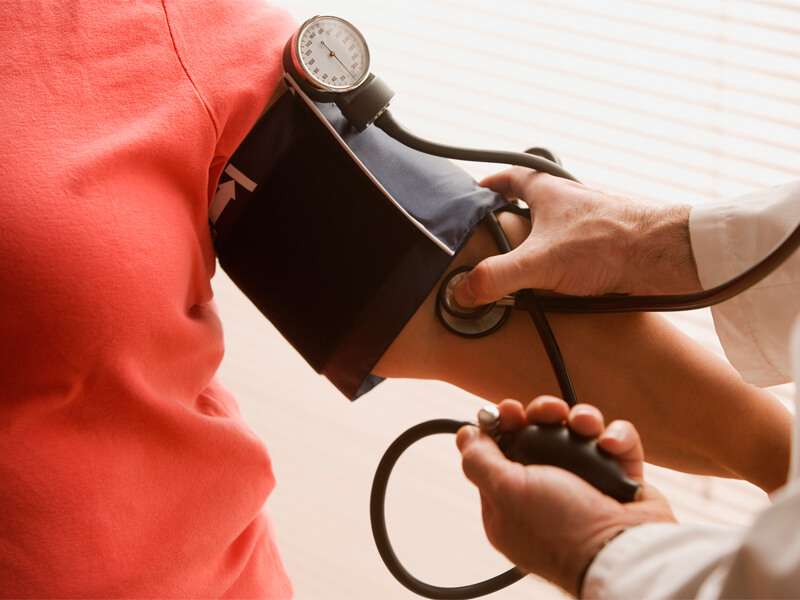
High blood pressure, or hypertension, is a common health condition that can lead to serious complications if not controlled. It often shows no symptoms, making regular screening essential.
- Symptoms and Causes: Often called the "silent killer," hypertension typically has no symptoms but may be influenced by genetics, diet, stress, and lifestyle.
- Diagnosis: Accurate diagnosis involves multiple blood pressure readings over time using a sphygmomanometer and sometimes ambulatory monitoring.
- Treatment options: Lifestyle modifications like reduced salt intake, exercise, and medications such as ACE inhibitors or beta-blockers can effectively manage blood pressure.
- Monitoring: Regular follow-up visits are important to adjust treatment and assess for any complications affecting the heart or kidneys.
With proper management and adherence to treatment plans, individuals can significantly reduce risks associated with hypertension and maintain good cardiovascular health.