
Dr Deepak Gupta
About Me
Dr Deepak Gupta
MD
Oncologist
10 Years Experience
Biography
My Clinic
OPD Hours
| Monday | Morning | 10:00 AM | - | 02:00 PM |
| Evening | 06:00 PM | - | 09:00 PM | |
| Tuesday | Morning | 10:00 AM | - | 02:00 PM |
| Evening | 06:00 PM | - | 09:00 PM | |
| Wednesday | Morning | 10:00 AM | - | 02:00 PM |
| Evening | 06:00 PM | - | 09:00 PM | |
| Thursday | Morning | 10:00 AM | - | 02:00 PM |
| Evening | 06:00 PM | - | 09:00 PM | |
| Friday | Morning | 10:00 AM | - | 02:00 PM |
| Evening | 06:00 PM | - | 09:00 PM | |
| Saturday | Morning | 10:00 AM | - | 02:00 PM |
| Evening | 06:00 PM | - | 09:00 PM | |
| Sunday | Morning | 10:00 AM | - | 02:00 PM |
| Evening | 06:00 PM | - | 09:00 PM |
Treatments
Specialised care and treatments offered
HEMATOLOGIC CANCERS (LEUKEMIA)
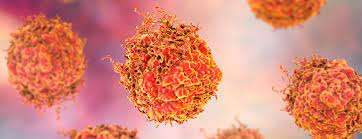
This category includes various types of cancers that affect blood cells—most notably leukemia—which disrupts normal blood production. Its impact varies widely among different demographic groups
.KIDNEY CANCER
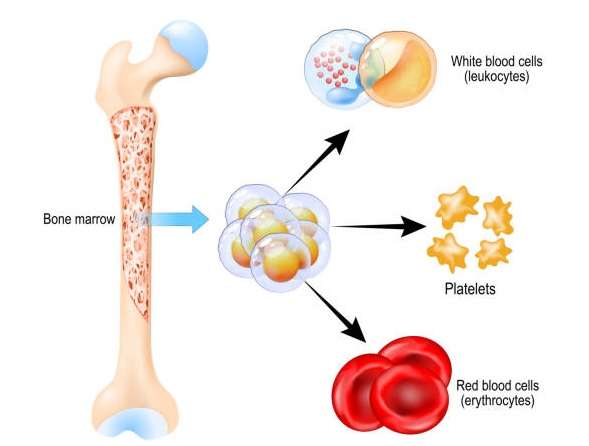
Kidney cancer originates in the kidneys; its incidence has been rising. Understanding risk factors contributes significantly to prevention efforts across various populations.
- Symptoms include: Common signs are blood in urine, persistent back pain on one side, unexplained weight loss, fatigue.
- Diagnostic techniques: Comprehensive imaging studies such as ultrasounds or CT scans assist physicians in confirming kidney tumors' presence.
- Treatments available: Surgery remains a cornerstone approach; other interventions like immunotherapy may be considered based on tumor type and stage.
- Follow-up requirements: Regular follow-ups are critical post-treatment to monitor any recurrence signs effectively.
Proactive awareness about kidney health empowers individuals toward healthier lifestyle choices preventing potential risks associated with kidney malignancies.
PROSTATE CANCER

This form of cancer develops in the prostate gland and tends to grow slowly. Awareness of risk factors like age and family history is crucial for men over 50 years old.
- Symptoms noticed: Commonly reported symptoms include urinary difficulties or blood present in urine or semen.
- Screening methods: Diagnosis might involve PSA blood testing combined with digital rectal exams for thorough assessment.
- Treatment pathways: Treatment options often range from active surveillance to surgery and radiation therapy based on individual circumstances.
- Palliative care considerations: For advanced cases, focus shifts toward enhancing quality of life through palliative care approaches tailored for individual needs.
The key to improving outcomes lies in understanding prostate health and seeking timely medical advice when necessary.
COLORECTAL CANCER
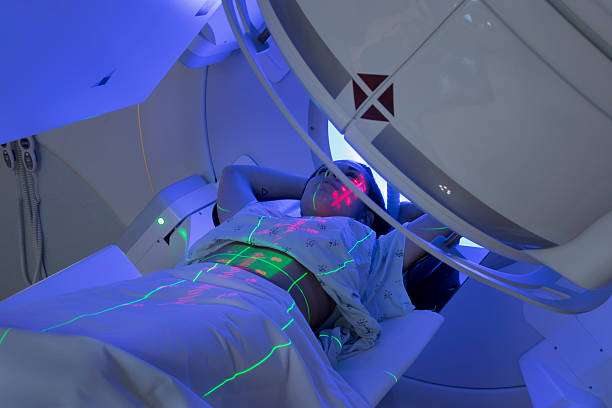
Colorectal cancer arises from polyps forming in the colon or rectum and is often preventable with regular screening. Awareness of risk factors is essential for early intervention.
- Symptoms: Symptoms can include changes in bowel habits, blood in stools, abdominal discomfort or cramping.
- Disease progression: The disease progresses through stages; understanding these stages helps determine appropriate treatment plans.
- Surgical options: Surgery is often a primary treatment option; however, chemotherapy or targeted therapies are common adjuncts for advanced cases.
- Lifestyle modifications: Maintaining a healthy diet and regular exercise could significantly lower risk factors associated with colorectal cancer.
Pursuing regular check-ups facilitates early detection that can save lives by enabling prompt action against colorectal cancer.
LUNG CANCER
Lung cancer is one of the leading causes of cancer-related deaths. It primarily affects smokers but can also occur in non-smokers due to various environmental factors.
- Symptoms: Common symptoms include persistent cough, chest pain, weight loss, and difficulty breathing.
- Diagnosis: Diagnosis often involves X-rays, CT scans, and sputum cytology to identify malignant cells.
- Treatment approaches: Options may range from surgery and radiation to chemotherapy, depending on the type and stage of lung cancer.
- Coping strategies: Supportive care plays a crucial role, providing counseling and resources for lifestyle adjustments post-diagnosis.
A timely response to lung cancer symptoms can lead to more effective treatment outcomes.
BREAST CANCER
Breast cancer is a significant health concern affecting many individuals globally. Early detection and treatment can greatly improve outcomes.
- Symptoms: Symptoms may include a lump in the breast, changes in breast shape or size, and unusual discharge.
- Diagnosis: A diagnosis typically involves imaging tests such as mammograms, along with biopsies to confirm cancer presence.
- Treatment options: Management may include surgery, chemotherapy, radiation therapy, hormone therapy, or targeted therapy depending on the cancer stage.
- What to expect: Patients should expect comprehensive care that addresses not just the physical aspects but also emotional support during their journey.
Understanding breast cancer can empower patients in making informed decisions about their healthcare.