
Dr Deepak J Shinde
About Me
Dr Deepak J Shinde
Cardiologist
Biography
My Clinic
OPD Hours
| Tuesday | Morning | 10:00 AM | - | 02:00 PM |
| Evening | 06:00 PM | - | 09:00 PM | |
| Wednesday | Morning | 10:00 AM | - | 02:00 PM |
| Evening | 06:00 PM | - | 09:00 PM | |
| Thursday | Morning | 10:00 AM | - | 02:00 PM |
| Evening | 06:00 PM | - | 09:00 PM | |
| Friday | Morning | 10:00 AM | - | 02:00 PM |
| Evening | 06:00 PM | - | 09:00 PM | |
| Saturday | Morning | 10:00 AM | - | 02:00 PM |
| Evening | 06:00 PM | - | 09:00 PM | |
| Sunday | Morning | 10:00 AM | - | 02:00 PM |
| Evening | 06:00 PM | - | 09:00 PM | |
| Thursday | Morning | 10:00 AM | - | 02:00 PM |
| Evening | 06:00 PM | - | 09:00 PM |
Treatments
Specialised care and treatments offered
VALVULAR HEART DISEASE

The presence of valvular heart disease indicates problems concerning one or more valves within your circulatory system impacting optimal blood flow dynamics throughout your body.'
- '
- 'SURROUNDINGS CONDITIONS**:*- Valve rigidity/stenosis/calcification signals definitive need assessing possible structural defects directly influencing efficient pumping mechanics whilst symphony featured relaxation phases! '
- 'SIGNATURE SYMPTOMS:**- Unusual exertional dyspnea developed initially accompanied occasionally via palpitations necessitating close examination following initial observations!' DIALECTIC DIAGNOSIS***: Echo assessment tools alongside Doppler ultrasound facilitate visualization effective enough directing corrective surgical strategies necessary managing outlined states successfully!]
- `TREATMENT OPTIONS WITHINCLUSIVE ASPECTS: Interventions available covering surgical placements/transplants designed improving quality performance reliable inspecting anatomy-focused endeavors sustaining movement.`
- `LIFETIME OUTLOOK SOLUTIONS: Transitioning follow-ups aligned past behaviors could greatly prolong prognosis leading healthier everyday living henceforth derived approaches aligned within practice regimens'!`'
HYPERTENSION MANAGEMENT
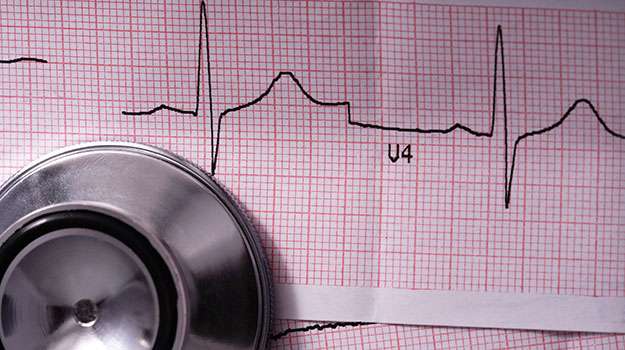
Hypertension (high blood pressure) can significantly increase the risk for various cardiovascular conditions if left unmanaged. Effective control through lifestyle optimization plus appropriate pharmacotherapy is essential for maintaining overall health outcomes.
'- '
- 'Causative Factors:- Diets high in sodium intake coupled with sedentary lifestyles contribute extensively towards elevated BP readings!' '
- '
CORONARY ARTERY DISEASE
Coronary artery disease (CAD) occurs when the coronary arteries become narrowed or blocked due to plaque buildup. This condition restricts blood flow to the heart muscle itself and can lead to serious health issues including heart attacks.
- Causes: Risk factors include high cholesterol levels, poor diet, lack of exercise, smoking, and genetic predisposition among others.
- Symptoms: Many individuals experience chest pain (angina), especially during physical activity; others might feel even mild discomfort during rest periods as disease progresses.
- Treatment options:- Initial management often involves lifestyle changes. Medications such as statins may be prescribed along with possible interventions like angioplasty or bypass surgery in advanced cases.
- Lifestyle changes:- Adopt healthier eating habits along with regular exercise regimes aiming at controlling weight.
Brought about by gradual changes leading up to noticeable symptoms; monitoring risk factors plays a pivotal role in preventing complications down the line!
ATRIAL FIBRILLATION
Atrial fibrillation (AFib) is a common type of arrhythmia characterized by irregular and often rapid heart rate. This condition increases the risk of stroke and other heart complications if not treated appropriately.
- Symptoms: Patients might notice palpitations, dizziness, shortness of breath, or even fatigue without clear explanations for these sensations.
- Diagnosis: An ECG is essential for diagnosing AFib. Holter monitors may also be used to detect irregularities over extended periods.
- Treatment methods: Treatment usually involves rate or rhythm control using medications like anticoagulants or procedures such as cardioversion or ablation in more severe cases.
The goal is restoring normal rhythm while minimizing stroke risk; routine check-ups are vital for ongoing management.
CONGESTIVE HEART FAILURE
Congestive heart failure (CHF) is a chronic condition where the heart struggles to pump blood effectively. This can result from various underlying conditions that increase the workload on the heart.
- Causes: Common causes include coronary artery disease, high blood pressure, and diabetes. It may also develop from previous heart attacks or valve issues.
- Symptoms: Patients may experience fatigue, swollen legs, rapid heartbeat, and difficulty breathing during exertion or while lying flat.
- Diagnosis: Diagnostic tests often include cardiac imaging (like echocardiograms), blood tests, and physical examinations.
- Treatment options: Management typically involves lifestyle modifications along with medications such as diuretics, ACE inhibitors, and beta-blockers.
If managed properly with regular follow-ups, many individuals with CHF lead fulfilling lives with reduced symptoms.
ACUTE MYOCARDIAL INFARCTION
Acute myocardial infarction, commonly referred to as a heart attack, occurs when blood flow to a part of the heart is blocked for an extended period. This blockage can lead to damage or death of heart muscle tissue.
- Symptoms: Common signs include chest pain, shortness of breath, and nausea. Some may experience pain radiating to the arm, jaw, or back.
- Diagnosis: Diagnosis typically involves an electrocardiogram (ECG) and blood tests for cardiac enzymes.
- Treatment: Immediate treatment options include medications like aspirin and thrombolytics, or procedures such as angioplasty to restore blood flow.
- Management: Post-event management includes lifestyle changes and medications to prevent future incidents.
- Prognosis: Early intervention significantly improves outcomes and survival rates.
Recognizing symptoms early can save lives; seeking immediate medical attention is crucial.