
Dr Deepak Jain
About Me
Dr Deepak Jain
MD
Nephrologist
10 Years Experience
Biography
My Clinic
OPD Hours
| Monday | Morning | 10:00 AM | - | 02:00 PM |
| Evening | 06:00 PM | - | 09:00 PM | |
| Tuesday | Morning | 10:00 AM | - | 02:00 PM |
| Evening | 06:00 PM | - | 09:00 PM | |
| Wednesday | Morning | 10:00 AM | - | 02:00 PM |
| Evening | 06:00 PM | - | 09:00 PM | |
| Thursday | Morning | 10:00 AM | - | 02:00 PM |
| Evening | 06:00 PM | - | 09:00 PM | |
| Friday | Morning | 10:00 AM | - | 02:00 PM |
| Evening | 06:00 PM | - | 09:00 PM | |
| Saturday | Morning | 10:00 AM | - | 02:00 PM |
| Evening | 06:00 PM | - | 09:00 PM | |
| Sunday | Morning | 10:00 AM | - | 02:00 PM |
| Evening | 06:00 PM | - | 09:00 PM |
Treatments
Specialised care and treatments offered
GLOMERULONEPHRITIS
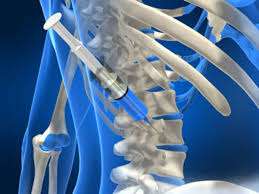
Glomerulonephritis refers to inflammation of the glomeruli — tiny filtering units within your kidneys — leading to impaired kidney function. Ignoring symptoms early on can lead to serious repercussions over time.
Symptoms may include hematuria (blood in urine), edema (swelling), fatigue due to anemia or high blood pressure issues seen frequently among patients.
To diagnose this condition accurately requires careful evaluation through laboratory tests which often reveal abnormal protein levels alongside elevated creatinine values indicating reduced kidney efficiency.
KIDNEY STONES

Kidney stones are hard mineral deposits that form within the kidneys. They can vary in size and may cause severe pain when passing through the urinary tract.
- Symptoms typically include intense pain in the back or side radiating toward the lower abdomen, nausea, or hematuria (blood in urine).
- Diagnosis usually involves imaging techniques such as CT scans or ultrasounds along with urine analysis.
- Treatment options depend on stone size; they range from increased fluid intake for smaller stones to surgical interventions like lithotripsy for larger ones.
- Preventive measures include dietary modifications aimed at reducing crystal formation based on stone composition.
Early intervention can help manage pain effectively while reducing recurrence risks
POLYCYSTIC KIDNEY DISEASE

Polycystic Kidney Disease (PKD) is a genetic disorder characterized by the growth of numerous cysts in the kidneys. This condition often remains asymptomatic until later stages, making awareness important.
- The initial signs might include hypertension and abdominal pain due to cyst enlargement.
- Family history plays a significant role in diagnosis; imaging studies such as ultrasound are frequently used.
- Management includes controlling blood pressure, monitoring kidney function regularly, and addressing symptoms as they arise.
- In some cases where kidney function declines significantly, dialysis or transplantation may become necessary.
Genetic counseling could be beneficial for affected families seeking information about inheritance patterns
URINARY TRACT INFECTION

A Urinary Tract Infection (UTI) affects any part of the urinary system and can cause significant discomfort. Recognizing symptoms early can help prevent complications.
- Typical signs include a burning sensation during urination, frequent urges to urinate, and cloudy urine.
- These infections are diagnosed through urine tests that identify bacteria or white blood cells.
- Treatment generally involves antibiotics tailored to the specific bacteria causing the infection.
- Drinking plenty of fluids can aid in flushing out bacteria from the urinary tract as part of self-care strategies.
- If recurrent UTIs occur, further investigations may be necessary to explore possible anatomical or functional abnormalities in the urinary tract.
A proactive approach can alleviate discomfort and reduce recurrence rates significantly
ACUTE KIDNEY INJURY

Acute Kidney Injury (AKI) occurs rapidly, often within hours or days, and can be life-threatening. Understanding its causes and addressing them promptly is vital.
- This condition may present with symptoms like decreased urine output, confusion, or fluid retention.
- The diagnosis can involve blood tests for creatinine levels along with urinalysis to identify underlying issues.
- Treatment focuses on the underlying cause, with supportive care including hydration and electrolyte management.
- In some cases, medications may be administered to aid kidney recovery or stabilize other organs.
- Monitoring kidney function during recovery is crucial for assessing potential long-term impact.
Timely intervention significantly improves outcomes for patients experiencing AKI.
CHRONIC KIDNEY DISEASE

Chronic Kidney Disease (CKD) is a progressive loss of kidney function over time. It is a serious condition that can lead to various health issues if not properly managed.
- Common symptoms include fatigue, swelling in the legs or ankles, and changes in urination.
- Diagnosis typically involves blood tests to measure creatinine levels and calculate the glomerular filtration rate (GFR).
- Treatment options may include lifestyle modifications, medications to control blood pressure, and dietary adjustments.
- Regular monitoring is essential to assess kidney function and adjust treatment as necessary.
- Patients may also need support in managing complications such as anemia and bone disease.
Early detection and tailored management plans are crucial for slowing disease progression and maintaining quality of life.